























ABSTRACT
Computers (laptops, I-pads or desktops) and mobile phones have become an integral part of our lives and the backbone of corporate and professional life. This has led to many new age health conditions and lifestyle disorders. Awareness and understanding of the multifaceted health impact of screen gadgets and technology is very important especially among the youth. Timely, conscious and simple modifications can go a long way in reducing both short and long-term adverse health effects.
Keywords: Screen, Mobile phones, Computers, Health impact, Posture, Lifestyle, Strain
INTRODUCTION
Computers (laptops, I-pads or desktops) and mobile phones have become an integral part of our lives and the backbone of corporate and professional life. Laptops are also now a part of E-learning in most educational institutes. Life cannot even be imagined without mobile phones today which are one of the most useful gadgets we have today doing multiple functions right from calls, messages, emails, photography, videos, web surfing, downloading documents, social networking, keeping alarms, marking dates, in short, it manages our lives. So, it is not surprising that we spend hours and hours daily looking at digital screens!
In the last 10 years, the amount of daily time spent on smart gadgets (laptops, I-pads, tabs and smartphones) has gone up by 65%!1 The global average is 6 hours a day but for the urban working class, corporate employees and students, it is 8 hours a day or more.2 Here is a glance at the health effects and some related new age diseases so that we become aware of the health impact of constant laptop and mobile use or screen time and inculcate some protective measures timely and appropriately.3
Computer Vision Syndrome (CVS) is now a recognised health issue due to long hours of laptop and desktop use. It is a result of infrequent blinking as well as constant eye and neck muscle strain due to focused staring at screens at a close distance for prolonged periods.4 Symptoms include dry eyes and tiredness, irritation and sometimes redness of the eyes along with blurring of vision or sometimes double vision especially on shifting focus. This may be accompanied by frequent headaches and a tired/strained feeling at the forehead. Too much screen time also causes dark circles under the eyes.
PROTECTIVE MEASURES
Posture
For computers, this starts with the sitting distance and height of the work station. (Figure 1). Keep an arm’s length distance from the screen. While reading, enlarge the screen reading material or choose fonts so that it can be read comfortably at arm’s length, without bending forward or going too close to the screen to read.5 Eyes should be at the level of the top of the screen, so that while working your head is straight and eyes gaze slightly downward. The screen should be tilted slightly backward by about 10-15 degrees. The posture should be such that the head, neck and back are in a straight line. Bending the neck or slouching of the back should be avoided as it can lead to neck pain. The thigh should be parallel to the floor and the knee should be comfortable under the table (not crouched up). The legs should be straight perpendicular to the floor while the feet should rest flat on the floor (not dangle). If one can’t find the chair or table of right height to attain this posture, appropriate chair cushion or laptop rest or foot-rest can be used. The forearm and hand should be aligned in a straight line. If the hand is bent at the wrist it can lead to long term strain and development of the computer wrist (pain in the wrist and fingers and also a loss in firm grip).6 If this isn’t achievable naturally, wrist support can be used.
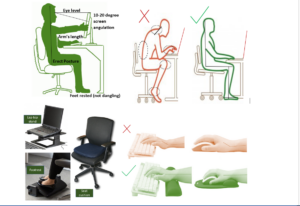
Figure 1 – Posture during Computer Use
While using mobile phones, consideration has to be given to the fact that our heads weigh between 4 to 5 kg but as we angle them down around 15 – 60 degrees to look at our phones, the effective weight on our necks increases to about 12 kg at 30 degrees, rising to 27 kg at 60 degrees! With smartphone users now spending an average of almost 4 – 5 hours a day with their heads dropped down, this results in “700 to 1,400 hours a year of excess stress seen on the cervical spine” and imagine carrying an extra weight of 15-20 kg on your neck for 4-5 hours a day!7 Text neck is the new age disease resulting from this leading to head pain, neck pain and further even arm pain and numbness.8 So, use mobile stands / holders so that head and neck bending can be reduced or avoided.
Do stretching exercises every 20 – 30 minutes by gradually bending the head backward as far as it can go, holding for 5 seconds and gradually coming back to the erect position. Cell phone elbow is a painful and strained elbow due to continuous holding and balancing mobile phones, so using hands-free/ear-phones or speaker-phones could reduce the elbow strain. Constant swiping and texting on screens can lead to pain and stiffness because of the semi-bent or stiff posture of the thumb or finger for many hours.9 Stretch the thumb or finger backward, hold for a few seconds and release, after every few minutes of swiping or texting. Also, perform wrist rotation and finger exercises every half hour of texting or swiping. (Figure 2)
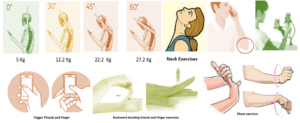
Figure 2 – Posture while using Mobile Phones
Lighting and Eye Comfort
While at work place or home and working on computer screens, the lighting of both screen and room play a role in eye strain (Figure 3).10 The window should be to either side during laptop and computer use and not behind or in front of the screen which can cause glare on the eyes and screen respectively. If this is not naturally the case, put curtains or blinds on the window or rotate the workstation accordingly. Bright lights in the room cause glare on computer screens, which forces one’s eyes to work harder, leading to eye strain and discomfort. To prevent this, position the screen to avoid direct light like sunlight or harsh bright room lighting and use indirect lighting with lights of the room on the ceiling or on the sidewalls and not behind or in front of the screen to cause glare. LED is better than fluorescent lighting. Anti-glare coating on the screen and on spectacles reduces glare and strain. On the other hand, also avoid very dim or dark, surroundings or working in total darkness. Ideally the screen and background lighting should be similar in brightness. Low contrast between text and background increases eye strain. Black text on white background causes the least strain. Avoid reading in moving vehicles especially on rough roads.
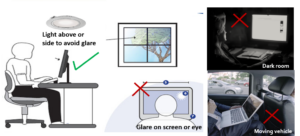
Figure 3 – Lighting and Eye Comfort During Screen Use
Due to constant staring at a screen, there is a significant reduction in the number of times we blink. Blinking is important for the circulation of tears and lubrication of the eyes. Reduced blinking increases tear evaporation and decreases eye lubrication, which leads to dry eyes presenting as tiredness, irritation, redness in the eyes and sometimes blurring of vision.11 So, it is recommended to consciously blink more (like trying to get in the habit of blinking every time you breathe). If already suffering from dry eyes, use a preservative-free tear substitute eye drop for a few days till you train yourself to blink regularly. Frequent headaches and a tired or strained feeling at the forehead occur due to constant eye muscle strain as a result of focused staring at screens at a close distance for prolonged periods. A useful tip is the 20-20-20 break – Every 20 minutes, take a 20-second break and focus on something 20 feet away (usually towards the end of a standard-size room or best look out of the window if there is one) and then close your eyes and rotate the eyes slowly first clockwise 3 times, then anticlockwise 3 times, in 3 sets.12
If symptoms of eye strain continue, visiting an optometrist or an eye doctor to get one’s number tested and wear corrective spectacles if needed helps. One may have to make separate computer glasses, as the distance or near vision (reading) glasses may not give you the best strain-free vision for computers especially if you are over 40 years of age. Anti-glare coating on spectacles, for prolonged computer usage, is useful to reduce glare and strain. Contact lens wearers are more prone to developing computer vision syndrome. They should avoid over-wearing their lenses beyond 6-8 hours of computer use and should also change them according to their recommended longevity. Only preservative-free eye lubricant drops can be used while wearing lenses.
Lifestyle modification
Exercise
Sitting is the new smoking and gadgets like smartphones ensure that we are almost 30 – 40% more sedentary thereby, increasing obesity, stress and increased risk of cardiac and other lifestyle diseases.13 Sitting in the wrong posture continuously can cause strain and pain in the neck, back, wrists, knees and feet. So, every hour, walk, stretch the legs, arms, neck and back. Making half to one hour of physical exercise like brisk walking, cycling, yoga, aerobics or jogging part of your daily routine, is recommended.14
Diet
Diet and hydration are also important factors. Do not eat or have your meals while working on the laptop. This leads to a tendency to chew and enjoy the food less and problems like acidity, gas, constipation and weight gain. The meals should be meals rich in vegetables, fruits, proteins, whole grains and yogurt, with adequate water consumption while working (it helps to set a habit of drinking a glass of water every 1-1.5 hours).
Sleep
40-50% of cell phone users keep their phones next to their bed at night and almost 95% of people regularly use their devices right before bedtime. This can interfere with sleep, as strong and direct artificial light exposure between dusk and bedtime can suppress the release of the sleep-promoting hormone melatonin. This enhances alertness and shifts the body rhythms to a later hour, making it more difficult to fall asleep.15 Avoid bedtime usage of mobile phones. If use is a must, switch to blue light filter mode in display settings after dusk. Your smartphone should not be the last thing you see when you sleep and the first thing you see when you wake up! Cultivate other healthy bedtime habits like reading or listening to music. Do not charge your mobile next to your bed while you are sleeping, never talk on your mobile phone while it is charging and keep your mobile away from your bedside while going to bed.
Mental Health and Stress
Chronic smartphone stress or “Problematic Smartphone Use” (PSU) is now a recognised medical condition, a continuous state of vigilance and restlessness by the most insignificant notifications, along with also feeling tense in the event when notifications or messages from required persons do not come!16 An underestimated but profound impact on mental health is the growing disconnect from people and the emerging social isolation.14 The younger one is, the more is the fear of being consumed by the cyber world, causing mood disorders like depression. Surveys have shown that the average population spends > 5 hours on smartphones daily which is very alarming and worrying. There is an increased risk of smartphone addiction symptoms seen in the population today like restlessness, irritability, anxiety and inability to concentrate without having a mobile phone nearby.17 Addiction to mobile phones can lead to a recognised form of phobia called nomophobia, which is fear or anxiety of not having a working mobile phone (includes loss/unavailability of the phone or connectivity).18 Try allotting a technology-free time daily, which becomes the time to spend with colleagues, family or friends indulging in real-world activities. In children restricting daily usage to under 4 hours is recommended and they should be encouraged to spend more cell phone free time outdoors playing.
Long term risk
Currently, there is no definite evidence nor conclusive research linking mobile phone usage to cancers (particularly brain cancers) in humans, though animal (rat) studies have shown such risk and link.19 However, research is still on to study the long-term effects of gadget exposure. There is also research ongoing to study effects on cognitive function and memory with long-term use of mobile phones.20
CONCLUSION
While screens and gadgets are an integral part of our lives, they should not become our lives and take away from health and real-world joys. Given that these are devices that emit radiation, one has to also weigh the consequences of constant exposure to gadgets versus its benefits. Therefore, only judicious and healthy screen use is the answer with awareness and practice of the right lifestyle, posture, exercises and ways of healthy screen gadget usage.
REFERENCES:
- Goenka I. Analyzing Mobile Data Usage with Statistics. Universal Research Reports. Jul-Sep 2025; 12(3): ISSN: 2348-5612
- Duarte F. Alarming Average Screen Time Statistics (2025). Available from https://explodingtopics.com/blog/screen-time-stats
- Narayanan V. Laptop and Computer use – solutions to reduce adverse health impact. Dr Varsha’s Health Solutions [Internet]. Available from https://drvarsha.com/blog-laptop-and-computer-use-health-impact/
- Kahal F, Al Darra A, Torbey A. Computer vision syndrome: a comprehensive literature review. Future Sci OA. 2025 Dec;11(1):2476923.
- The Ergonomic Equation. Available from https://www.ergotron.com/en-us/ergonomics/ergonomic-equation#
- Robin BL, Papalia S. The Effect of Wrist Rests and Forearm Support during Keyboard and Mouse Use. International Journal of Industrial Ergonomics. May 2004; 33(5):463-472
- Hansraj KK. Assessment of stresses in the cervical spine caused by posture and position of the head. Surg Technol Int. 2014 Nov;25:277-9.
- Tsantili AR, Chrysikos D, Troupis T. Text Neck Syndrome: Disentangling a New Epidemic. Acta Med Acad. 2022 Aug;51(2):123-127. doi: 10.5644/ama2006-124.380.
- Banadaki FD, Rahimian B, Moraveji F, Varmazyar S. The impact of smartphone use duration and posture on the prevalence of hand pain among college students. BMC Musculoskelet Disord. 2024 Jul 23;25(1):574.
- National Research Council (US) Panel on Impact of Video Viewing on Vision of Workers; National Research Council (US) Committee on Vision. Video Displays, Work, and Vision. Washington (DC): National Academies Press (US); 1983. 5, Lighting and Reflections. Available from: https://www.ncbi.nlm.nih.gov/books/NBK216496/
- Akkaya S, Atakan T, Acikalin B, Aksoy S, Ozkurt Y. Effects of long-term computer use on eye dryness. North Clin Istanb. 2018 Aug 8;5(4):319-322.
- Talens-Estarelles C, Cerviño A, García-Lázaro S, Fogelton A, Sheppard A, Wolffsohn JS. The effects of breaks on digital eye strain, dry eye and binocular vision: Testing the 20-20-20 rule. Cont Lens Anterior Eye. 2023 Apr;46(2):101744.
- Brodersen K, Hammami N, Katapally TR. Is excessive smartphone use associated with weight status and self-rated health among youth? A smart platform study. BMC Public Health. 2023 Feb 3;23(1):234.
- Precht LM, Mertens F, Brickau DS, Kramm RJ, Margraf J, Stirnberg J, Brailovskaia J. Engaging in physical activity instead of (over)using the smartphone: An experimental investigation of lifestyle interventions to prevent problematic smartphone use and to promote mental health. Z Gesundh Wiss. 2023 Feb 9:1-19.
- AlShareef SM. The impact of bedtime technology use on sleep quality and excessive daytime sleepiness in adults. Sleep Sci. 2022 Apr-Jun;15(Spec 2):318-327.
- Elamin NO, Almasaad JM, Busaeed RB, Aljafari, DA Muhammed A. Khan MA. Smartphone addiction, stress, and depression among university students. Clinical Epidemiology and Global Health. 2024;25: 101487,
- Jawed B, Suri N, Inam AMH, Iqbal MJ, Khan A. Prevalence of smartphone addiction with sedentary and non sedentary lifestyle and its impact on wrist rom and upper limb function. International Journal of Health Sciences and Research. May 2023; 13(5):185-191.
- Bhattacharya S, Bashar MA, Srivastava A, Singh A. NOMOPHOBIA: NO MObile PHone PhoBIA. J Family Med Prim Care. 2019 Apr;8(4):1297-1300.
- Meena JK, Verma A, Kohli C, Ingle GK. Mobile phone use and possible cancer risk: Current perspectives in India. Indian J Occup Environ Med. 2016 Jan-Apr;20(1):5-9.
- Kancharla K, Kanagaraj S, Gopal C. N. R. Neuropsychological Evaluation of Cognitive Failure and Excessive Smart Phone Use: A Path Model Analysis. Biomed Pharmacol J 2022;15(4).
Chief Editor, The Indian Practitioner and Medical Director, Dr Varsha’s Health Solutions, Mumbai. Email: info@drvarsha.com