




















Can Affordable Tiratricol Bring Hope to Children with Rare Genetic Disorder? Seven children in India living with a rare thyroid-related genetic disorder are set to receive a six-month supply of Tiratricol, a medicine used to treat MCT8 deficiency, through a collaboration between Indian and Dutch doctors, supported by civil society organisations.
Paediatrician Dr Sivaranjani Santosh said the medicine is being imported from the Netherlands through legally approved channels for personal use.
Tiratricol is currently unavailable in India, and its international price could amount to nearly ₹4 crore per patient annually. However, the compounded version available in the Netherlands costs around ₹2.5 lakh per year. Dr Santosh has raised funds to support the children’s treatment and plans to approach the Indian government to explore the availability of generic versions.
Understanding the Rare Genetic Disorder
MCT8 deficiency, also known as Allan–Herndon–Dudley syndrome, is a rare genetic condition that affects the transport of thyroid hormones to the brain. This can disrupt brain development, metabolism and other bodily functions.
One of Dr Santosh’s patients, Arav, is around 20 months old and will require lifelong treatment. Tiratricol, marketed by Swedish pharmaceutical company Egetis Therapeutics, acts as a thyroid hormone receptor agonist and helps manage the condition.
Compounded Medicine Offers an Affordable Alternative
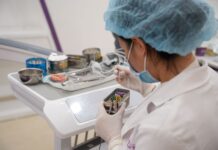
While Tiratricol costs nearly €180 per tablet in Europe, pharmacists in the Netherlands can prepare a compounded version at a significantly lower price.
The Pharmaceutical Accountability Foundation (PAF), along with Universities Allied for Essential Medicines Netherlands, is raising funds to support the children’s treatment. India’s Working Group on Access to Medicines and Treatments has also highlighted the potential of pharmaceutical compounding, a recognised practice in India that remains underutilised.
According to PAF, Tiratricol has been known since 1953 and has been available in France since 1974 for thyroid-related conditions. In 2014, researchers at Erasmus University Medical Center identified its potential for treating MCT8 deficiency through publicly funded research.
However, in 2017, Erasmus MC sold the intellectual property rights associated with the research to Egetis Therapeutics without including a fair-pricing clause in the agreement, PAF said. The organisation noted that the drug costs approximately €441,000 annually in Germany.
Funding Support for Seven Children
PAF has also raised concerns about access to the medicine. The organisation alleged that Egetis conducted a clinical trial in India but declined a subsequent request from Arav’s doctor for compassionate use of the drug.
The estimated cost of one year’s treatment for the seven children is €14,200. So far, supporters in India have raised €5,600, while PAF aims to collect the remaining €8,600 through crowdfunding in the Netherlands.
The collaboration between Indian and Dutch doctors and civil society organisations highlights the importance of affordable access to medicines for children with rare diseases. It also draws attention to the need for fair drug pricing and alternative approaches to making essential treatments accessible.
As reported by thehindubusinessline.com, the initiative highlights how international collaboration and pharmaceutical compounding can help address affordability challenges in rare disease treatment.
The effort also underscores the importance of ensuring that children with rare genetic conditions have access to essential medicines, regardless of their financial circumstances.