






















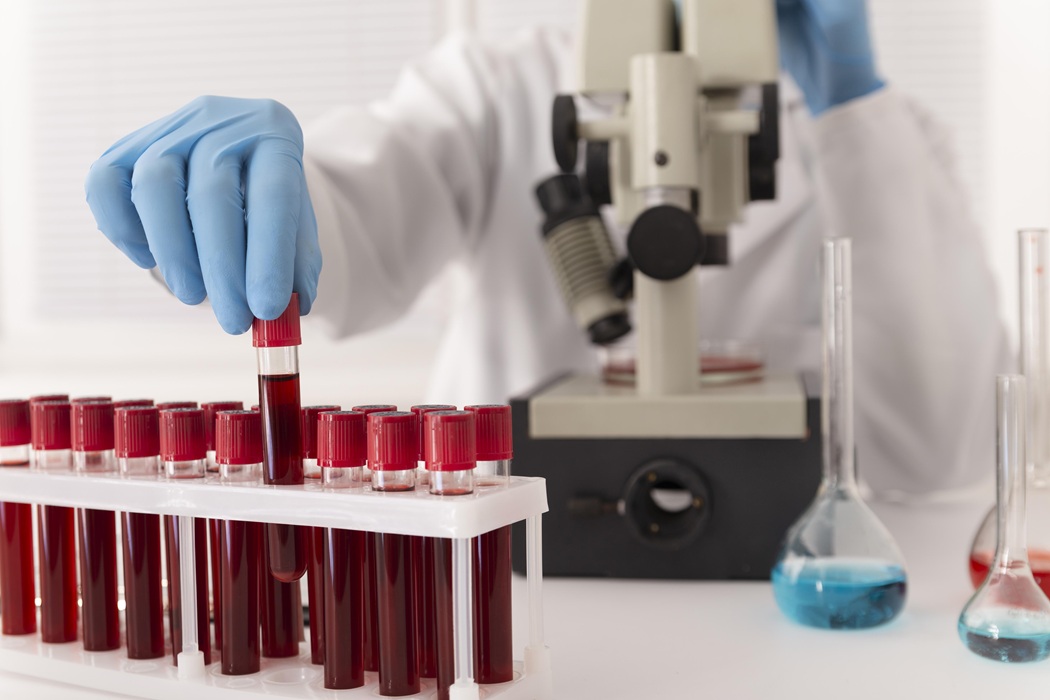
A Breakthrough in Early Cancer Detection
Scientists have identified blood-based warning signals that could predict lung cancer more than five years before a formal diagnosis. This breakthrough could transform cancer screening and improve survival rates by enabling earlier medical intervention. According to a recent study, researchers discovered specific biological markers in blood samples that indicate an increased risk of developing lung cancer years before symptoms appear.
How the Study Was Conducted
Researchers analyzed more than 48,000 blood samples and identified a unique 14-protein signature associated with future lung cancer development. They subsequently validated the findings across multiple international datasets, including groups of non-smokers. The results suggest that these biomarkers can reliably identify individuals who may face a higher risk of lung cancer within the next five years.
As reported by The Times of India, the newly discovered blood signature appears to reflect changes in the lung’s inflammatory environment before cancer develops. Therefore, healthcare professionals may eventually use this information to identify high-risk individuals and introduce preventive measures much earlier than current screening methods allow.
Potential Impact on Cancer Screening
Currently, lung cancer is often diagnosed at advanced stages, limiting treatment options and reducing survival rates. However, this blood-based approach could help doctors detect risk earlier and expand screening beyond traditional high-risk groups, such as long-term smokers. Consequently, more people may benefit from timely monitoring and preventive care.
Looking Ahead
Although additional research and clinical validation are necessary before the test becomes widely available, the findings represent a significant step toward personalized cancer prevention. If future studies confirm these results, blood-based screening could become an important tool in reducing lung cancer-related deaths worldwide.