





















Scientists at the BRIC–Rajiv Gandhi Centre for Biotechnology (BRIC-RGCB) have uncovered new insights into the complex mechanisms that govern brain development and the lifelong maintenance of neural stem cells. The findings offer fresh perspectives on how the brain preserves its regenerative capacity and open promising avenues for future therapeutic interventions in neurological disorders.
Strengthening India’s Role in Global Neuroscience Research
Conducted at BRIC-RGCB, the study also highlights India’s growing contribution to cutting-edge global scientific research. By addressing fundamental questions in neuroscience, the work reinforces the country’s commitment to advancing knowledge of the human brain and its developmental biology.
Publication in a Prestigious Scientific Journal
As per the press release, the groundbreaking findings have been published in the Proceedings of the National Academy of Sciences (PNAS), one of the world’s most cited and influential multidisciplinary scientific journals. Publication in PNAS underscores the global relevance and scientific rigor of the research.
Discovery of a Previously Unknown Neural Stem Cell Type
Led by Dr. Jackson James, Principal Investigator at BRIC-RGCB, the study identifies and characterises a previously unknown population of neural stem cells that plays a critical role in both brain development and long-term neural maintenance.
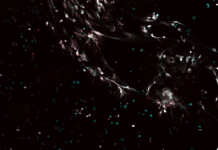
Specifically, the researchers describe Notch-independent Hes-1–expressing neural stem cells (NIHes1 NSCs) as a distinct and functionally important stem cell population. Unlike conventional neural stem cells, these cells operate independently of traditional Notch signalling, challenging long-standing assumptions about neural stem cell homogeneity.
Implications for Neurogenesis and Therapeutic Innovation
Commenting on the findings, Dr. James said, “Our study significantly advances the understanding of how the brain develops and sustains its regenerative potential. The discovery of Notch-independent Hes1-expressing neural stem cells and their essential roles in both embryonic and adult neurogenesis opens new possibilities for therapeutic strategies in neurological conditions.”
By revealing alternative regulatory pathways in neural stem cell function, the study lays the groundwork for innovative approaches to treating neurodegenerative diseases and brain injuries.
Advanced Techniques Drive Scientific Discovery
To achieve these insights, the research team employed state-of-the-art methodologies, including single-cell transcriptomics and conditional knockout mouse models. These advanced techniques enabled precise identification and functional characterisation of the newly discovered neural stem cell population.
Together, these findings mark a significant step forward in neuroscience research and deepen scientific understanding of the cellular diversity that underpins brain development and lifelong neural regeneration.