






















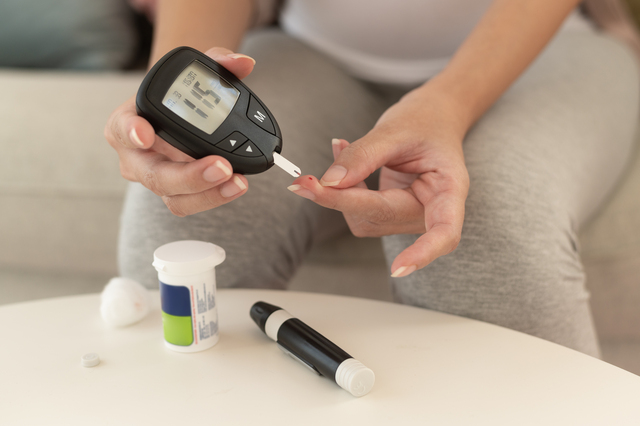
People with type 2 diabetes may face different health risks depending on their sex, according to a study published on August 25 in the open-access journal PLOS Medicine. Researchers led by Fabiola Eto of Queen Mary University of London found that women were more likely to develop mental health conditions, while men faced higher risks of cardiovascular and kidney complications after a type 2 diabetes diagnosis.
Type 2 Diabetes and Its Growing Global Impact
Type 2 diabetes is a metabolic disorder characterised by elevated blood sugar levels, typically caused by insulin resistance or insufficient insulin production. Globally, the condition affects an estimated 536.6 million people aged 20 to 79, representing around 10.5% of the population. This figure could rise to approximately 700 million by 2045. Type 2 diabetes is associated with several serious complications, including cardiovascular disease, end-stage renal disease, depression and anxiety. However, researchers noted that the way these conditions develop can vary between men and women.
Study Analyses Health Records of More Than 28,000 People
To investigate these differences, Eto and her colleagues analysed anonymised health records of 28,720 people in the UK who developed type 2 diabetes between 2010 and 2020. Men accounted for 62% of the study population, with a median age of 54 at the time of diabetes onset. Women, meanwhile, were generally older when they received their diagnosis. During the years following diagnosis, 39% of participants experienced at least one major health event. However, the timing and progression of these conditions differed significantly between men and women.
Women Show Higher Risk of Mental Health Conditions
The study found that women with type 2 diabetes were more likely to develop mental health conditions following diagnosis. Around 8.1% of women experienced such conditions, compared with 5.3% of men. Women were also more likely to follow health trajectories that ultimately resulted in death. Researchers noted that women used more healthcare services and received more long-term prescriptions on average, which could partly explain the higher rate of recorded diagnoses.
Men Face Greater Cardiovascular and Kidney Risks
In contrast, men showed higher rates of several physical complications associated with type 2 diabetes. Cardiovascular disease affected 8.4% of men compared with 5.3% of women. Men also recorded higher proportions of end-stage renal disease and hypertension, with hypertension affecting 21.1% of men compared with 20.2% of women. These findings suggest that healthcare providers may need to monitor cardiovascular and kidney health more closely in men following a type 2 diabetes diagnosis.
Hypertension Remains the Most Common Complication
Despite these differences, the study identified important similarities between the sexes. Hypertension was the most frequent health event following a type 2 diabetes diagnosis across all age groups and both sexes. Furthermore, both men and women who experienced type 2 diabetes alongside a mental health condition showed higher rates of premature mortality than those following other disease trajectories.
Study Highlights Need for Personalised Diabetes Care
The researchers noted that current UK medical guidelines do not provide sufficient sex-specific prevention and management strategies for type 2 diabetes and its associated conditions, particularly mental health complications. Therefore, the findings support a more personalised approach to diabetes care that considers factors such as sex and age when assessing risks and planning preventive interventions.
Fabiola Eto and colleagues said younger women with type 2 diabetes developed mental health complications earlier and more frequently than expected, highlighting the potential value of routine psychological screening as part of diabetes care. For men, cardiovascular and kidney complications tended to emerge earlier. As a result, the researchers emphasised the importance of earlier cardiovascular and renal monitoring, along with stronger strategies to encourage continued engagement with diabetes treatment.
Toward More Personalised Diabetes Management
As reported by news-medical.net, the study highlights the importance of moving beyond a one-size-fits-all approach to type 2 diabetes management. By identifying sex- and age-specific disease trajectories, healthcare professionals may be better positioned to detect complications earlier and develop targeted strategies to improve long-term health outcomes.