








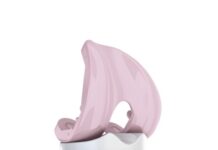

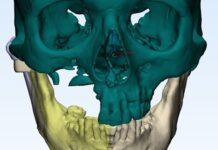











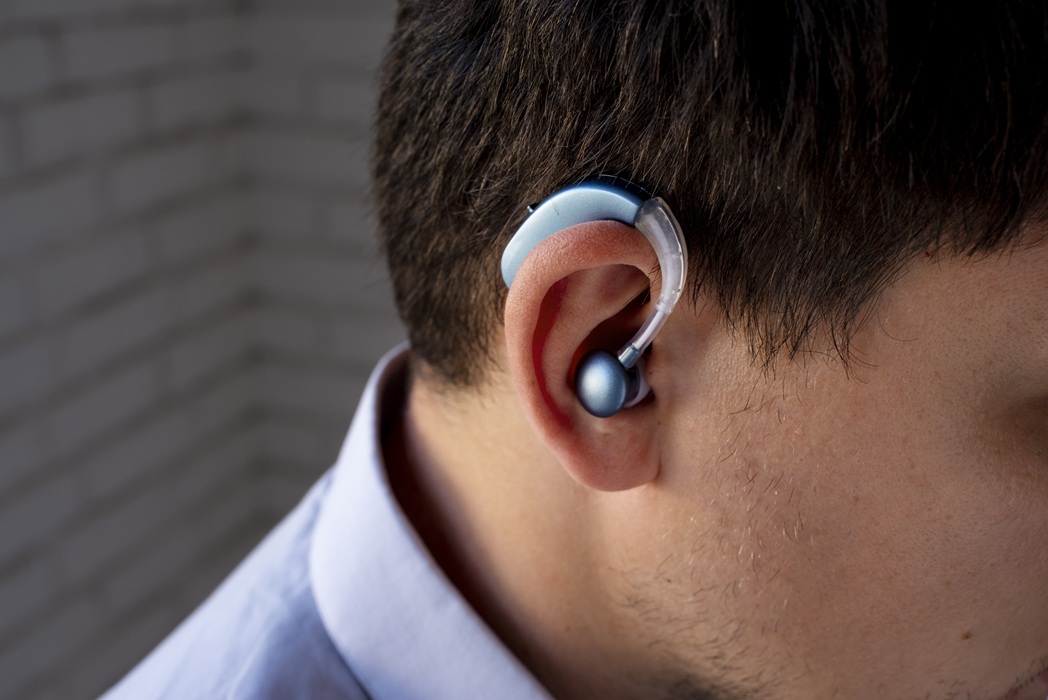
Researchers from National Taiwan University (NTU) and National Taiwan University Hospital have developed a new electrode that could help protect hearing during cochlear implant surgery.
Cochlear implants can restore sound perception in people with severe hearing loss. However, inserting an electrode into the delicate inner ear can trigger inflammation, scarring and damage to remaining sensory cells. This damage may also reduce the effectiveness of the implant.
Targeted Drug Delivery
To address this challenge, researchers developed a flexible, porous electrode made from parylene. The electrode carries dexamethasone, an anti-inflammatory drug, and releases it gradually at the implantation site.
According to Medical Xpress, preclinical tests showed that the drug-releasing electrode reduced inflammation and tissue damage. It also improved hearing-related measurements compared with electrodes that did not contain the drug.
Protecting Residual Hearing
Furthermore, the flexible electrode can follow the spiral structure of the inner ear without causing significant structural damage. This feature could help patients preserve their remaining natural hearing while benefiting from cochlear implant stimulation.
Promising Future for Cochlear Implants
Overall, the technology combines electrical stimulation with targeted drug delivery in a single device. Although researchers still need to conduct further studies and clinical trials, the innovation could make cochlear implantation safer and improve hearing outcomes for patients in the future.