






















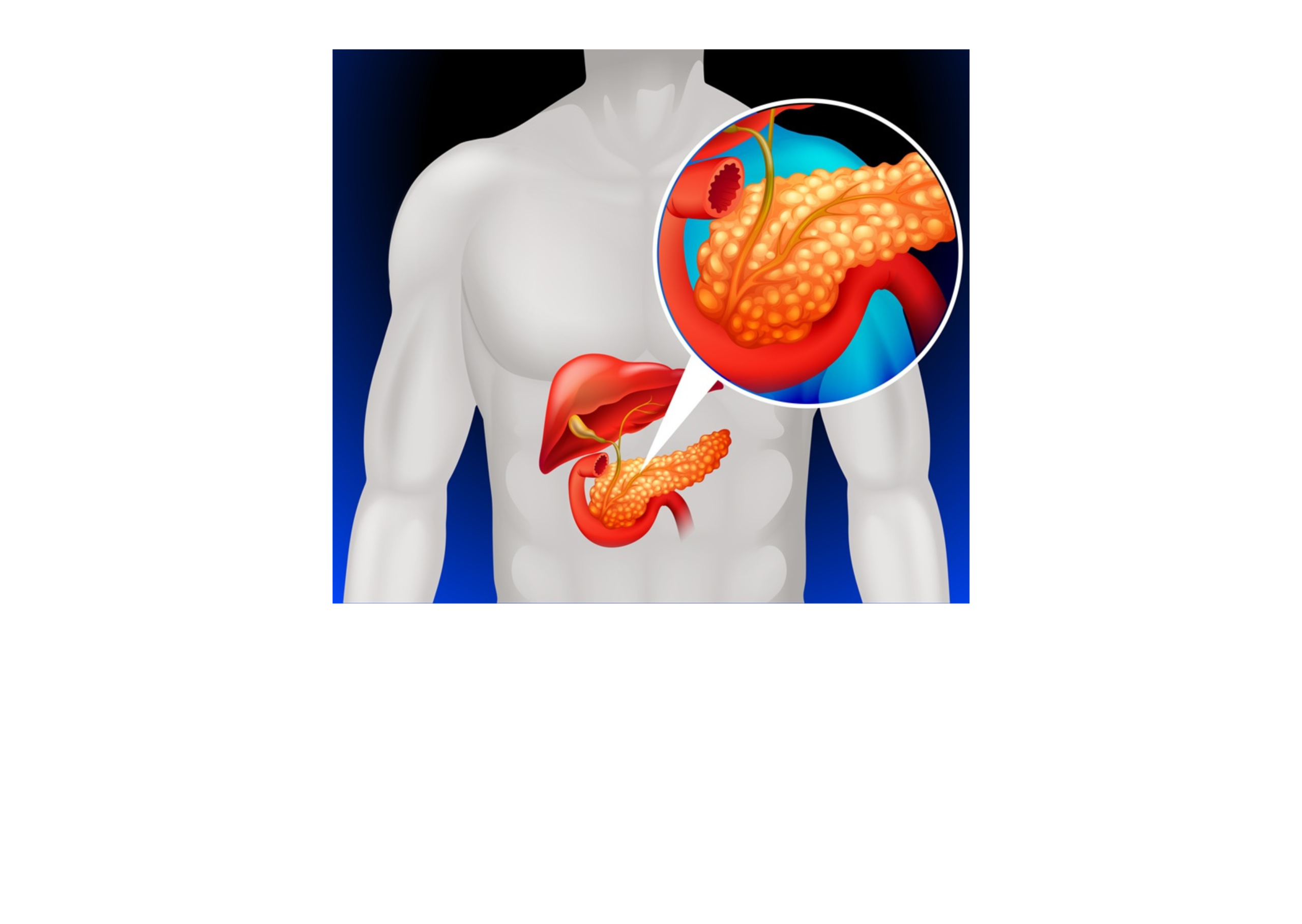
An international panel of experts has officially recognised fatty pancreas disorder (FPD) as a distinct disease, marking a major shift in the understanding of pancreatic health. Until now, excess fat in the pancreas was often viewed as an incidental finding rather than a medical condition requiring attention. However, the newly released Melbourne Consensus, published in Nature Reviews Gastroenterology & Hepatology, confirms that excessive fat accumulation in the pancreas can damage the organ and increase the risk of serious illnesses.
More than just fat deposits
The consensus differentiates between intrapancreatic fat deposition (IPFD)—the presence of fat within the pancreas—and fatty pancreas disorder, where excess fat triggers inflammation, fibrosis and structural damage that impair pancreatic function. While a small amount of fat naturally accumulates with age, excessive fat can develop due to obesity, genetics, environmental influences and lifestyle factors. Notably, even lean individuals may develop the condition.
Higher risk of diabetes and pancreatic cancer
Doctors warn that untreated fatty pancreas disorder can significantly increase the risk of type 2 diabetes, pancreatitis and pancreatic cancer. As per The Times of India, medical experts believe recognising the condition as a disease will encourage earlier diagnosis, improved monitoring and better management strategies. The consensus also classifies FPD into two categories—one affecting people without excess body fat and another linked to obesity—allowing doctors to tailor treatment and prevention more effectively.
MRI remains the preferred diagnostic tool
Experts recommend MRI as the most accurate imaging method for assessing fat in the pancreas. The Melbourne Consensus also introduces standard diagnostic criteria, which are expected to improve consistency in diagnosis across healthcare systems and support future research into the disease.
Lifestyle changes can help reduce the risk
Although no specific treatment exists for fatty pancreas disorder, doctors emphasise that lifestyle changes remain the first line of defence. Maintaining a healthy weight, following a balanced diet, exercising regularly and controlling blood sugar levels can help reduce fat accumulation in the pancreas and lower the risk of long-term complications. Researchers also believe the formal recognition of FPD will accelerate studies into new diagnostic tools and targeted therapies.