






















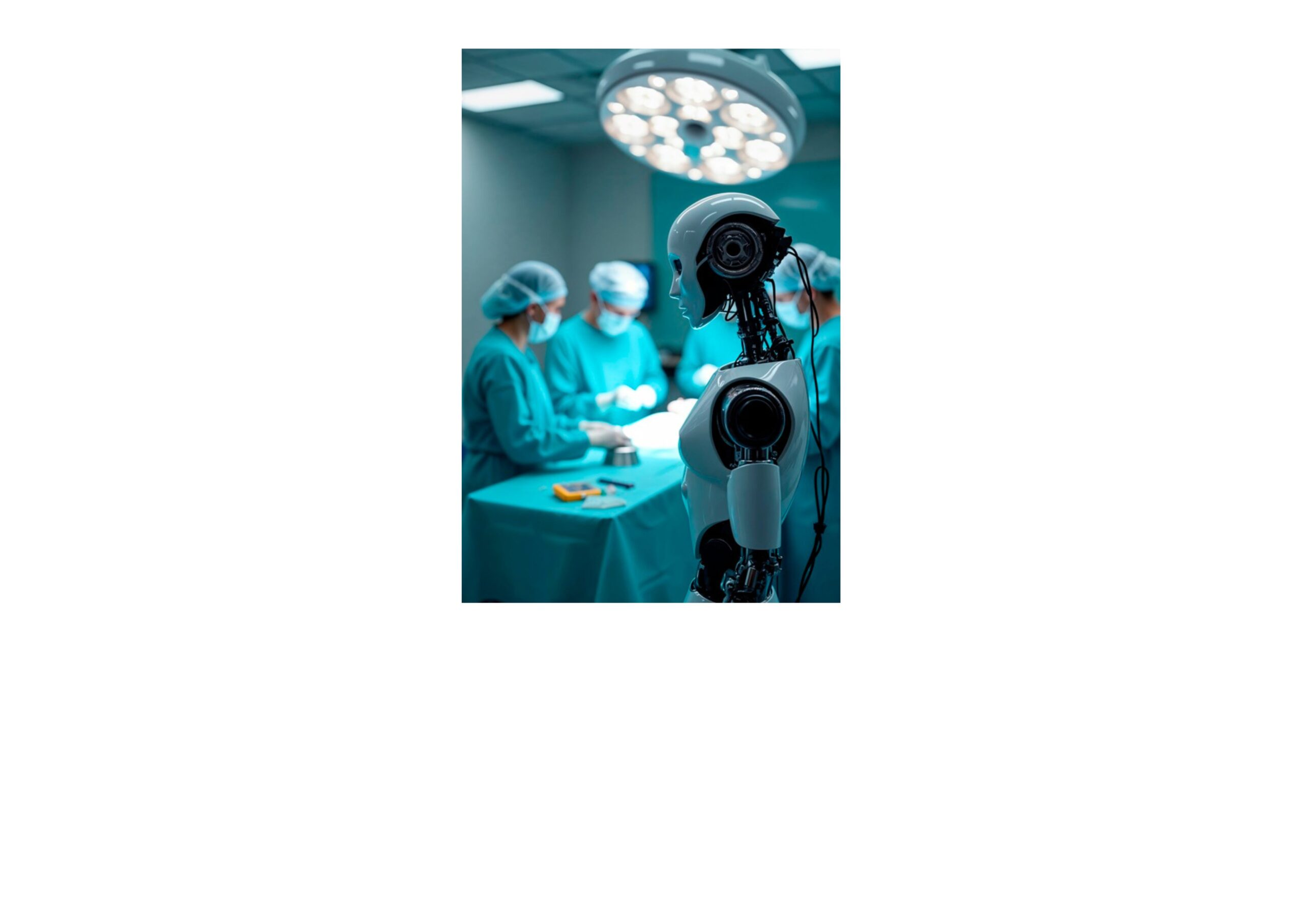
Researchers at the University of California San Diego have achieved a major milestone by using teleoperated humanoid robots to perform live minimally invasive surgeries during preclinical trials. The breakthrough marks the first time humanoid robots have successfully completed live surgical procedures, opening new possibilities for robotic healthcare.
Two Successful Surgical Procedures
The research team carried out two gallbladder removal surgeries on large non-primate mammals. In the first procedure, a remotely controlled humanoid robot worked alongside a human surgeon. In the second, two humanoid robots completed the surgery together under remote human control. The findings were published in the journal Nature.
Expanding Access to Surgery
Meanwhile, the researchers believe humanoid robots could make advanced surgical care more accessible because they can operate in standard hospital environments without requiring highly specialized robotic infrastructure. As per News Atlas, this approach could eventually help hospitals in remote and underserved regions adopt robotic-assisted surgery more easily.
Challenges Still Remain
However, the technology is still in its early stages. During the procedures, the team paused several times to recalibrate and reposition the robots, making the surgeries longer than those performed with dedicated surgical robotic systems. Researchers say further improvements in precision, speed and reliability will be necessary before the technology can move to clinical use in humans.
A Step Toward Future Healthcare
Even so, the successful demonstration represents an important advance in surgical robotics. Researchers believe teleoperated humanoid robots could initially assist surgeons and, over time, take on more complex surgical tasks under human supervision, potentially improving healthcare access worldwide.