



















Is anaemia less prevalent in India than previously estimated? A new national survey by the Indian Council of Medical Research (ICMR) suggests a lower prevalence than earlier national surveys, with severe anaemia accounting for less than 2% of cases across most age groups. The findings highlight the importance of accurate diagnosis, nutritional assessment and targeted interventions to address anaemia across different population groups.
ICMR Survey Assesses Anaemia Across India
The Survey for Assessment of Markers of Population Health, Activity, Diet and Anthropometry (SAMPADA), conducted between 2023 and 2025, covered more than two lakh individuals from over 81,000 households across 183 districts in 35 states and Union territories. Researchers analysed more than 1.7 lakh blood samples to assess haemoglobin levels.
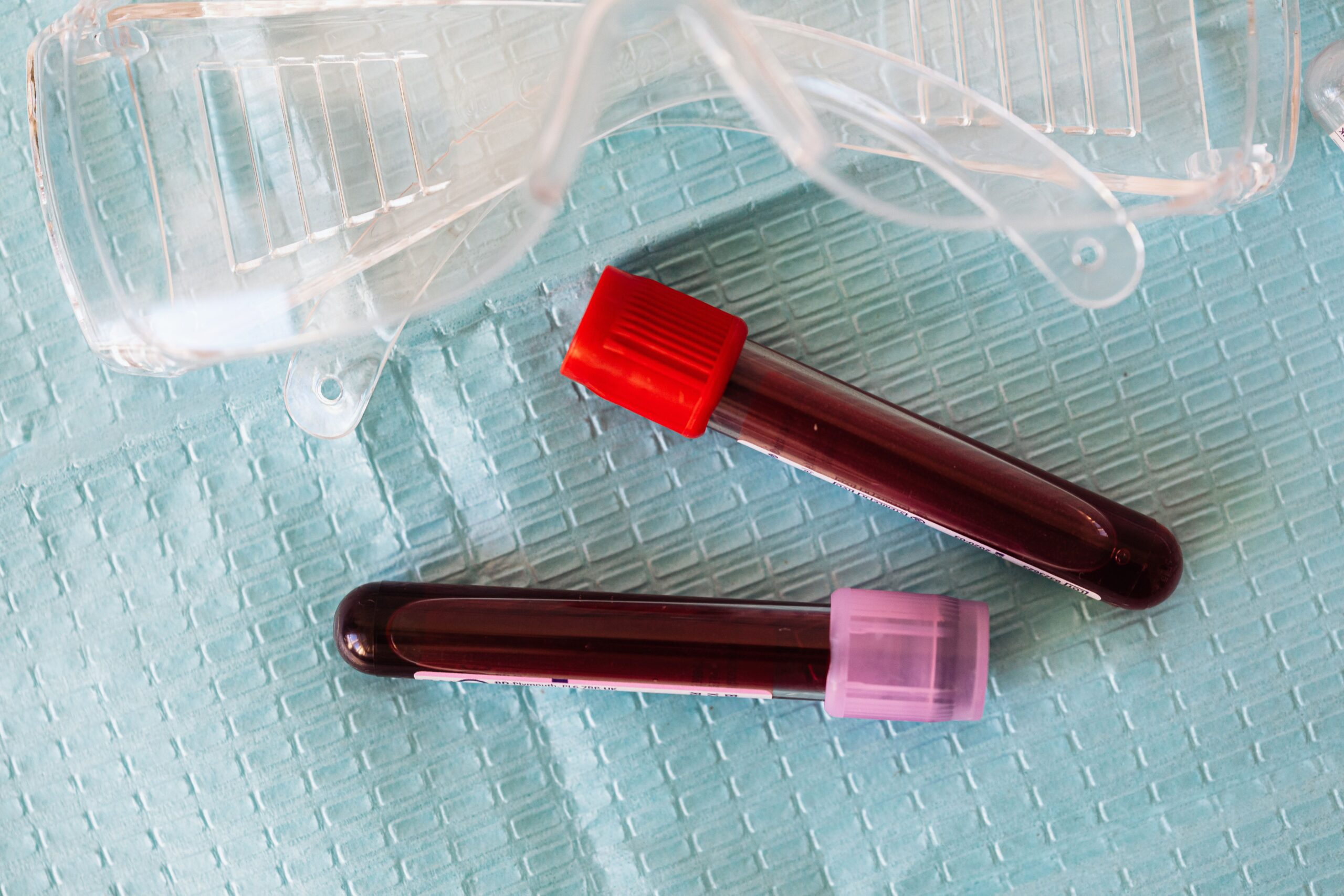
The survey used venous blood sampling and automated analysers to improve the accuracy and reliability of haemoglobin measurements. It also assessed iron, folate and vitamin B12 levels, along with inflammatory markers, in a subset of participants.
Anaemia Prevalence Across Different Age Groups
The survey reported anaemia prevalence of 42% among children aged 12–59 months, 46% among adolescent girls aged 10–19 years, 22–23% among adolescent boys and men aged 20–59 years, and 56% among women of reproductive age.
Importantly, most cases were classified as mild. Around half of anaemic women, including pregnant and lactating women, adolescent girls and children, had mild anaemia. Similarly, approximately three-fourths of anaemic adolescent boys, adult men and older men had mild cases.
Iron Deficiency and Other Contributing Factors
The findings revealed that iron deficiency accounted for approximately half of the anaemia burden among women, adolescent girls and children. It was particularly concentrated among children below five years, adolescent girls and women of reproductive age.
However, researchers emphasised that anaemia cannot be attributed to iron deficiency alone. Infections, haemoglobin disorders and inflammation associated with chronic diseases can also contribute. The survey further found that vitamin B12 and folate deficiencies were similar among anaemic and non-anaemic individuals across population groups.
ICMR Calls for Targeted Anaemia Prevention
Dr. Rajiv Bahl, Secretary, Department of Health Research and Director General of ICMR, said that the SAMPADA survey provides nationally representative estimates of anaemia and micronutrient deficiencies, offering an evidence base to strengthen the ongoing Anaemia Mukt Bharat programme.
Dr. Bharati Kulkarni, Director, ICMR-National Institute of Nutrition (ICMR-NIN), highlighted that the findings support population-specific approaches to anaemia prevention and management. She also emphasised the need for further research, improved surveillance, appropriate testing and targeted treatment.
As reported by health.economictimes.indiatimes.com, the SAMPADA survey provides updated national evidence on anaemia and micronutrient deficiencies, helping strengthen India’s efforts towards more targeted prevention, diagnosis and management of anaemia.