























We have been witnessing a growing number of sudden cardiac death among young adults in the working population, particularly those aged 25 to 55. Increasingly, such cases ranging from high-profile celebrities to members of the general public are coming to light. Many, however, go largely unnoticed or unanalysed, remaining known only within the medical community. In this context, it becomes crucial to seek informed insights from medical and scientific experts. To bring this important matter into focus, presented here is a discussion featuring leading medical experts:
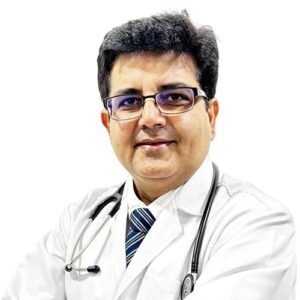 Dr. Samir Kubba, Director and Unit Head, Narayana Dharamshila Superspeciality Hospital, Delhi is a specialist in Clinical, Intervention and Preventive cardiology. He helped launch angioplasty programs in Meerut and Gurgaon (2007) and published research on Pharmaco-invasive heart attack treatment in 2013.
 Dr. Kinjal D. Modi is a Consultant Respiratory Physician with 19 years of experience, practicing at P.D. Hinduja Hospital Khar and multiple hospitals across Mumbai. He holds multiple degrees including MBBS, MD, DNB, FCCP (USA), and EDARM (Europe), and is pursuing LLM in Business Law. An expert in Drug-Resistant TB and Interventional Pulmonology, he has several national and international publications.
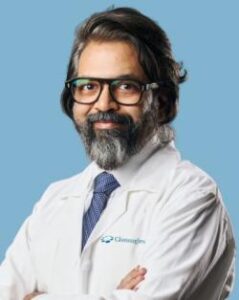
Dr. Rahul R. Gupta is a leading Interventional Cardiologist with over 19 years of experience in India and abroad. He specializes in complex angioplasty, valve interventions, device implantations and non-surgical closure of heart defects. He is also skilled in pediatric and fetal echocardiography, preventive cardiology, and stem cell therapy.
The Indian Practitioner (TIP): What are the immediate causes of sudden cardiac death in the mentioned young and middle age-groups: 25-40 years and 40-55 years?
Dr. Samir Kubba (SK): Overall, the immediate cause of sudden cardiac death is acute coronary syndrome (ACS) or myocardial infarction (MI) in both age groups. In India, cardiovascular disease is seen 10-20 years earlier than in other parts of the world and is also more severe, with often multi-vessel disease. Also, in cases of mild disease with early atherosclerosis and plaques, the rupture of an unstable plaque can lead to an ACS or MI even in a young adult. Other immediate causes include cardiac arrhythmias like ventricular fibrillation.
Dr. Kinjal Modi (KM): In the 25-40 years age-group, physical stress is a leading cause due to obsession with fitness, overdoing exercises under peer pressure, trying to achieve unrealistic standards set in posts on social media and unnecessarily comparisons with others, without understanding one’s own body structure and not doing suitable exercises and fitness activities, listening to one’s own body. In addition, work and performance pressure and current scenario of people losing or not getting jobs is a contributing factor. Work from home which seemed a boon earlier, has actually worsened the daily schedule of food, rest and work of people. Moreover, in fear of losing jobs people are doing more work and showing that they are more productive and in turn increasing mental pressure and stress. In the 40–55-year age group, both emotional/mental stress and physical stress dominate life. In middle age, people are busy maintaining a balance between family and professional life, as well as their fitness. A few succeed, the rest struggle and juggle and live in stress. Sleep and rest are often compromised, as after attending late-night parties or meetings, one goes early morning for a job or a walk without proper rest, thus having a harmful effect on the body. In the late 40’s and 50’s, people want to look younger and fit, so in that rat race, unfortunately overstress their bodies to achieve fitness goals. Plus, the financial stress of maintaining a family, education of children, home loans, car loans, increases the mental stress, reduces sleep and lack of proper rest worsens the mental stress setting up a vicious cycle.
Dr. Rahul Gupta (RG): In the 25-40 years age group, sudden cardiac death is often caused by undiagnosed genetic heart conditions like hypertrophic cardiomyopathy or arrhythmias. Intense physical stress, substance use or undetected congenital heart issues can also raise the chances of sudden cardiac arrest. In the 40-55 years, the causes can be attributed to undiagnosed coronary artery disease, plaque rupture leading to heart attacks or silent ischemia. Moreover, factors like high blood pressure, diabetes and stress are also the culprits.
TIP: What are the identifiable risk factors (in terms of lifestyle habits, diet, physical activity, sleep cycles and stress) for sudden cardiac deaths in these age groups and what caution should be taken?
SK: An important lifestyle risk for sudden cardiac death in young adults is smoking as this not only causes ongoing endothelial damage but can also trigger the rupture of an unstable plaque, which even if small, can cause a fatal MI. Sedentary lifestyle with hours spent on the internet and social media not only reduces physical activity but also leads to disturbed sleep cycles, as well as psychosocial stress. Other known risk factors of modern lifestyle include processed foods and unhealthy diet, obesity and stress due to work, relationships and social media. In fact, fast-food and social-media internet overuse in children can cause childhood obesity with implications into young adulthood. Reduced duration and quality of sleep, as well as sleep apnoea, are also risk factors to be timely managed. Air pollution is a less talked-about but relevant cause of stroke and MI as many noxious pollutants from exhaust and industries can cause ongoing endothelial damage and development of unstable plaques.
KM: Unfortunately, nowadays most people don’t follow the natural rhythm that our ancestors used to follow: ‘Early to bed and early to rise’ has been a forgotten entity. Lifestyles have changed a lot, either due to professional commitments or social life. During sleep time, people are watching reels or binge-watching OTT. People think that night sleep can be replaced with entertainment or gaining some invaluable knowledge from social media platform. People hardly understand that any electric gadget like a mobile or tablet, requires to be recharged once the battery is low. Similarly human body also needs the 3 Rs – recharge, rejuvenate and recuperate during the night so that a person can work more efficiently during the day.
Keeping your electronic gadgets off for at least one hour before you sleep is very useful. Protein intake is stressed a lot nowadays on various platforms, inc-luding doctors and healthcare workers. Yes, protein is definitely required as a major source of nutrients in our body, but unnecessary supplements just to show a gym-like body may not be required and one has to choose judiciously so that the protein will be helpful to the body and not harmful. Yoga meditation and other relaxing exercises are also needed during the fitness schedule to keep your body and mind relaxed and reduce the level of stress a person is experiencing in his or her life. Socializing with relatives, meeting friends and speaking to people are also some good activities to relieve stress.
RG: Smoking, high-fat diets, lack of exercise, irregular sleep and chronic stress can lead to sudden cardiac death. Ignoring symptoms like chest discomfort or breathlessness can be life-threatening. Regular check-ups, a balanced routine and stress management can save the heart.
TIP: What underlying health conditions should be screened for in each of these two age-groups regularly to prevent such deaths?
SK: The INTERHEART study, published in 2004 (Yusuf et al), identified 9 key modifiable risk factors that account for the majority of the risk of MI: abnormal lipids, smoking, hypertension, diabetes, abdominal obesity, psychosocial factors, diet (specifically lack of fruits and vegetables), physical activity and alcohol consumption. The study found that these nine risk factors collectively explain approximately 90% of the population attributable risk for MI in men and 94% in women. In India, 1 in 3 have Hypertension, which is often undiagnosed in the young. India is the diabetes capital and diabetes is known to cause silent MIs. Dyslipidaemia (raised cholesterol and triglycerides) also goes undiagnosed, especially in young adults due to the absence of specific symptoms. These 3 are the most important conditions to be screened. Family history is of importance to document, especially if there is a history of ACS < 55 years (male) and 65 years (female) in parents or close relatives. Connective tissue disorders causing vasculitis are also a risk factor, especially if there is a family history.
Some markers may be screened for if there is a family history of cardiac disease, like homocysteine, anti-phospholipid antibody, protein C, factor V Leiden, etc. as these can contribute to premature coronary artery disease (CAD). Often the focus of cardiac disease is on men, however, it is important to be aware that women often have atypical symptoms, seek help less and late and may have risk factors like premature menopause or use of oral contraceptives. Perimenopausal women show changes in estrogen levels, fat distribution, lipoprotein A levels and weight, all risk factors for CAD. A woman with diabetes is as much as risk for CVD and ACS as a man.
KM: Diabetes and high blood pressure are two predisposing conditions for cardiac events, which need to be screened and kept under control if found to be present. Unfortunately, there is no easily available parameter to measure the stress or mental agony, a person is going through. Screening oneself with appropriate blood tests and investigations advised by a physician may be useful. Doing random health checkup packages may not be that helpful. Always be alert about initial symptoms of deterioration in health, which should not to be ignored.
RG: For those aged 25–40, screening involves regular blood pressure checks, cholesterol levels, ECGs for arrhythmias and understanding the family history of heart disease. People aged 40–55 will be advised routine checks for diabetes, coronary artery disease and heart function (via stress tests or echocardiograms) by the expert.
TIP: Is indiscriminate use and self-prescription of medicines (like pills for anxiety/depression, anti-ageing supplements/treatments, muscle-building workout powders/supplements and anabolic steroids, stimulant drugs, sedatives or hallucinogens) causing a rise in sudden cardiac deaths? What is the link and how can this be controlled?
SK: Indiscriminate use of prescription pills without medical guidance and excess use of supplements recommended by social media influencers without evidence based proven benefits or medical recommendation, can lead to body changes like disturbance in metabolism and electrolyte disturbances that can lead to oxidative damage to vessels, as well as QT-prolongation or arrhythmia that can be risk factors for sudden cardiac death. Therefore, all use of supplements and medicines whether for body/muscle building, anti-ageing, cosmetic enhancements or mood/psychological, support, etc., must be supervised and monitored by a qualified medical professional. The same applies to gym and athletic training, where often ‘pushing to or beyond limits’ is strived for. All training and physical exercises should be gradually upscaled, warm-up and cool-down periods put in place, the individual’s capacity properly assessed and a baseline plus periodic medical evaluations done. Apart from smoking, many young adults have a history of substance abuse, which is rarely forthcoming and often has to be extracted. Abuse of recreational substances like cocaine, LSD etc lead to endothelial damage and a hypercoagulable state increasing the risk of ACS.
KM: Half knowledge is the most detrimental thing, and knowledge gained from ‘WhatsApp University’ and social media platforms makes people feel that they know everything about our health, even more than doctors and scientists across the globe!! People try unwanted, unnecessary and sometimes experimental tricks following advice given on social media to improve their health. The human body is a wonderful creation of the almighty, which can maintain and sustain itself if understood properly. Self-treatment for fitness and health may, in turn harm our own body. Over-the-counter medications, getting the treatment from the chemist or the shopkeeper, without the advice of a qualified doctor, are risky, harmful to helpwith no accountability or liability. So, it is advisable that if one has a problem, get it analysed, investigated and treated properly by a doctor.
Sometimes people also use some stimulant medicines to enhance their working skills for professional excellence. But simulating the brain every time with medications will slowly lead to mental disorders and strain to the brain as well as other organs. Also using muscle-building workout powders/supplements and anabolic steroids, without proper indication may be harmful. Everyone who hits the gym for fitness wants to get a ‘Macho Man figure’, without understanding that the weightlifters and the pahalwans have to work hard for years together to get that body. But in the world of 10 minutes delivery, people even want fitness and muscular looks that fast and get carried away by some people who advise special protein powders and anabolic steroids on social media to enhance their look in a short time. People don’t understand that even if they get those looks in a short time, the moment they stop these supplements or use them over a long time, the body will react adversely, harming kidneys, liver, heart, lungs and other organs,which also leads to cardiac events. One should understand that going to a gym or following a fitness schedule is to maintain a good healthy body, with regular follow up with doctors in case of any difficulty is advisable. One simple rule that most of people forget is… ‘Listen to your own body.’ One has to understand that real fitness is from within and not the external.
RG: Misuse of such medications and supplements can disrupt heart rhythms, increase blood pressure, or strain the heart, leading to sudden cardiac death. Hence, there should be stricter regulations, public awareness and avoidance of self-medication without the doctor’s knowledge.
TIP: What are the important warning signs to watch out for or recognize that precede such sudden cardiac death, so that timely action and medical consultation may be taken?
SK: The body always gives signs and it is important to listen to one’s body. Symptoms like uneasiness and discomfort due to sympathetic overactivity should not be ignored and due timely rest taken. Feeling of gas and acidity, fatigue, nausea, sleeplessness, sweating, palpitation, anxiety and breathlessness are indicative of taking a pause, resting, slowing down and getting a medical check-up. In a few unfortunates, the risk factors work silently till a catastrophic event, but ignoring known risk factors and pushing oneself despite warning signs is inviting a medical emergency and possible fatality.
KM: Ignoring the warning signals is the greatest mistake one generally makes. The body usually gives some indications of stress and overexertion. If understood and worked upon in time and treated, major problems can be averted. Initial symptoms include chest discomfort or pain, breathlessness and tiredness or sweating on minimal physical activity or at rest. Chest heaviness, or pain, especially if radiating to the left shoulder or arm, warrants immediate medical attention from a good physician. Moreover, fluctuations in BP and sugar in known cases of Hypertension and Diabetes respectively, should also be watched for. Diabetic people might not feel chest discomfort or pain many a times but may have excessive perspiration or tiredness on exertion or stress, which needs to be addressed.
RG: Sudden chest pain, shortness of breath, fainting, or rapid heartbeats while resting or exercising will need timely attention. Don’t ignore these signs and consult an expert who will guide you regarding an appropriate treatment plan.