





















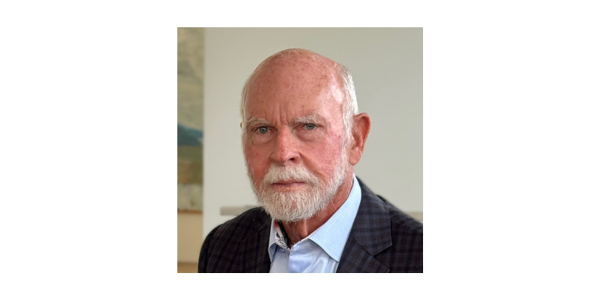
J. Craig Venter, the scientist who mapped the first draft of the human genome and transformed our understanding of genetics, passed away on April 30, 2026, at the age of 79. The J. Craig Venter Institute announced that he died in San Diego after being hospitalised due to complications from recent cancer treatment.
Revolutionising the Human Genome Race
During the 1990s, Venter challenged the pace of the publicly funded Human Genome Project. Instead, he introduced a faster sequencing method through his company, Celera Genomics. As a result, in 2000, both teams jointly announced that they had decoded the 3.1 billion DNA base pairs that form the blueprint of human life. Subsequently, the project declared the genome complete in 2003.
At the time, Venter emphasised that decoding the genome would not diminish humanity. Rather, it would deepen scientific curiosity and uncover new biological mysteries.
Advancing Genetic Understanding
Indeed, his work opened new frontiers in medicine. Scientists began identifying genetic links to rare diseases as well as common conditions such as heart disease and cancer. Furthermore, his research helped uncover how genetic mutations influence disease risk, paving the way for more precise diagnostics and treatments.
From Military Service to Scientific Curiosity
Earlier in life, Venter served in the U.S. Navy during the Vietnam War. This experience profoundly shaped his perspective, sparking a lifelong curiosity about the complexity and fragility of human life. Consequently, he pursued research into how cells function collectively to sustain life.
Breakthroughs Beyond the Genome
As reported by The Hindu, Venter also contributed significantly during his time at the National Institutes of Health, where he helped develop rapid gene identification techniques. Later, he became the first individual to publish his own genome sequence, enabling researchers to explore inherited traits and disease risks more closely.
Moreover, he advanced the field of synthetic biology by leading a team that created a bacterial cell controlled by laboratory-synthesised DNA.
A Lasting Scientific Legacy
Ultimately, Venter’s work reshaped modern biology. His innovations not only accelerated genome research but also laid the foundation for personalised medicine and future biotechnological breakthroughs.