







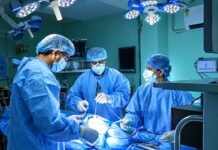













In a rare and clinically significant achievement, Nanavati Max Super Speciality Hospital, Mumbai, successfully performed a bilateral hand transplant using hands received through cadaveric donation. The transplant restored functional hand use to an 18-year-old male recipient, while the donor’s lungs, liver, and corneas also enabled multiple life-saving transplants across hospitals in Mumbai and Surat.
A Life-Altering Accident and Lost Independence
The recipient, Priyank Aghera (18), the son of a farmer from Rajkot, Gujarat, lost both hands in a tragic farm accident in January 2024. While assisting his father during cotton harvesting, a branch became lodged in a tractor blade. When the machine restarted, Priyank sustained severe crush injuries that were beyond salvage, necessitating bilateral amputation.
As an aspiring electrical engineering student, the sudden loss profoundly disrupted his education, independence, and daily life.
Thirteen Months of Waiting for a Donor
Because bilateral hand transplantation depends entirely on consent from a suitable deceased donor, Priyank remained on the transplant waitlist for 13 months. The opportunity finally arose when the family of a 50-year-old woman from Surat, Gujarat, made the courageous decision to consent to cadaveric organ donation following her death.
Given the complexity of the procedure, Dr. Nilesh Satbhai, Director – Plastic, Reconstructive Microsurgery & Hand Transplantation at Nanavati Max Hospital, led the surgery. Notably, his team has performed 26 hand transplants across 14 patients, making it one of the most experienced programmes in the country.
A Precisely Coordinated Overnight Surgery
As per the press release, the 13-hour bilateral hand transplant took place on January 9–10, 2026, following rapid coordination between transplant teams and civic authorities in Maharashtra and Gujarat. Surgeons retrieved the donor’s hands in Surat and transported them to Mumbai within just over two hours.
The recipient entered the operating theatre at 10:30 PM, the surgery continued overnight, and the team completed the transplant successfully by morning. Currently, Priyank remains under close medical supervision with a structured plan for recovery, wound care, and long-term rehabilitation.
Expert Insight on the Significance of Hand Donation
Explaining the importance of the procedure, Dr. Nilesh Satbhai said,
“While awareness around organ donation for organs like the liver, kidneys, and heart has increased, hand donation remains rare because hands are visible external organs and families may hesitate during bereavement. This transplant demonstrates how timely cadaveric donation can make such complex surgeries possible. Hand transplantation can offer outcomes that prosthetics often cannot—such as sensation and coordinated movement—allowing young patients to return to education, work, and self-care.”
He added that beyond surgery, the procedure restores dignity, independence, and the possibility of a future, while expressing deep gratitude to the donor family for their extraordinary generosity.
Voices of Hope from the Recipient and Family
Sharing his experience, Priyank Aghera said,
“After the accident, doctors in Gujarat told us there was still hope and advised us to meet Dr. Satbhai. He explained everything with great compassion. I waited more than 13 months for this day, and it still feels unreal. I know the road ahead will be difficult, but I finally feel hopeful about my future.”
His father, Dinesh Aghera, added,
“We explored options in several cities, but Dr. Satbhai had the most experience. Priyank showed incredible determination, even losing 20–30 kilograms over the year to become fit for surgery. We are forever grateful to the donor family for giving our son the chance to return to his studies and rebuild his life.”
This landmark transplant underscores the transformative power of cadaveric organ donation and highlights how timely decisions can restore not just organs—but lives and futures.