


















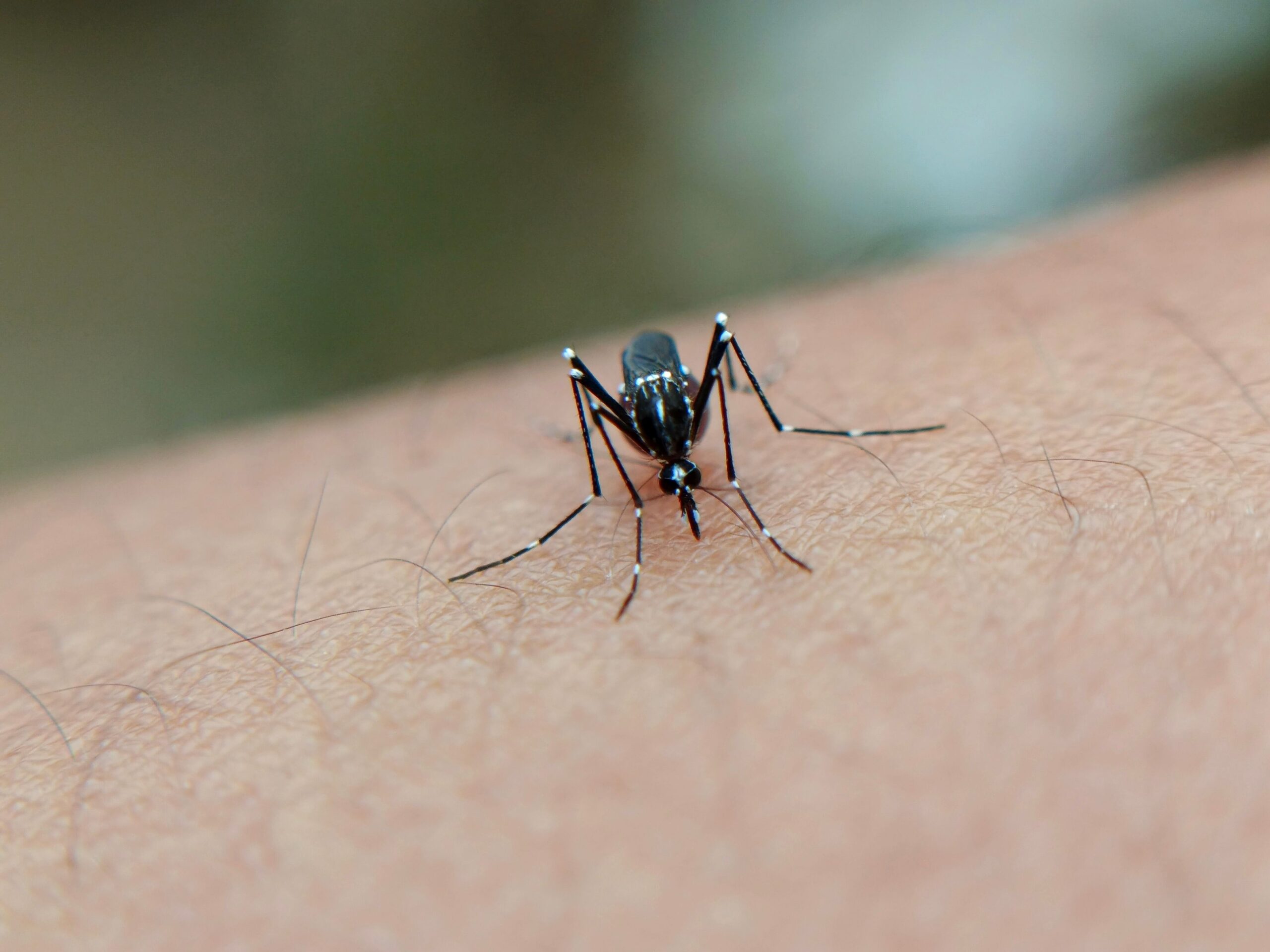
Could a controlled human infection model help accelerate the development of vaccines and treatments for dengue? Researchers at the University of Maryland School of Medicine (UMSOM) and the Institute of Human Virology (IHV) have taken an important step in this direction by developing the first successful human challenge model for dengue serotype 4 (DENV-4). The breakthrough could help scientists evaluate potential vaccines and antiviral drugs against a strain that has remained difficult to study.
The findings were published in The Lancet Microbe.
Low-Dose Virus Exposure Under Close Medical Monitoring
As part of the study, researchers administered a single injection containing 95 plaque-forming units of the dengue challenge virus under the skin of each participant. This dose was considerably lower than those used in earlier dengue human challenge studies, which involved at least seven times more virus.
The clinical trial took place at the University of Maryland School of Medicine in Baltimore between April 2022 and December 2023. Researchers closely monitored all participants, checking them daily for symptoms and regularly collecting blood samples to measure viral activity.
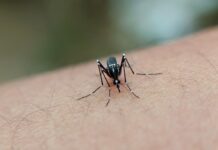
To prevent mosquitoes from acquiring and spreading the virus, participants stayed at a nearby hotel while the virus remained detectable in their blood.
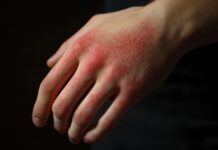
All 14 participants developed detectable levels of the virus and experienced mild-to-moderate dengue symptoms. Rash and fatigue were the most common symptoms, affecting every participant, followed by headaches.
Study Reveals Long-Lasting Immunity Against Dengue Serotype 4
Beyond monitoring symptoms, researchers examined how the immune system responded to the infection and whether the resulting protection persisted over time.
According to Joel Chua, Associate Professor of Medicine at the Institute of Human Virology, UMSOM, the study provided valuable insights into the body’s early immune response following dengue exposure. Researchers also found evidence that an initial DENV-4 infection could provide durable, serotype-specific protection for at least one year.
Dengue is one of the world’s most widespread mosquito-borne infections and is caused by a virus with four distinct serotypes: DENV-1, DENV-2, DENV-3 and DENV-4. Although infection with one serotype generally provides long-lasting protection against the same type, it does not necessarily protect against the other three.
DENV-4 presents a particular challenge because it circulates unpredictably, with sometimes decades passing between outbreaks. Consequently, large-scale field trials have struggled to establish reliable vaccine efficacy against this serotype. Recent Phase III dengue vaccine trials also failed to generate dependable efficacy estimates for DENV-4.
To understand these immune responses better, researchers conducted detailed immunological and transcriptomic analyses. Following the first infection, participants showed strong antibody responses, an increase in antibody-producing cells and activation of antiviral genes. However, these responses were largely absent after a second exposure, supporting the evidence of protection against the same serotype.
New Model Could Support Future Vaccine and Drug Trials
The findings build on earlier research that established human challenge models for dengue serotypes 1 and 3. Together, these models offer researchers a controlled approach to studying the different dengue strains and evaluating potential vaccines, antiviral drugs and other treatments before moving them into larger clinical trials.
Kirsten E. Lyke, Professor of Medicine at the Center for Vaccine Development and Global Health and the study’s principal investigator, highlighted the importance of developing effective dengue vaccines, particularly because no specific antiviral treatment is currently available. She noted that human challenge models could help researchers assess vaccines, therapeutics and biological agents more efficiently.
The study forms part of a broader research consortium working towards developing human challenge models for all four dengue serotypes.
Although the research involved only 14 healthy adult volunteers and requires further investigation, it establishes an important foundation for future dengue research. By allowing scientists to evaluate immune responses to DENV-4 under controlled clinical conditions, the model could help address longstanding challenges in testing vaccines and treatments against all four dengue serotypes. As reported by medicalxpress.com, the findings could support the development of more effective dengue vaccines and antiviral treatments.