




















A recent ICMR-funded study has advanced global understanding of the critical link between nutrition and tuberculosis (TB). Conducted in Jharkhand, the research demonstrated the powerful impact of nutritional supplementation in helping both patients and their household contacts. Recognizing its significance, the World Health Organization (WHO) has incorporated these findings into its updated global guidance on TB control. This marks a major achievement for India, placing the country at the forefront of global health policy innovation.
The Landmark RATIONS Trial
The study, known as the Reducing Activation of Tuberculosis by Improvement of Nutritional Status (RATIONS) trial, was published in The Lancet. It represents the first randomized trial to examine how nutritional support influences TB incidence among household contacts of patients.
Researchers enrolled more than 2,800 patients with microbiologically confirmed pulmonary TB, along with their household contacts, across 28 TB units under India’s National Tuberculosis Elimination Programme in four districts of Jharkhand. The large-scale, community-based approach ensured comprehensive and reliable data.
Study Design and Intervention
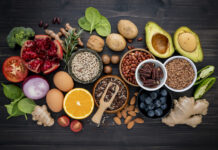
The RATIONS trial was a field-based, open-label, cluster-randomized controlled trial. All TB patients received a nutritional package consisting of 1,200 kcal, 52 grams of protein, and micronutrients daily for six months. In addition, household contacts in the intervention group were provided monthly food rations of 750 kcal, 23 grams of protein, and micronutrients. This design directly tested whether nutritional support could prevent new TB cases among vulnerable households.
Powerful Results: Reduced TB Incidence and Mortality
The findings were striking. Nutritional interventions reduced TB incidence among household contacts by 39–48% over a two-year follow-up period. Importantly, patients who experienced early weight gain within the first two months of treatment had a 60% lower risk of TB-related mortality. These results highlight nutrition’s pivotal role not only in preventing disease but also in improving treatment outcomes and survival rates.
Tackling India’s TB–Undernutrition Syndemic
India faces a dual challenge: the syndemic of TB and undernutrition. Undernutrition increases vulnerability to TB and worsens disease progression, while TB itself frequently leads to malnutrition. This vicious cycle magnifies the health burden on patients and communities.
The RATIONS trial provides robust evidence that nutritional support must become a central pillar of TB control strategies. By addressing undernutrition, health programs can significantly cut incidence rates, enhance recovery, and reduce relapse. The WHO’s recognition of these findings underscores their global relevance, particularly for high-burden countries in South Asia and beyond.
A Path Forward
As reported by ocacacademy.in, with its success, the RATIONS trial signals a paradigm shift: nutrition is no longer just supportive care but a critical intervention in TB control. For India, integrating this approach into national health policies offers a transformative pathway to accelerate progress toward TB elimination while improving quality of life for millions.