






















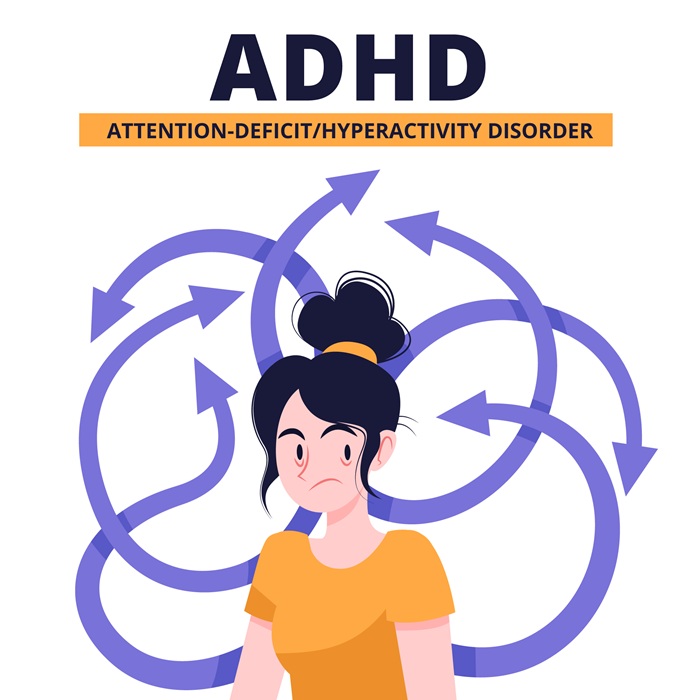
A new study from the University of Iowa suggests that placental health during pregnancy may be linked to a child’s later risk of developing attention-deficit/hyperactivity disorder (ADHD).
Researchers found that lower levels of placental growth factor (PlGF) during the third trimester were associated with higher odds of an ADHD diagnosis later in childhood.
Why the Placenta Matters
The placenta supplies oxygen and nutrients to the developing baby and plays an important role in pregnancy. PlGF, a protein produced by the placenta, helps researchers assess placental function.
Researchers analyzed blood samples from 176 pregnancies and compared PlGF levels with the children’s later health records. They found that PlGF levels normally increased during the third trimester, but this increase was not seen in pregnancies involving children who were later diagnosed with ADHD.
According to the University of Iowa Department of Obstetrics and Gynecology (obgyn.medicine.uiowa.edu), the findings remained significant even after researchers accounted for pregnancy complications such as preeclampsia and fetal growth restriction.
More Research Is Needed
The study found an association, not proof that low PlGF causes ADHD. Therefore, researchers say further studies are needed to understand how placental function may influence fetal brain development.
Overall, the findings add to growing evidence that conditions during pregnancy may play a role in a child’s long-term neurodevelopment.