






















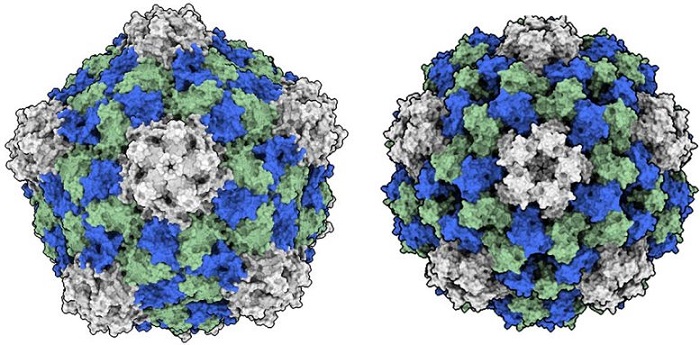
A virus that infects black-eyed peas, known as the cowpea mosaic virus (CPMV), is showing remarkable potential as a cancer treatment. Researchers have found that while CPMV does not infect human cells, it powerfully activates the immune system to recognize and destroy cancer cells.
Unique Immune Activation Without Infection
Scientists from the University of California San Diego, led by chemical and nano engineering experts, discovered that CPMV primes both innate and adaptive immunity—offering long-term protection. In contrast to other plant viruses, CPMV uniquely triggers immune cells to detect and attack tumors.
Potent Anti-Tumor Effects in Animal Models
In laboratory studies with mice and in trials involving dogs with cancer, CPMV produced strong anti-tumor effects. Direct injections into tumors attracted neutrophils, macrophages, and natural killer cells, which launched immediate attacks on cancer. At the same time, the virus activated B cells and T cells. This created lasting immune memory that helped prevent cancer spread.
Researchers Uncover Why CPMV Outperforms Other Plant Viruses
To determine why CPMV works so effectively, the team compared it with the closely related cowpea chlorotic mottle virus (CCMV), which lacks anti-tumor effects. Both viruses are taken up by immune cells at similar rates, yet CPMV triggers more powerful immune responses.
Key Differences in Immune Signaling and RNA Processing
CPMV stimulates type I, II, and III interferons, which are proteins known for their anti-cancer properties. In contrast, CCMV activates interleukins that fail to clear tumors. Moreover, CPMV’s RNA persists longer in mammalian cells and reaches the endolysosome, activating toll-like receptor 7 (TLR7), a critical trigger for anti-tumor immunity. CCMV’s RNA does not reach this activation stage.
Cost-Effective Therapy Through Molecular Farming
Pathway to Clinical Trials
As reported by scitechdaily, the researchers aim to move CPMV toward human clinical trials. “We are diligently working toward the next steps to ensure that the most potent lead candidate is selected to achieve anti-tumor efficacy and safety,” said study lead Nicole Steinmetz. The findings, published in Cell Biomaterials, mark a significant advancement in the search for accessible, effective cancer immunotherapies.