





















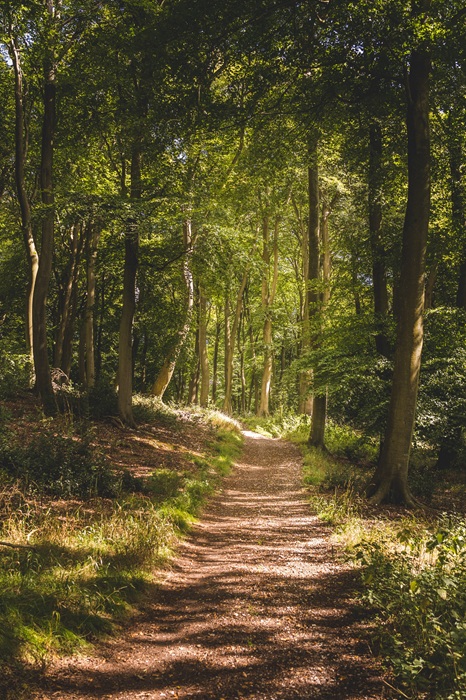
A traditional Japanese practice known as Shinrin-yoku, or forest bathing, is gaining renewed attention after studies suggested that spending time in forests may enhance the body’s natural immune defences, including those involved in fighting cancer. The practice encourages people to immerse themselves in a forest environment and mindfully engage with nature using all five senses.
Research Points to Immune Benefits
Research has shown that spending three days in a forest can significantly increase the number and activity of natural killer (NK) cells—immune cells that help identify and destroy virus-infected and cancerous cells. These benefits were found to persist for more than 30 days, whereas similar walks in urban settings did not produce the same effects.
According to a Times Now report, researchers believe that phytoncides—natural compounds released by trees—may play an important role in stimulating immune function. Earlier studies have also reported increased levels of anti-cancer proteins, including perforin, granulysin, and granzymes, following forest exposure.
Benefits Extend Beyond Immunity
Besides supporting immune health, forest bathing has been associated with reduced stress, lower blood pressure, improved mood, and decreased cortisol levels. Researchers suggest that the combination of fresh air, natural surroundings, and sensory engagement contributes to these physiological and psychological benefits.
Experts Call for Balanced Interpretation
While the findings are encouraging, experts caution that forest bathing should not be viewed as a treatment for cancer. Instead, it may serve as a complementary lifestyle practice that supports overall health and well-being. Researchers also emphasise the need for larger clinical studies to better understand the long-term health benefits and biological mechanisms underlying Shinrin-yoku.