






















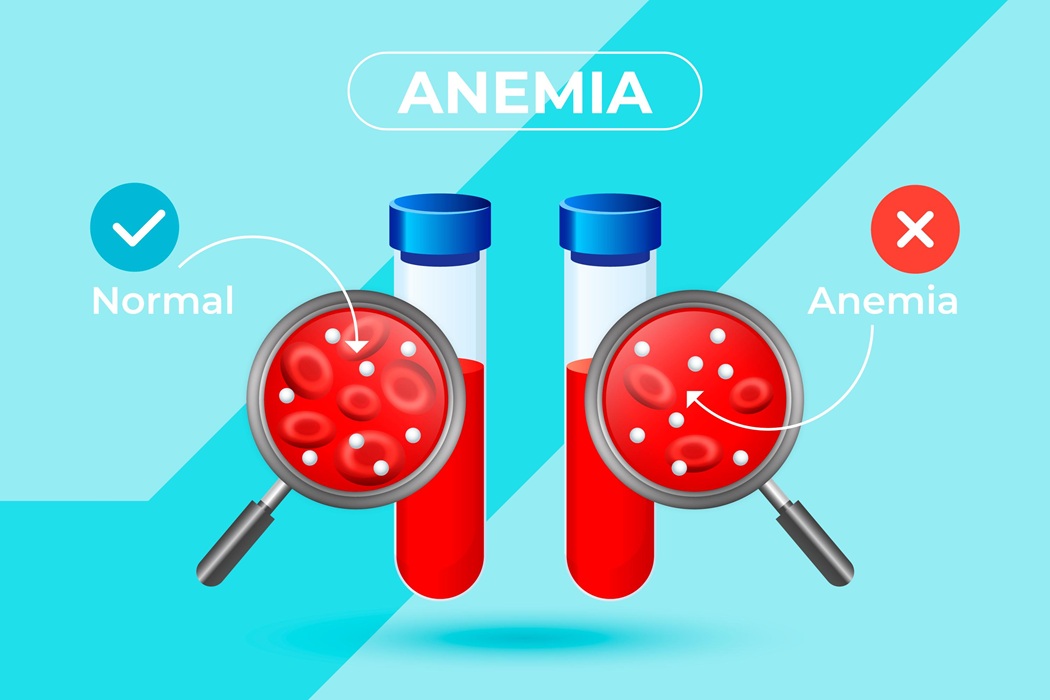
Women in India with moderate-to-severe anaemia during pregnancy face a 27% higher risk of stillbirth after 28 weeks of gestation, according to a new study published in The Lancet Regional Health – Southeast Asia. The findings underscore the importance of preventing and treating anaemia as a key strategy to improve maternal and newborn health.
Large Multi-State Analysis
Researchers from the University of Oxford, the London School of Hygiene & Tropical Medicine, and the Indian Institute of Public Health, Bengaluru, analysed data from the Indian Council of Medical Research (ICMR)-Stillbirth Pooled Indian Cohort (SPIC) Consortium. The study included 2,14,709 singleton pregnancies with recorded haemoglobin levels and known birth outcomes across ten Indian states.
More than half of the women in the study had moderate-to-severe anaemia, while about 1.7% of all pregnancies resulted in stillbirths. Women with severe anaemia experienced stillbirths earlier in pregnancy—around 29 weeks of gestation, compared with 31 weeks among women with no or mild anaemia.
Severe Anaemia Carries Greater Risk
The researchers found that severe anaemia nearly tripled the risk of stillbirth, whereas moderate anaemia increased the risk by about 20% compared with women who had no or mild anaemia. According to an ETHealthworld report, the findings strengthen evidence that maternal anaemia is a major but preventable risk factor for stillbirth in India.
Call for Stronger Public Health Measures
The authors recommend prioritising routine haemoglobin screening, timely iron supplementation, nutritional interventions, and appropriate treatment throughout pregnancy. They believe that addressing modifiable causes of anaemia could significantly reduce stillbirths, although genetic and other non-modifiable forms of anaemia may require different management strategies.