




















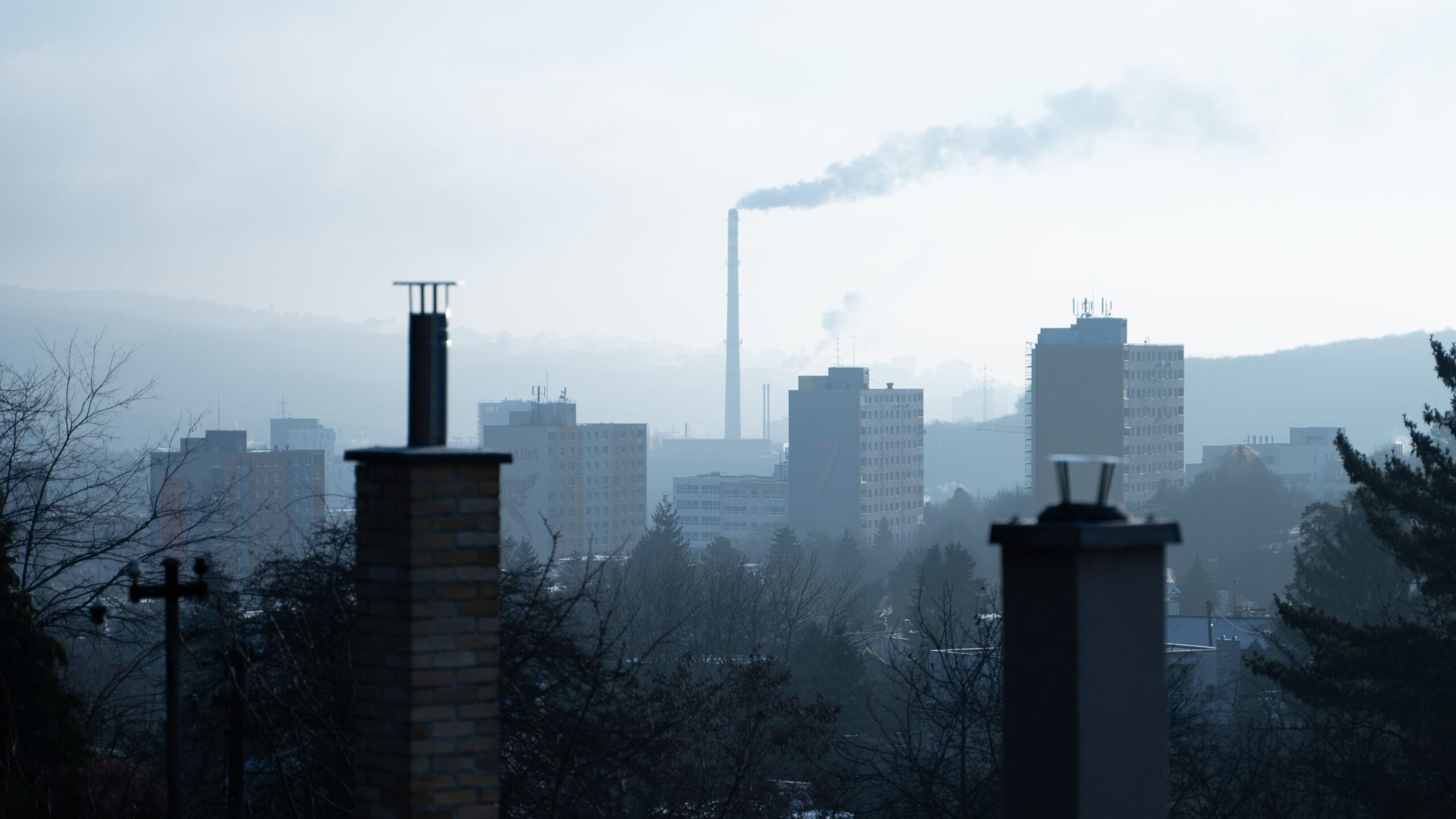
Dr Soumya Swaminathan, scientist and former Deputy Director-General of the World Health Organization (WHO), has called for an evidence-based study to investigate the potential link between air pollution and lung cancer across urban India. She stressed the need for India-specific research to understand how deteriorating air quality may contribute to the rising burden of cancer.
Speaking on the sidelines of a seminar organised by the National Cancer Grid (NCG) at Tata Memorial Hospital in Mumbai, Swaminathan highlighted the importance of addressing high-priority research questions through reliable scientific evidence. She noted that although global research points towards an association between air pollution and lung cancer, India needs more comprehensive studies to establish the extent of this relationship.
Lung cancer cases rise across India
The growing burden of lung cancer has raised concerns among healthcare professionals and researchers. According to an Indian Council of Medical Research (ICMR) report cited at the seminar, lung cancer cases in India increased from 63,708 in 2015 to 81,219 in 2025.
Against this backdrop, Swaminathan proposed establishing a National Mission on Cancer Research, jointly funded by the government and philanthropic organisations, to address critical gaps in cancer research.
Swaminathan suggests linking cancer data with air quality records
To strengthen the evidence base, Swaminathan suggested integrating existing cancer data from the National Cancer Grid and government hospitals with city-level Air Quality Index (AQI) records. This approach could help researchers identify geographical patterns and determine whether regions with higher pollution levels also report higher lung cancer incidence.
She explained that pooling national cancer data and comparing it with air quality information could help identify emerging trends across different states and cities. India has successfully used similar data-driven approaches to investigate other diseases.
Furthermore, she emphasised the need to generate more Indian-specific evidence to guide preventive strategies. Once researchers establish clearer links between pollution exposure and cancer incidence, healthcare authorities can develop targeted interventions to reduce risks.
Research must examine multiple sources of pollution
Swaminathan also urged researchers to look beyond air pollution and investigate the potential impact of other environmental pollutants. These include chemicals, fertilisers and pesticides, which may also contribute to long-term health risks.
A broader research approach could help India understand the combined impact of environmental exposures and develop more effective cancer prevention strategies.
Focus on affordable cancer treatments and emerging technologies
In addition to pollution-related research, Swaminathan highlighted the need to evaluate new treatment protocols, diagnostic methods and emerging therapies, including cell and gene therapies.
She stressed that India must assess the safety, effectiveness and affordability of advanced healthcare technologies before adopting them widely. Since expensive treatments running into millions of dollars may not be feasible for the Indian healthcare system, researchers must explore cost-effective solutions suited to the country’s healthcare needs.
Early detection remains a major challenge
Meanwhile, India’s Lung Cancer Treatment and Palliation: Evidence-Based Guidelines, outlining treatment protocols for lung cancer, was released in New Delhi in February 2026.
During the launch, Union Health Minister J. P. Nadda highlighted that early detection remains one of the biggest challenges in lung cancer management. He called for stronger preventive and screening strategies, particularly for high-risk populations.
He also emphasised that India should develop indigenous, context-specific healthcare solutions rather than simply replicate international models. Such approaches must reflect the country’s disease burden, healthcare infrastructure and available resources.
As reported by Hindustan Times, the discussions highlight the urgent need for India-specific cancer research, stronger environmental health surveillance and affordable treatment strategies. Establishing reliable evidence on the relationship between pollution and lung cancer could help policymakers and healthcare professionals strengthen prevention, improve early detection and develop targeted public health interventions.