





















Can a simple blood test help detect multiple cancers before symptoms appear? Strand Life Sciences is looking to expand access to its multi-cancer early detection test, CancerSpot, while working to make it more affordable for patients across India.
Multi-cancer blood test shows promising results
Strand Life Sciences, a subsidiary of Reliance Industries Limited, plans to make its CancerSpot test available at more hospitals following encouraging results from a four-year study conducted across 43 hospitals in India.
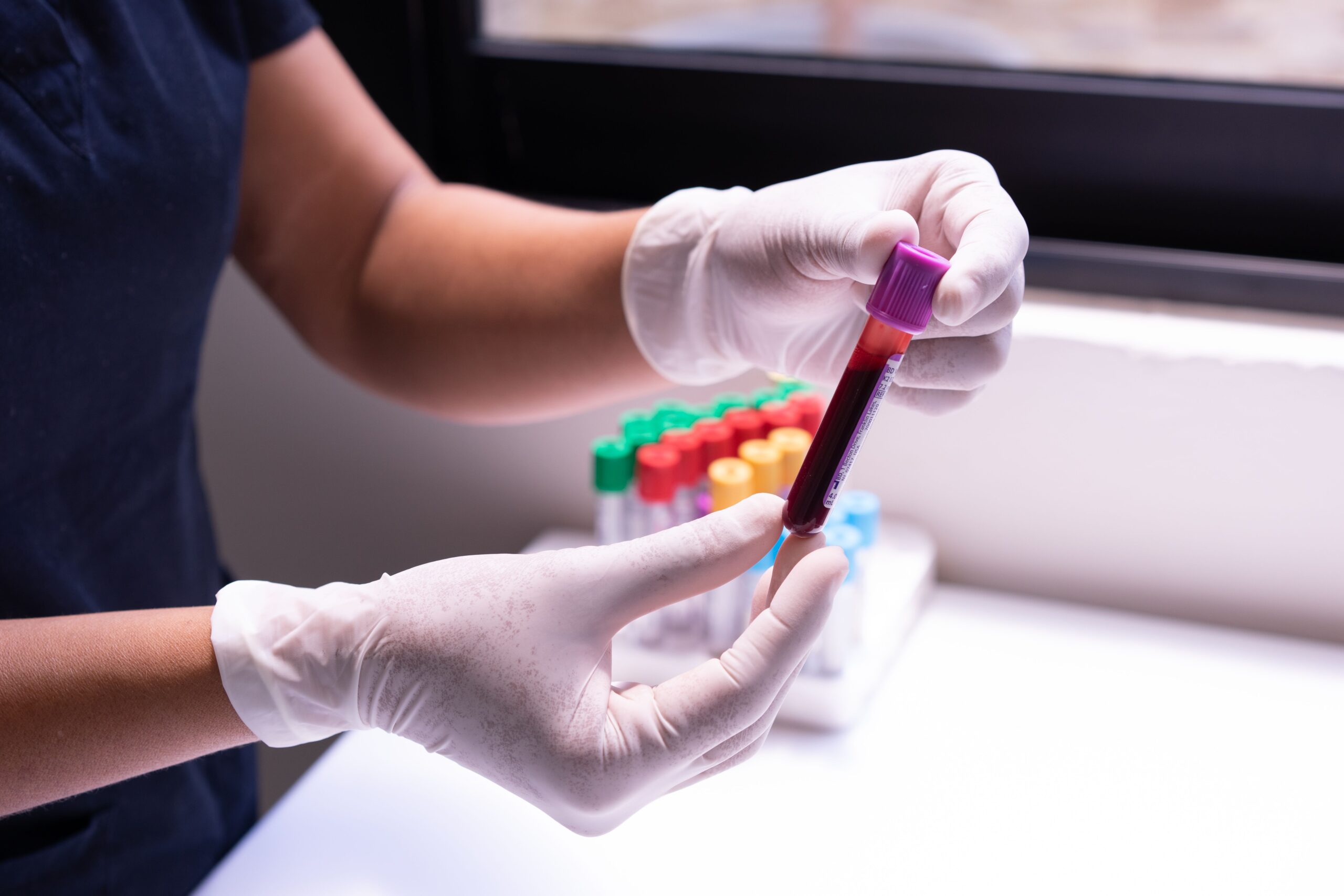
The non-invasive blood test detects cancer by analysing circulating tumour DNA (ctDNA) in the bloodstream. The study, which examined approximately 1,500 samples, has been published in the Proceedings of the National Academy of Sciences (PNAS).
According to Strand Life Sciences CEO Dr Ramesh Hariharan, the study demonstrated a low false-positive rate of approximately 1.4% and a sensitivity of around 70%, indicating that the test could detect nearly 70% of cancers included in the study.
He described it as the first study of its kind from India, although similar research has been conducted in the United States and China.
AI and DNA sequencing power cancer detection
CancerSpot combines DNA sequencing with artificial intelligence (AI) to identify methylation patterns, which are chemical modifications in DNA that help distinguish cancer cells from normal cells.
The technology also analyses DNA signatures to identify the potential tissue or organ where cancer originates. This could help doctors detect multiple cancer types through a single blood sample.
Interestingly, the study also identified a relationship between tumour-derived DNA and immune-cell-derived DNA in cancer patients. Both appeared to increase in synchrony, challenging the expectation that rising immune-cell DNA would dilute tumour DNA and make cancer detection more difficult.
However, early cancer detection requires a careful balance between identifying as many cancers as possible and minimising false-positive results that could lead to unnecessary invasive procedures.
Strand targets ₹10,000 price point
Currently, CancerSpot costs approximately ₹33,000. However, Strand Life Sciences aims to reduce the price to around ₹10,000 over the next two years, making multi-cancer early detection more accessible.
The test can detect approximately 14 cancer types, including lung cancer in non-smokers, stomach, gallbladder, pancreatic, liver, ovarian and oesophageal cancers. However, detecting brain cancer remains a challenge.
Meanwhile, the multi-cancer early detection market is attracting international players such as Guardant Health and Grail. With these companies also exploring opportunities in India, Strand aims to strengthen its presence through wider hospital partnerships and more affordable testing.
The company plans to focus on India, Asia, the Middle East and Africa, while continuing its business-to-business operations in the United States.
AstraZeneca partnership to explore healthcare opportunities
Separately, Strand Life Sciences has formalised a collaboration with AstraZeneca India to explore opportunities in healthcare. The two companies are investing in expanding access to Strand’s cancer treatment selection tests through partnerships with various state governments.
The initiative is already underway in Andhra Pradesh, with the companies exploring possibilities to extend the collaboration from treatment selection and screening to broader cancer screening programmes in the future. As reported by thehindubusinessline.com, the company aims to expand access to its multi-cancer early detection test while reducing costs to make cancer screening more affordable and accessible across India.