


















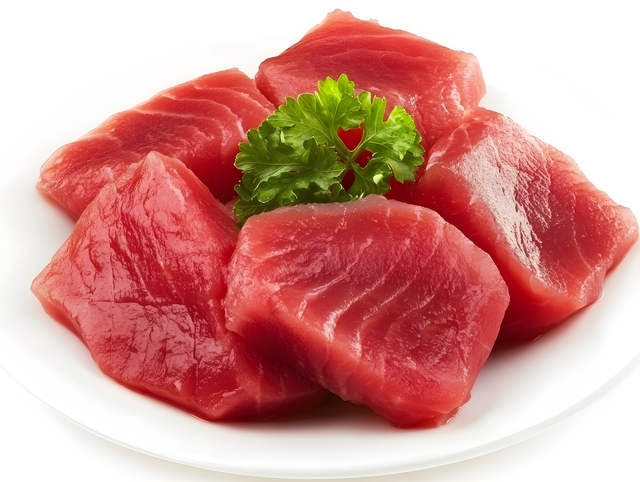
A sugar found naturally in red meat may help explain the link between red meat consumption and an increased risk of type 2 diabetes. A large observational study involving nearly 90,000 adults found that people with the highest intake of N-glycolylneuraminic acid (Neu5Gc) had a 63% higher risk of developing type 2 diabetes than those with the lowest intake. Presented at the European Association for the Study of Diabetes (EASD) Annual Meeting in Milan, the findings suggest that Neu5Gc may contribute to chronic inflammation, potentially increasing diabetes risk. However, researchers caution that the study does not establish a direct cause-and-effect relationship.
What Is Neu5Gc and How Does It Affect the Body?
Neu5Gc is a sugar molecule naturally produced by most mammals. Humans, however, lost the ability to produce it because of an evolutionary mutation in the CMAH gene. Nevertheless, people can absorb Neu5Gc through foods such as beef and lamb, which contain relatively high amounts of this molecule. Once absorbed, Neu5Gc can become incorporated into human tissues. Because the human body does not naturally produce it, the immune system may recognise the molecule as foreign and generate antibodies against it. Researchers believe this response may trigger prolonged inflammation, a process known as xenosialitis. Previous research has linked this mechanism to other diseases, prompting scientists to investigate whether it could also contribute to type 2 diabetes.
Nearly 90,000 Adults Participated in the Study
Researchers analysed dietary and health information from 89,953 adults participating in the French NutriNet-Santé study. Participants were approximately 42 years old on average, and 79% were women. None had diabetes or cancer when they joined the study. Participants completed three 24-hour dietary records, allowing researchers to estimate their Neu5Gc intake from different foods. Over a median follow-up period of 7.2 years, the team recorded 966 new cases of type 2 diabetes.
Higher Neu5Gc Intake Linked to Greater Diabetes Risk
The analysis revealed a significant association between meat-derived Neu5Gc intake and type 2 diabetes risk.
Compared with participants in the lowest intake group:
*Those in the highest group had a 63% higher risk of developing type 2 diabetes.
*Participants in the second-highest group had a 41% higher risk.
The association remained significant after adjustments for several factors, including age, physical activity, diet quality, smoking and existing health conditions. However, the association weakened and was no longer statistically significant when researchers additionally accounted for total red meat consumption. This means Neu5Gc’s independent contribution remains uncertain, and other components of red meat may also influence diabetes risk.
Could Chronic Inflammation Explain the Link?
Researchers suggest that immune reactions to Neu5Gc may contribute to chronic inflammation, potentially affecting insulin-producing cells or the body’s response to insulin. Such changes could increase diabetes risk even beyond the effects of excess body weight. Their analysis estimated that obesity accounted for approximately 13% of the observed association. However, further research is needed to establish whether inflammation directly explains the relationship. Interestingly, Neu5Gc from dairy products was not associated with increased diabetes risk, while higher total dietary Neu5Gc intake was associated with a 37% higher risk. The researchers believe the stronger association with meat-derived Neu5Gc warrants further investigation.
What the Findings Mean for Future Diabetes Prevention
The study is observational, so it cannot prove that Neu5Gc causes diabetes. Researchers also estimated dietary exposure from food records rather than measuring it directly, which may have introduced errors. Future studies will investigate Neu5Gc antibodies and interactions with other red meat components, including heme iron. Researchers also plan to explore whether replacing beef and lamb with poultry or plant-based proteins could reduce diabetes risk. As reported by sciencedaily.com, for now, the findings offer a potential explanation for the relationship between red meat consumption and type 2 diabetes. Further research must confirm the mechanism before Neu5Gc can be considered an independent risk factor or a target for prevention.