
















Researchers at City of Hope have identified an immune pathway that may contribute to radiation-induced lung damage and discovered a potential strategy to prevent it. Published in Nature Communications, the preclinical study reveals how radiation can change the behaviour of specific immune cells, triggering inflammation and scarring in healthy lung tissue. The findings could pave the way for new treatments that protect healthy lungs during cancer therapy, reduce long-term complications and improve patients’ quality of life. However, further research is necessary to determine whether this approach will be safe and effective in humans.
Radiation Therapy Can Damage Healthy Lung Tissue
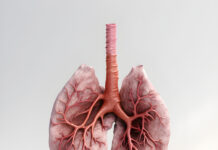
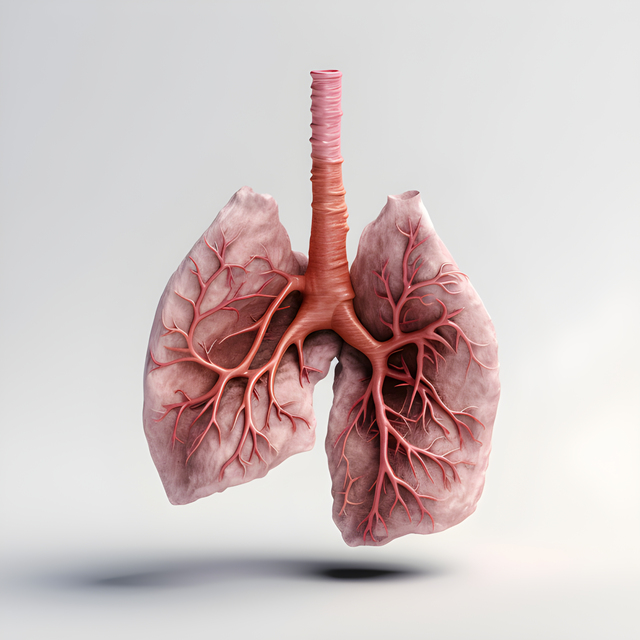
Radiation therapy plays an important role in treating lung cancer. According to the study’s report, approximately 230,000 Americans are diagnosed with lung cancer each year, and up to 70% of patients undergo radiation therapy at some point during treatment. Although radiation can help control cancer, it can also damage nearby healthy lung tissue. In some patients, this damage leads to persistent breathing difficulties, inflammation and pulmonary fibrosis, a condition in which scar tissue develops in the lungs and impairs their function. These complications can significantly reduce quality of life and may limit patients’ options for further cancer treatment. Therefore, understanding how radiation triggers lung injury could help researchers develop strategies to protect healthy tissue without compromising cancer treatment.
Radiation Changes the Behaviour of Immune Cells
The research team investigated the role of innate lymphoid cells (ILCs), a group of immune cells that help regulate inflammation and maintain tissue health. Heather McGee, M.D., Ph.D., corresponding author and an assistant professor in the departments of radiation oncology and immuno-oncology at City of Hope, explained that the team identified a previously unrecognised role for these cells in radiation-related lung injury. “Many researchers in our field study how radiation activates well-known immune cells such as T cells to fight cancer,” McGee said. “We are the first group to show that radiation also reprograms rare immune cells called innate lymphoid cells, and that these cells play a key role in driving damage to healthy lung tissue.” To investigate this mechanism, McGee’s laboratory developed a mouse model of radiation-induced lung injury. Using advanced techniques to track changes in the immune system, the researchers identified three major findings.
Interferon-Beta Triggers a Harmful Immune Response
First, the researchers observed that radiation changed the identity and function of innate lymphoid cells. In particular, radiation caused ILC2 cells, which normally help protect lung tissue, to adopt characteristics of ILC1 cells, which promote inflammation. Next, the team identified the signalling protein responsible for driving this change: interferon-beta (IFN-beta). Radiation increased IFN-beta levels, which acted as a molecular trigger that shifted protective ILC2 cells towards a more inflammatory ILC1 state. The researchers also observed similar biological changes in tests involving human innate lymphoid cells. McGee compared the process to a player switching teams, explaining that radiation-induced IFN-beta can redirect immune cells from protecting tissue to promoting inflammation. These findings offer new insight into how radiation can unintentionally activate immune responses that damage healthy lung tissue.
Blocking the Immune Pathway Reduces Lung Injury in Mice
After identifying the role of IFN-beta, the researchers investigated whether blocking its signalling pathway could prevent harmful immune cell changes. In experiments involving mice, disrupting the pathway reduced inflammation, limited lung injury and decreased fibrosis, which can cause permanent scarring of lung tissue. Jaeho Kim, M.D., Ph.D., first author of the study and a radiation oncology postdoctoral fellow at City of Hope, highlighted the potential clinical significance of the findings. “Our findings suggest that high levels of IFN-beta contribute to the development of lung damage during radiation and that blocking this signaling pathway could offer a potential treatment to reduce this debilitating side effect,” Kim said. Although the results are promising, the protective effects have so far been demonstrated in preclinical research. Additional studies must establish whether blocking IFN-beta can protect human lungs without interfering with radiation’s ability to control cancer.
Potential to Improve Cancer Treatment and Patient Outcomes
If future studies confirm the safety and effectiveness of this approach in humans, targeting the IFN-beta signalling pathway could offer a new way to reduce radiation-related lung complications. Such a strategy may eventually help doctors protect patients at greater risk of lung injury, including those with chronic respiratory conditions such as chronic obstructive pulmonary disease (COPD). It could also support the development of more flexible radiation treatment strategies when clinically appropriate. Ultimately, the study highlights the importance of understanding how the immune system responds to cancer therapy. By identifying how radiation transforms protective immune cells into drivers of inflammation, researchers have uncovered a potential target for preventing lung damage. As reported by Medical Xpress, further research will determine whether this discovery can translate into treatments that preserve healthy lung tissue while allowing patients to benefit from effective cancer radiation therapy.