




















Telangana Chief Minister Anumula Revanth Reddy announced plans to develop a dedicated health city near the Rajiv Gandhi International Airport. He stated that the state is also collaborating with the central government to establish a “green channel” for international patients travelling to India for treatment. This initiative aims to strengthen medical tourism and improve ease of access for global patients.
Inauguration of Advanced Apollo Facility
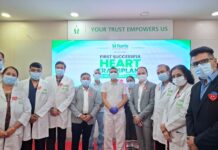
The announcement came during the inauguration of a 400-bed facility by Apollo Hospitals in Hyderabad’s Financial District. During the event, the Chief Minister highlighted that limited direct air connectivity remains a key challenge for medical tourism. However, the government plans to address this gap, although specific timelines have not yet been outlined.
Expanding Emergency and Public Health Infrastructure
Health Minister Damodar Rajanarsimha outlined several measures to strengthen healthcare infrastructure. He announced plans to expand ambulance services from 30 to 100 units. Additionally, the government will establish 40 trauma care centres across Hyderabad, ensuring that each facility falls within a 35-km radius for improved emergency response.
Furthermore, the state has set up non-communicable disease (NCD) clinics in every district. These centres provide medicines, diagnostic services, and specialist care. The minister also confirmed the launch of a cancer registry to track disease trends. Alongside this, the government has established daycare centres in multiple districts, including remote regions such as Mulugu and Adilabad.
Rising Burden of Non-Communicable Diseases
Meanwhile, the Health of the Nation 2026 report by Apollo Hospitals highlighted a growing burden of NCDs in Telangana. The data revealed that over 25% of individuals screened in Hyderabad were diabetic, with the figure rising to nearly 29% in Warangal. In addition, more than 81% of those screened were overweight or obese, while over 27% had hypertension. These figures further reinforce Telangana’s long-standing reputation as a diabetes hotspot.
NCDs Increasingly Affect Younger Population
Prathap C Reddy raised concerns about the growing impact of NCDs on younger populations. He stated that two out of three young individuals already suffer from at least one major condition—heart disease, stroke, diabetes, or cancer—often without being aware of it.
He attributed this trend to rapid urbanisation, sedentary lifestyles, high intake of refined carbohydrates, and low screening rates. While highlighting technological advancements, he noted that artificial intelligence can reduce heart attack diagnosis time from 60 minutes to just 10 minutes. However, he emphasized that clinical judgement remains essential.
Advanced Features of the New Facility
As reported by TOI, the newly inaugurated Apollo facility incorporates AI-assisted systems, robotic surgery capabilities, and an integrated emergency response network with helpline 1066. Additionally, it will provide 10,000 free health screenings for residents of Nanakramguda, thereby promoting early detection and preventive care.
Addressing Future Healthcare Needs
Looking ahead, A Revanth Reddy emphasized that India will require at least 50,000 additional hospital beds to effectively manage the rising burden of non-communicable diseases. Consequently, the state’s ongoing investments in healthcare infrastructure and technology aim to prepare for future demands while improving overall patient care.