






















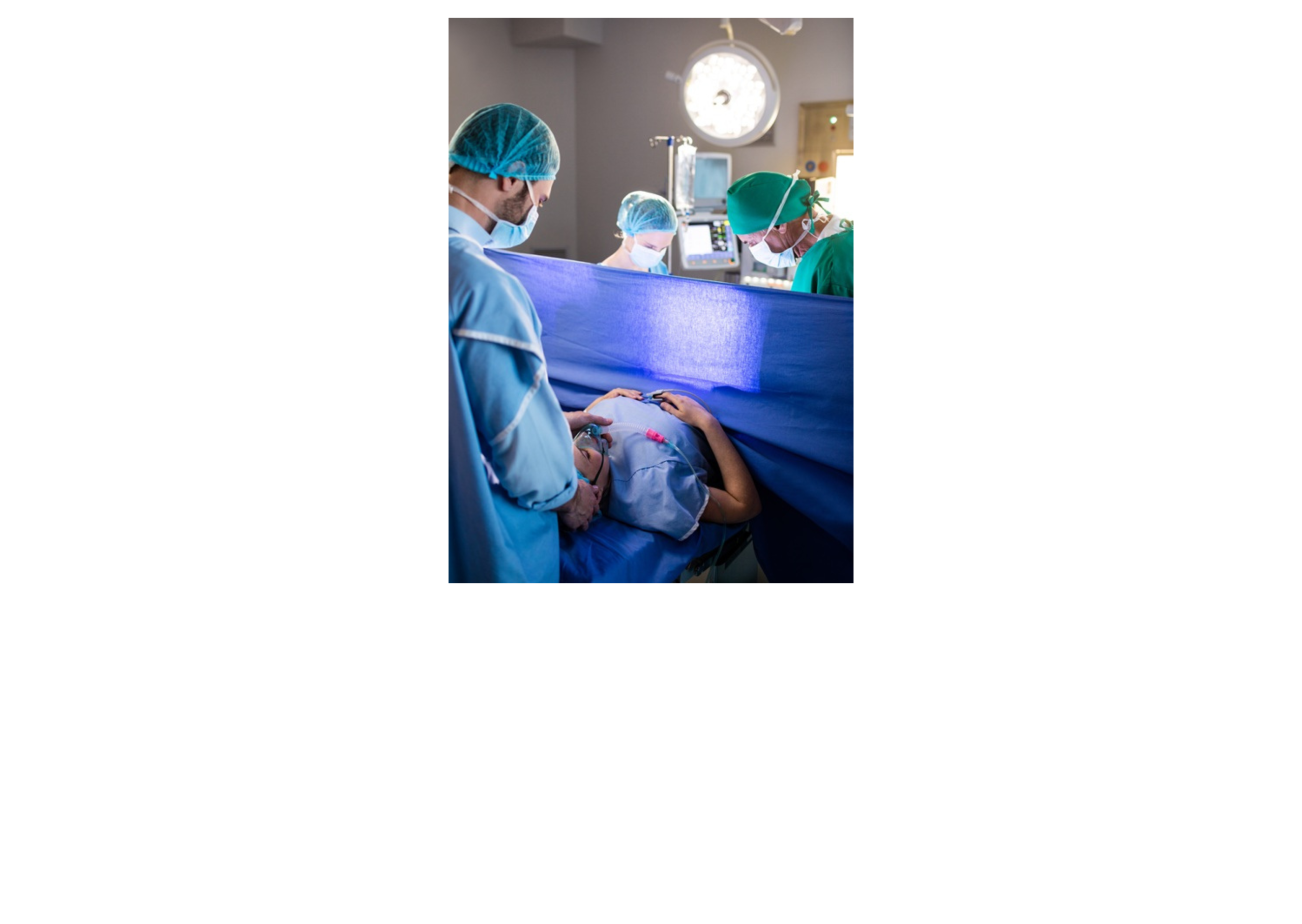
In a landmark medical achievement, doctors performed the UK’s first pioneering womb surgery to treat an unborn baby diagnosed with complex gastroschisis, a rare birth defect in which the intestines develop outside the baby’s abdomen. The innovative procedure has raised hopes for improving outcomes in severe cases that traditionally require multiple surgeries after birth.
Surgery Before Birth
The condition was detected during the mother’s routine 20-week pregnancy scan. Further evaluation confirmed a complex form of gastroschisis, prompting specialists to recommend an experimental foetal surgery. At 26 weeks of pregnancy, surgeons carried out a minimally invasive procedure that gently repositioned the baby’s exposed intestines back into the abdomen while the baby remained in the womb.
According to The Times of India, the surgery formed part of an international clinical trial involving specialists from the UK, Belgium, and the United States. The procedure aimed to reduce intestinal damage before birth and improve the baby’s recovery after delivery.
Promising Outcome
The baby was delivered three months later in good health and required significantly less medical intervention than is typically expected for babies born with severe gastroschisis. Doctors reported that the infant recovered well, was able to feed normally soon after birth, and was discharged from the hospital within a few days.
A New Direction in Foetal Medicine
Experts believe this breakthrough could transform the management of complex gastroschisis and pave the way for treating other congenital conditions before birth. If future clinical trials confirm its safety and effectiveness, the technique may eventually become a standard treatment option, offering better survival rates and improved quality of life for affected babies.