






















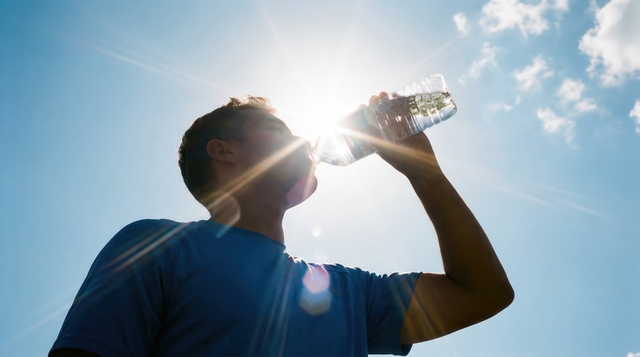
Recovering from major surgery may depend on more than surgical expertise and hospital hygiene. A patient’s living environment, particularly exposure to excessive heat in urban neighbourhoods, could also influence recovery, according to a large US study involving nearly 700,000 patients. Researchers found that higher urban heat island intensity was associated with a greater likelihood of patients failing to achieve an optimal surgical outcome. The findings highlight the potential role of environmental heat in post-surgical recovery and the need to consider patients’ home conditions during discharge planning.
Higher Urban Heat Linked to Poorer Surgical Outcomes
The study found that when urban heat island intensity exceeded 2.19°C, every additional 1°C was associated with an 8% increase in the odds of patients failing to achieve what researchers described as a “textbook outcome”. This outcome meant that patients experienced no complications, avoided a prolonged hospital stay and readmission, and survived for at least 30 days after surgery. The researchers identified patients undergoing cancer surgery, emergency procedures and high-cardiac-risk operations as particularly vulnerable to the potential effects of urban heat.
Urban heat islands occur when cities and densely built neighbourhoods retain more heat than surrounding areas. Buildings, roads and other surfaces absorb and release heat, while limited vegetation can reduce natural cooling. Consequently, patients recovering in hotter neighbourhoods may face additional environmental stress during an already demanding recovery period.
Heat Exposure May Increase Dehydration and Cardiovascular Stress
Excessive heat can increase fluid loss and disrupt the body’s fluid balance. For patients recovering from major surgery, these effects may add to the physiological stress associated with the procedure and potentially complicate recovery. Abhiyant Tiwari, Lead, Climate Resilience and Health at NRDC India, who was not associated with the study, said the connection between heat exposure and post-surgical recovery was plausible.n“Surgery already puts significant stress on the body and heat can add to that through increased fluid loss, dehydration and cardiovascular stress. So, the environment in which a patient recovers could potentially influence their outcomes,” he said. Dr Ajay Bhandarwar, Dean of JJ Group of Hospitals, noted that environmental conditions could potentially affect the recovery process. “Any factor that increases inflammation, raises dehydration risks and worsens cardiovascular and wound-healing stress may delay recovery,” he said. However, Dr Bhandarwar cautioned that substantial evidence establishing a direct link between extreme heat and delayed post-surgical recovery remains limited. He added that complications, particularly following major surgical procedures, could also explain delays in recovery.
Study Highlights the Burden of Post-Surgical Complications
The US study reported several adverse outcomes among the patients included in the analysis:
25.2% developed complications.
22.9% experienced a prolonged hospital stay.
14.8% were readmitted to hospital.
7.1% died within 30 days of surgery.
The findings were presented at the American College of Surgeons Clinical Congress 2026. As an observational study, the research identifies an association between urban heat island intensity and surgical outcomes; it does not, by itself, establish that higher temperatures directly cause poorer recovery.
Home Environment May Become Part of Discharge Planning
The findings also raise questions about how healthcare teams prepare patients to recover safely at home, particularly during periods of extreme heat. Timothy Pawlik of Ohio State University, the study’s senior author, highlighted the importance of assessing patients’ access to basic cooling and hydration facilities before discharge. “Do you have air-conditioning in your house? Do you have a fan? Are you going to be able to stay hydrated?” he asked, suggesting that such questions may increasingly need to become part of discharge planning during hot weather. Assessing home conditions could help healthcare teams identify patients who may need additional guidance or support during recovery. However, further research is necessary to determine which interventions would most effectively reduce heat-related risks after surgery.
India Needs Research on Heat and Surgical Recovery
Although the US findings raise important questions, experts caution against applying them directly to India, where climate, housing conditions and access to cooling facilities vary considerably. Tiwari pointed out that Mumbai experiences a distinct combination of high temperatures, humidity, housing conditions, ventilation challenges and unequal access to air-conditioning. “High humidity can make it harder for the body to cool itself, which makes India-specific research important to understand whether similar risks exist here and to what extent,” he said. As extreme heat becomes an increasingly important public health concern, India-specific studies could help establish whether urban heat exposure influences surgical recovery and identify the patients who may face the greatest risks. As reported by timesofindia.indiatimes.com, understanding the relationship between urban heat and post-surgical outcomes could help hospitals strengthen discharge planning and develop more climate-sensitive approaches to patient care.