





















A 72-year-old homemaker from Mumbai believed she was dealing with a routine digestive issue. For several months, she experienced persistent abdominal bloating, a feeling of heaviness, and swelling in both legs. Assuming these symptoms were linked to common health problems, she initially sought routine treatment. However, when the discomfort continued, she visited KIMS Hospitals, Thane, where doctors uncovered a far more serious condition.
Investigations Revealed a Massive Abdominal Tumour
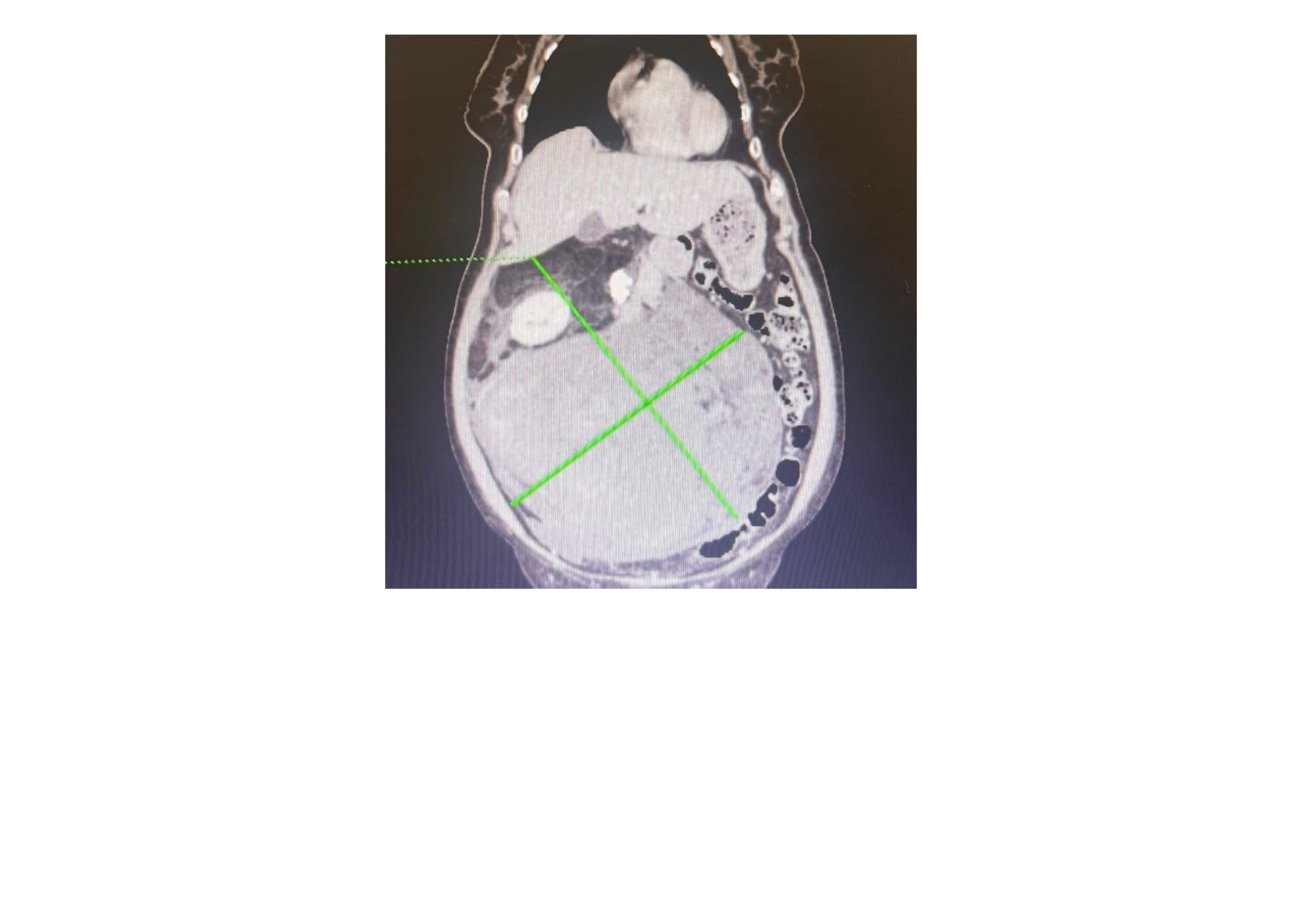
During the clinical examination, doctors detected a large mass occupying a significant portion of her abdomen. A CT scan performed the same day confirmed the presence of a massive tumour measuring nearly 30 cm. The tumour had silently grown over time, filling most of the abdominal cavity. It had completely engulfed the right kidney and had also become densely attached to a section of the large intestine.
Complex Surgery Was the Only Treatment Option
Dr. Saneya Pandrowala, Consultant GI & HPB Oncosurgery at KIMS Hospitals, Thane, led the treatment. She explained that the tumour’s size and extent left surgery as the only effective treatment.
“The tumour had grown to such an extent that it occupied almost the entire abdominal cavity. The right kidney was completely encased within the tumour, while the colon was densely stuck to it. Separating these structures without leaving tumour tissue behind was not possible,” said Dr. Pandrowala.
The medical team therefore planned a complex compartment resection, a procedure designed to remove the tumour in one piece along with the organs directly affected by the disease. During the surgery, Dr. Pandrowala and her team successfully removed the tumour, the affected right kidney, and the involved section of the colon to achieve complete tumour clearance.
A Rare Cancer Diagnosed After Surgery
The final specimen measured approximately 30 × 29 × 12 cm. Histopathological analysis identified it as a low-grade retroperitoneal liposarcoma, a rare cancer that develops in the deep tissues of the abdomen.
As per the hospital press release, these tumours usually grow slowly and often produce vague symptoms such as bloating, abdominal fullness, heaviness, or changes in appetite. Because the abdominal cavity provides ample space for expansion, these cancers can reach a very large size before they are detected.
Complete surgical removal remains the cornerstone of treatment for retroperitoneal liposarcoma. When surgeons can remove the tumour entirely, the procedure offers the best chance of long-term disease control.
Recovery and an Important Health Message
Although the patient had diabetes, she remained active and regularly cared for her children and grandchildren before the diagnosis. Following the major surgery, she gradually recovered, regained her strength, and returned to her daily routine. She now continues regular follow-up with periodic scans.
Dr. Pandrowala emphasized the importance of paying attention to persistent symptoms.
“Constant bloating, abdominal heaviness, or simply feeling that something is not right should never be ignored, especially when these symptoms keep recurring. While such complaints are often associated with common digestive problems, they can sometimes be the first sign of a serious underlying condition. Early evaluation can make a significant difference.”