






















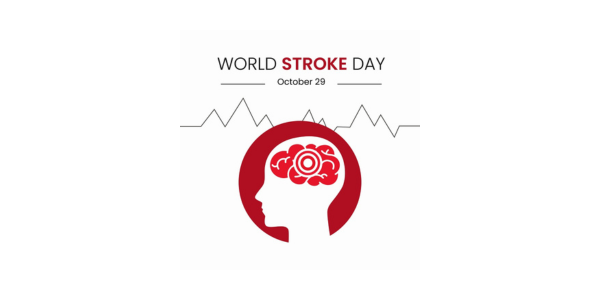
India is witnessing an alarming rise in stroke incidence, with over 1.25 million new cases reported in 2021—an increase of 51% since 1990. The prevalence has more than doubled, placing India among the top global contributors, accounting for 10% of all stroke cases worldwide. According to a Lancet Neurology study, over 75% of stroke victims live in low- and middle-income countries, where air pollution, hypertension, diabetes, and lifestyle factors significantly contribute to the growing burden.
World Stroke Day, officially established in 2004, aims to raise global awareness about stroke prevention, recognition, and treatment. The 2025 theme, “Every Minute Counts,” highlights the urgency of swift action—since each minute of delay during a stroke can result in irreversible brain damage and long-term disability.
Stroke remains a leading cause of disability and the second leading cause of death globally. It occurs mainly as an ischemic stroke (arterial blockage), hemorrhagic stroke (vessel rupture), or transient ischemic attack (TIA), a temporary “mini-stroke” that signals future risk.
Major Risk Factors
- High Blood Pressure (Hypertension): The most critical modifiable risk factor, increasing both ischemic and hemorrhagic stroke risk.
- Heart Disease: Atrial fibrillation and cardiac dysfunction can cause emboli that block brain arteries.
- Diabetes Mellitus: Chronic high blood sugar damages blood vessels and accelerates clot formation.
- High Cholesterol: Promotes plaque buildup, narrowing arteries and impairing blood flow.
- Lifestyle Factors: Smoking, excessive alcohol intake, obesity, and physical inactivity elevate stroke risk.
- Age and Family History: Risk doubles every decade after age 55 and is higher in those with a family history of stroke or TIA.
- Previous Stroke or TIA: Greatly increases recurrence risk if underlying causes remain uncontrolled.
Recognizing Stroke: The BE FAST Approach
Early identification is vital. The BE FAST acronym aids quick recognition:
B – Balance: Sudden loss of coordination
E – Eyes: Sudden vision changes
F – Face: Drooping on one side
A – Arms: Weakness or numbness
S – Speech: Slurred or confused speech
T – Time: Act immediately—call emergency services
Prevention and Management
Preventive care focuses on controlling blood pressure, blood sugar, and cholesterol, quitting tobacco, maintaining a healthy weight, and ensuring adequate sleep and physical activity.
Timely diagnosis using CT or MRI, and early treatment with thrombolysis or mechanical thrombectomy, can significantly improve recovery chances. Comprehensive rehabilitation—including physiotherapy, occupational and speech therapy, and psychological support—helps patients regain independence and quality of life.
Expert Insights:
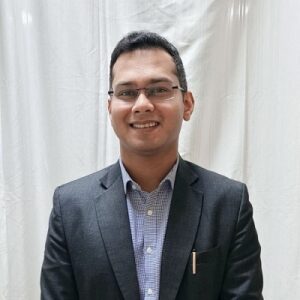
Dr. Bharat Rastogi, Associate Consultant, Department of Neurology, Max Saket Hospital and Sir Ram Ganga Hospital:
“Cerebrovascular health is central to preserving cognitive function, neurological integrity, and overall quality of life. The brain accounts for just 2% of body weight but consumes around 20% of the body’s oxygen and energy supply, making uninterrupted blood flow essential. Cerebrovascular diseases—ranging from ischemic stroke to transient ischemic attacks and hemorrhagic events—are leading causes of long-term disability and death globally.
The health of the cerebral vasculature is influenced by a combination of modifiable and non-modifiable factors. Hypertension, diabetes, hyperlipidemia, smoking, obesity, and sedentary lifestyles significantly increase the risk of vascular injury and stroke. On the other hand, age and genetic predisposition also play roles, although they cannot be changed. Effective management of modifiable risk factors through lifestyle intervention, pharmacologic treatment, and patient education remains the cornerstone of prevention.
Advancements in neuroimaging, early intervention protocols such as thrombectomy and thrombolysis, and ongoing research into neurovascular biomarkers have improved outcomes, but the most effective strategy remains prevention. Public awareness campaigns and accessible healthcare systems are vital in ensuring early detection and consistent management of risk.
Importantly, the connection between cerebrovascular health and neurodegenerative diseases such as vascular dementia and Alzheimer’s disease is becoming increasingly clear. Chronic microvascular damage can impair blood–brain barrier integrity and cerebral perfusion, contributing to cognitive decline. Therefore, promoting cerebrovascular health is not only about preventing stroke but also about preserving long-term brain function.
In clinical practice, we must shift our focus toward proactive cerebrovascular care, integrating multidisciplinary strategies that address both cardiovascular and neurological well-being. Cerebrovascular health is brain health—and investing in it is investing in a longer, healthier life.”
Neurosurgeon Dr. Vishwanathan Iyer from Zynova Shalby Hospital, Mumbai:
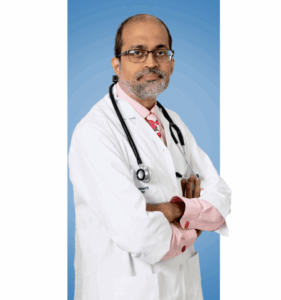
“The causes of stroke in young adults include smoking, alcohol consumption, junk food, lack of exercise, stress, long working hours, and uncontrolled hypertension and diabetes. Complications can lead to paralysis, memory loss, speech impairment, and long-term disability. We are seeing nearly a 50% spike in stroke cases among young adults—five out of ten patients under 40 present with symptoms such as face drooping, arm weakness, and speech difficulty. Alarmingly, 80% of these individuals are unaware of their health status, neglecting regular checks of blood sugar, blood pressure, and cholesterol, which significantly elevate their risk.”
He emphasizes that timely action is critical:
“Immediate treatment within the first 4.5 hours can make the difference between recovery and permanent disability. Quick hospital admission and clot-busting drugs can save brain function and improve survival rates. Prevention through lifestyle control, regular check-ups, and awareness is key to safeguarding young adults’ health.”
Dr. Chhya Vaja, Internal Medicine Expert at Apollo Spectra, Mumbai:
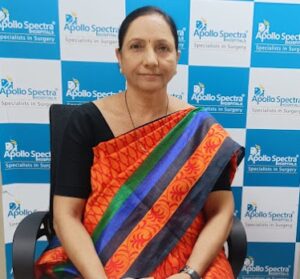
“Stroke incidences are surging due to high blood pressure, elevated blood sugar, stress, lack of physical activity, and family history. There has been a sharp 30% rise in cases among young adults, with nearly 3 out of 10 patients under 40 reporting key symptoms. Half of these individuals remain unaware of their underlying risks. A stroke is a medical emergency—remember, ‘Time is Brain.’ Early diagnosis and prompt medical care with clot-busting medicines, thrombectomy, and timely rehabilitation can prevent severe disability and restore quality of life.”
Gaurav Verma, Chief Business Officer, PharmEasy (API Holdings):
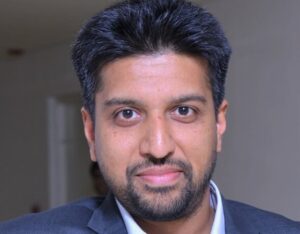
“Stroke continues to be one of the leading causes of death and disability in India—and much of it is preventable. Metabolic health plays a silent but crucial role in stroke risk. Regular monitoring and control of blood pressure, blood sugar, and lipid levels, coupled with healthy lifestyle changes, can significantly reduce future complications. At PharmEasy, our mission is to make healthcare and preventive screening simple, affordable, and accessible for everyone.”
Dr. Preet Kaur, Vice President, Lab Operations, Engineering & Quality at Thyrocare:
“Every two seconds, someone in the world suffers a stroke, yet most strokes are preventable. Early detection and small lifestyle changes can make a world of difference. Know your risk. Get tested. Know your numbers — blood pressure, sugar, cholesterol — because prevention starts with awareness. A stroke is beatable when we act together: by spreading awareness, encouraging screenings, and responding fast. Preventive health checks reveal silent risk factors like hypertension, diabetes, and high cholesterol. From screening to diagnosis, we stand by you in every critical minute — because every test counts.”
Engaging the Medical Community
To continue advancing awareness, education, and innovation in stroke care, several key national conferences and academic programs are bringing together neurologists, neurosurgeons and researchers across India.
Upcoming and Recent Events
- NSICON 2025: The 73rd Annual Conference of the Neurological Society of India will be held from December 10–14, 2025, at the Brilliant Convention Centre in Indore, notes the Neurological Society of India and Nsicon2025.
- SIONCON 2025: The 73rd Annual Conference of the Neurological Society of India (SIONCON 2025) will take place from November 14–16, 2025, at the NIMHANS Convention Center in Bengaluru.
- Stroke Summer School 2025 (Kolkata): Held from August 29–30, 2025, this event focused on comprehensive stroke education and research, reports the Indian Stroke Association.
- Indian National Stroke Conference (INSC) 2024: Organized in Kolkata from March 28–31, 2024, by the Indian Stroke Association in collaboration with the Bangur Institute of Neurosciences and Stroke Foundation – PROBAHO.
- National Stroke Summit: Supported by the Indian Stroke Association, this summit focused on innovation, partnership, and policy in stroke care.
Where to Find More Information
- Indian Stroke Association: A key resource for stroke-related events and education in India.
- Neurological Society of India: Lists upcoming national conferences and research opportunities.
- Omnicuris: Offers online CME and CPD opportunities related to neurology.
References:
- https://www.world-stroke.org/
- https://www.bmc.org/news/world-stroke-day-2025
- https://www.stroke.org/en/about-the-american-stroke-association/world-stroke-day
- https://www.pacehospital.com/world-stroke-day-29-october
- https://www.ndtv.com/health/world-stroke-day-2025-top-6-risk-factors-that-increase-stroke-chances-9528842
- https://www.downtoearth.org.in/health/global-stroke-rates-climb-india-faces-51-spike-in-cases-over-30-years-lancet
- https://newsmeter.in/science-health/world-stroke-day-275-cases-per-lakh-reported-in-telugu-states-docs-warn-of-alarming-rise-among-youth-757215
- Press releases