






















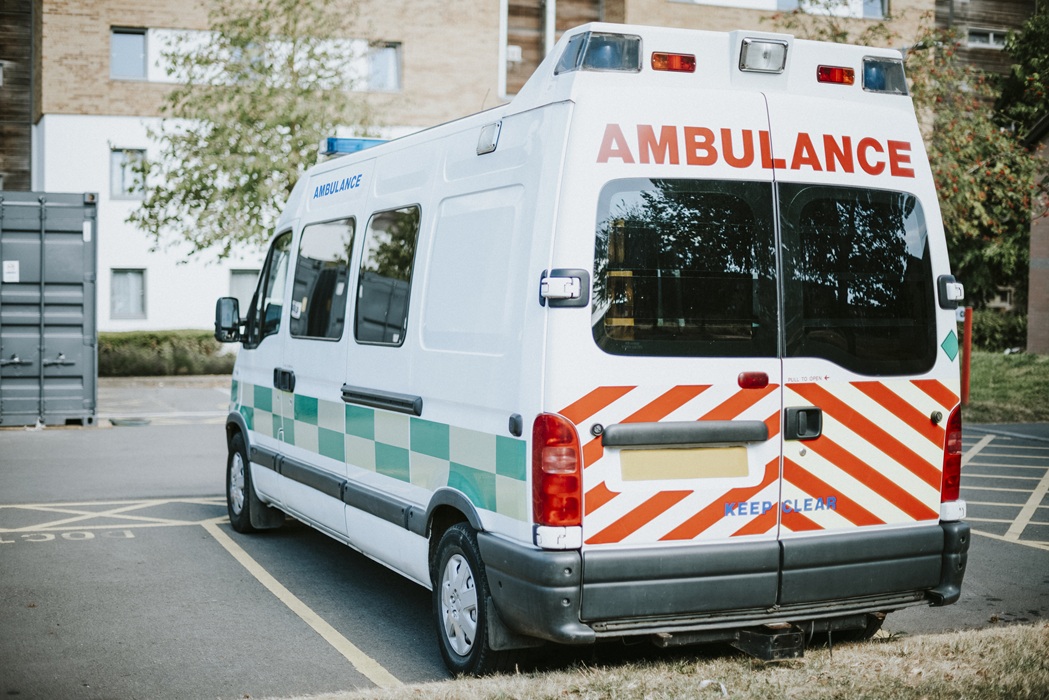
Ambulance services form the backbone of emergency healthcare. However, in India, delays and inadequate medical support inside ambulances continue to raise serious concerns about patient survival during critical situations.
Delayed Emergency Response
Timely arrival is crucial during medical emergencies. Yet, ambulances often fail to reach patients within the expected time window. This delay reduces the chances of survival, especially in trauma, cardiac arrest, and accident cases.
Moreover, response time varies widely across regions, with urban congestion and rural accessibility further worsening the situation.
Lack of Proper Equipment and Medical Support
In addition to delays, many ambulances operate without essential life-saving equipment. Several vehicles function only as transport services rather than mobile emergency care units.
They often lack:
- Trained emergency medical technicians (EMTs)
- Oxygen support systems
- Cardiac and trauma care equipment
- Basic life support (BLS) infrastructure
As a result, patients frequently receive minimal or no medical intervention during transit.
Systemic Challenges in EMS Infrastructure
The emergency medical services (EMS) ecosystem in India faces structural issues. Fragmentation across public and private operators leads to inconsistent service quality.
Furthermore, coordination gaps between dispatch systems and hospitals contribute to inefficiencies. Staffing shortages and limited training also reduce the effectiveness of pre-hospital care.
Expert and Industry Observations
The concerns are not new. Healthcare experts and industry stakeholders have repeatedly highlighted that ambulances in India often fail to function as true emergency care units.
As reported by Economic Times, emergency response systems in India remain underdeveloped, with ambulances frequently arriving late and lacking critical equipment needed for life-saving care.
Real-World Impact on Patients
These gaps directly affect patient outcomes. Even a few minutes of delay can become life-threatening in emergencies such as stroke, heart attack, or severe accidents.
Consequently, the “golden hour” of emergency care is often lost, reducing survival chances and increasing complications.
Need for Systemic Reform
To improve outcomes, India’s EMS system requires urgent upgrades. Key improvements include:
- Faster dispatch and GPS-enabled tracking systems
- Mandatory equipment standards for all ambulances
- Training and certification of paramedics
- Integration of technology for real-time coordination
- Stronger regulatory oversight and enforcement
Conclusion
In conclusion, while India has expanded its healthcare infrastructure, ambulance services still struggle with delays and inadequate medical readiness. Strengthening emergency response systems is essential to ensure timely care and improve survival rates during critical medical situations.