













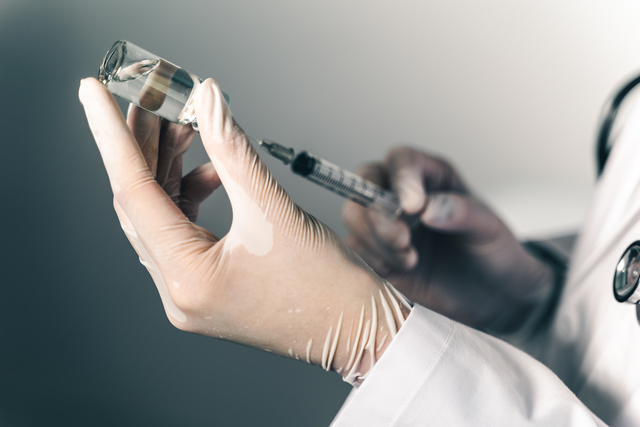
Bharat Biotech International Limited (BBIL) has announced an equitable pricing agreement with Gavi, the Vaccine Alliance, and UNICEF to reduce the cost of the RTS,S/AS01 malaria vaccine, developed by GSK and manufactured by BBIL under the brand name Mosqivac. Under the agreement, UNICEF will implement a price reduction of approximately 40%, supported financially by Gavi. The initiative is expected to generate around US$50 million in savings for childhood immunisation programmes between 2027 and 2029. Furthermore, these savings could enable up to one million additional children to receive the complete four-dose vaccine course.
Malaria Vaccine Price to Fall to EUR 5.50 per Dose
The agreement, supported by an advance payment through the International Finance Facility for Immunisation (IFFIm), will reduce the vaccine price to EUR 5.50 per dose, approximately 40% below the current price. The new price is expected to take effect by early 2027. This initiative also aims to establish a sustainable and competitive malaria vaccine market, making immunisation more affordable for countries and global health programmes.
Bharat Biotech and GSK Invest US$200 Million to Expand Supply
Developed by GSK, PATH and their partners, RTS,S/AS01 became the first malaria vaccine recommended by the World Health Organization (WHO) in 2021. Since then, GSK and Bharat Biotech have invested US$200 million in manufacturing infrastructure, product development and technology transfer. These investments have helped increase production capacity, strengthen supply chains and support more affordable access to the vaccine.
Bharat Biotech Highlights Commitment to Affordable Vaccination
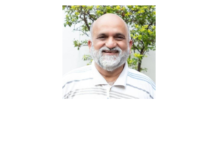
Dr. Krishna Ella, Executive Chairman of Bharat Biotech International Limited, said the Gavi-UNICEF agreement represents a significant commitment to expanding malaria vaccination. According to estimates from Gavi and UNICEF, the agreement could help protect one million additional children against malaria. He added that Bharat Biotech has invested significantly in expanding supply, strengthening manufacturing capabilities and supporting sustainable, affordable access to malaria vaccines. Dr. Ella also emphasised the importance of accelerating vaccine introductions in eligible countries. He said governments and international organisations must work together to ensure that more children and vulnerable communities benefit from vaccination and to reduce the global malaria burden.
GSK Emphasises Global Health Partnerships
Dr. Harmony P. Garges, GSK’s Chief Global Health Officer, said the agreement builds on major investments by GSK and Bharat Biotech to secure long-term, equitable access to RTS,S/AS01. She highlighted the importance of collaboration between international organisations, manufacturers and national health programmes, particularly as global health resources face increasing pressure. According to Dr. Garges, such partnerships can help deliver meaningful public health benefits to children most at risk of malaria.
Malaria Vaccine Demand Exceeds Initial Projections
Demand for malaria vaccines has exceeded initial forecasts since the rollout began in 2024. To date, UNICEF has procured and delivered more than 74 million doses. Meanwhile, the Gavi-funded malaria vaccination programme has become part of routine immunisation in 25 African countries. Together, these countries account for more than 70% of the global malaria burden. Against a backdrop of declining international aid funding, affordable and reliable vaccine supplies have become increasingly important. Consequently, the global effort aims to vaccinate an additional 50 million children against malaria by 2030.
Malaria Continues to Cause Significant Child Mortality
Malaria remains a major global public health challenge, particularly in Africa, where young children face the highest risk. According to the figures cited in the announcement, the disease caused an estimated 282 million cases and 610,000 deaths worldwide in 2024. Africa accounted for up to 95% of cases and deaths, while children under five represented approximately 74% of malaria deaths. Globally, malaria claims nearly half a million lives annually, with a child dying from the disease approximately every minute.
Four-Dose Vaccine Course Helps Reduce Malaria Cases
A complete four-dose course of RTS,S/AS01 can reduce malaria cases by approximately 75% when administered seasonally in areas with high seasonal transmission. In addition, new and improved malaria vaccines could become increasingly important as climate change affects disease transmission. Rising temperatures may extend malaria into new regions, while floods and other extreme weather events can displace communities, damage infrastructure and disrupt healthcare services. However, vaccination remains one component of a comprehensive malaria-control strategy. Other essential interventions include insecticide-treated bed nets, spatial emanators, repellents, vector-control measures, preventive medication, prompt diagnosis and timely treatment. As reported by expresspharma.in, by lowering vaccine costs and strengthening supply, the Gavi-UNICEF agreement aims to expand childhood immunisation and improve access to malaria prevention in the countries that need it most.