






















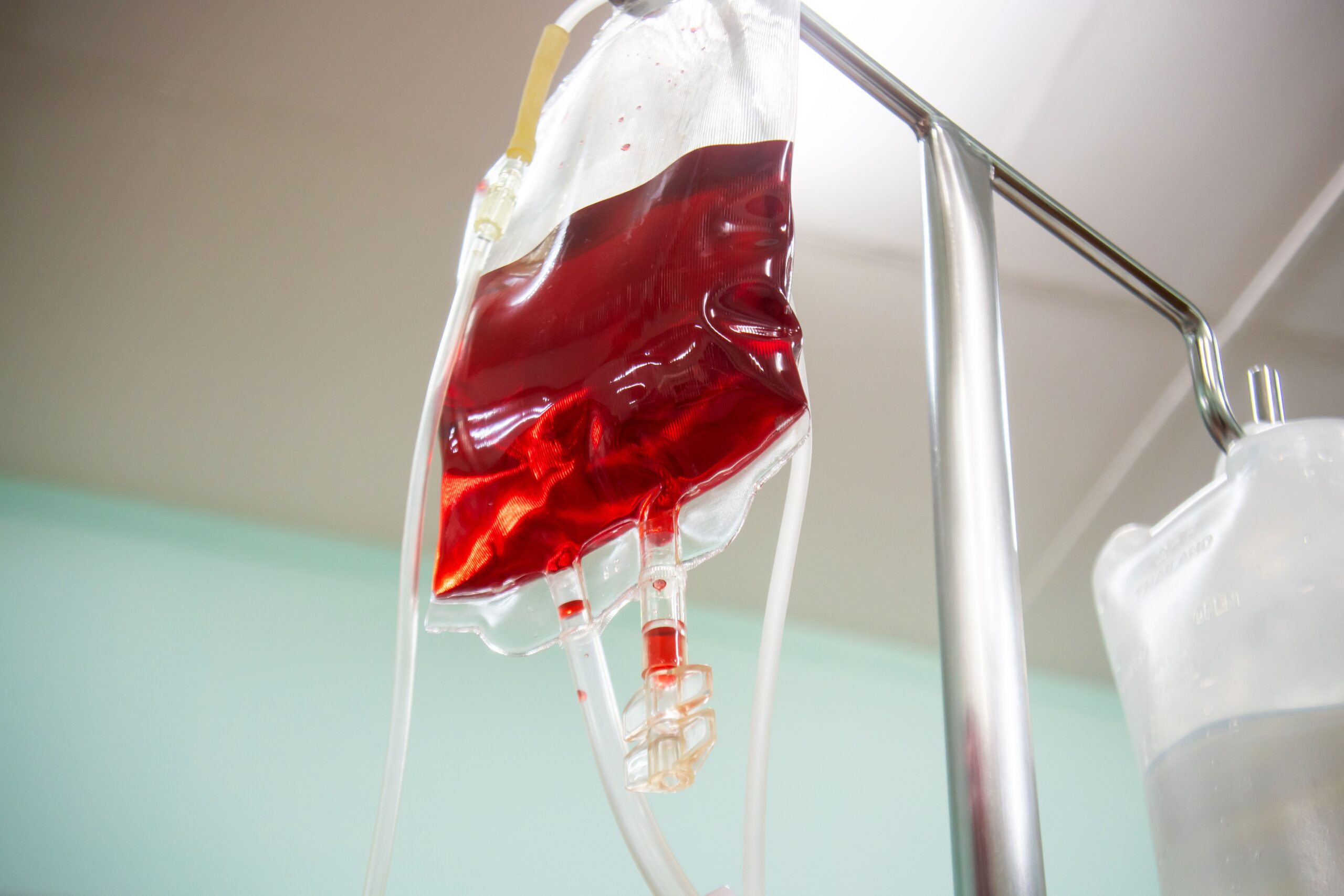
Hospitals across Mumbai are facing a shortage of blood, raising concerns over delays in surgeries and the treatment of patients requiring regular transfusions. Tata Memorial Hospital and several other healthcare centres have appealed to the public to donate blood, particularly O-positive and B-positive groups, to maintain essential services.
Tata Memorial Hospital Appeals for Blood Donations
Tata Memorial Hospital Director Dr C. S. Pramesh issued an urgent appeal on social media, urging individuals and housing societies to organise blood donation camps. He also offered to arrange on-site camps to encourage more people to donate.
Dr Pramesh said the shortage could disrupt routine surgeries at the hospital. Tata Memorial performs around 35–40 surgeries daily and has managed to continue services so far. However, he warned that the situation could become difficult in the coming weeks, potentially affecting nearly half of the planned surgeries if the shortage persists. Although the hospital faces a shortage of several blood groups, O-positive and B-positive are particularly difficult to source.
Diwali Vacations Contribute to Blood Shortage
According to Anil Gare, a retired blood bank official and blood donation camp organiser, blood shortages are common during this period as many people leave Mumbai for Diwali holidays. Consequently, fewer blood donation camps take place, while public participation also declines.
The shortage has also affected patients at private hospitals. Dr Vivek Talaulikar, COO (Western Region) at Nanavati Max Hospital, said some surgeries had to be postponed due to inadequate blood supplies. The hospital has encouraged staff members and patients’ relatives to donate blood while also approaching other blood banks to procure blood and blood products.
Thalassemia Patients Among the Worst Affected
The shortage poses a serious concern for children with thalassemia, who require regular blood transfusions to manage their condition. Major public hospitals, including Nair, Sion and KEM, collectively have around 300 children with thalassemia requiring transfusions almost every fortnight.
A children’s hospital official said it manages approximately 350 children with thalassemia who depend on regular blood supplies. Delayed transfusions can cause their blood counts to drop, potentially increasing the amount of blood required to stabilise their condition.
Meanwhile, Sion Hospital is also struggling to meet its daily requirement of 90–120 units. Its blood centre recently collected only 14 units during a donation camp due to poor public response. As a major trauma care centre, the hospital needs adequate blood supplies to manage accident and emergency cases.
State Authorities Step Up Efforts
Dr Suhas Mohnalkar, Director of the State Blood Transfusion Council, acknowledged that the shortage extends across Maharashtra, largely due to reduced donations during the Diwali holidays.
To address the situation, hospital social workers attached to blood centres have been instructed to coordinate with social organisations and identify opportunities to organise more blood donation camps. He also said that the J J Mahanagar blood bank, which had been closed by the Food and Drug Administration (FDA) over violations, had resumed operations and was available to supply blood stocks.
Experts have also raised concerns that new FDA rules restricting social, political and religious organisations from independently organising blood donation camps could further affect collections. These organisations have traditionally played an important role in mobilising donors and conducting large-scale camps.
Conventionally, Mumbai’s seasonal blood shortage continues until the end of November, making public participation in blood donation drives particularly important during this period. As reported by hindustantimes.com, hospitals across Mumbai are appealing to voluntary donors to help address the shortage and ensure uninterrupted patient care.