















How has India accelerated its fight against tuberculosis (TB)? According to the World Health Organization’s (WHO) Global Tuberculosis Report 2026, India has reduced TB deaths by 38 per cent since 2015, exceeding the global decline of 35 per cent.
The country’s estimated TB mortality rate dropped from 28 deaths per lakh population in 2015 to 18 per lakh in 2025. India also reported a treatment success rate of 94 per cent among patients with drug-susceptible TB.
The government attributes this progress to expanded screening, faster diagnosis, improved treatment access and nutritional support.
How is India strengthening TB screening?
Under the TB Mukt Bharat Abhiyaan, the government has expanded screening across high-priority districts and vulnerable populations.
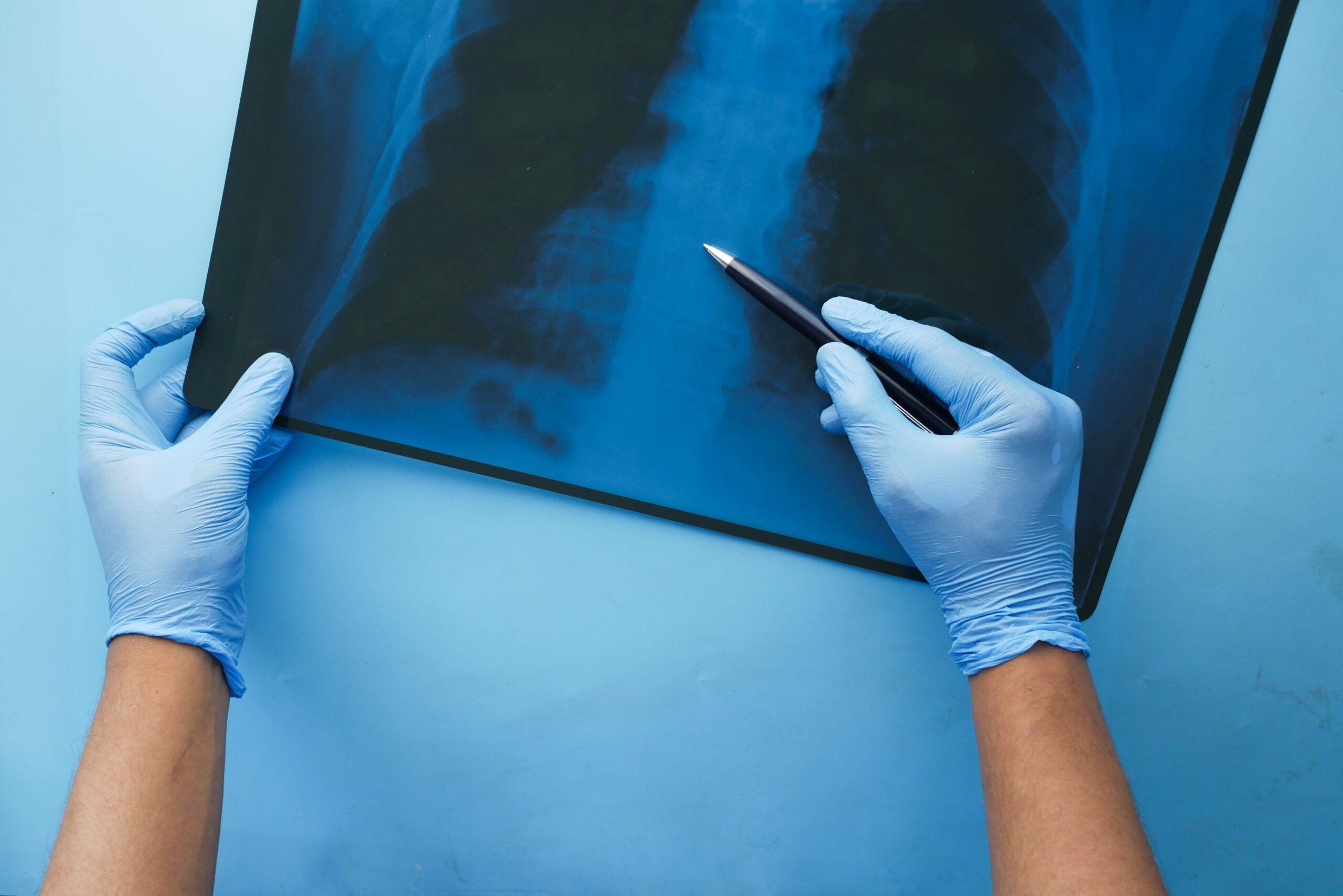
Between December 7, 2024, and November 8, 2026, more than 25 crore people were screened through the campaign. This included over 11 crore chest X-rays and three crore nucleic acid amplification tests (NAAT). The campaign identified 48.64 lakh TB patients, including 14.97 lakh people without symptoms.
How are technology and nutrition supporting TB treatment?
The government is using AI-enabled portable digital X-ray machines and molecular diagnostic tests to improve early detection. AI tools also help identify high-burden regions and patients at risk of poor treatment outcomes.
Additionally, the Ni-kshay digital platform helps track patients and monitor treatment progress, while the AI-powered Khushi chatbot supports patient engagement.
Nutritional assistance is another key component. Under the Ni-kshay Poshan Yojana, TB patients receive financial support for nutrition, while the Ni-kshay Mitra initiative encourages individuals and organisations to provide nutritional and psychosocial assistance.
Is India on track to eliminate TB?
India is also encouraging community participation through its Jan Andolan approach, involving local bodies, healthcare providers, civil society organisations and youth volunteers. The government reported that 67,933 panchayats were declared TB-free in 2025.
Meanwhile, a nationally representative TB prevalence survey conducted in 2025 by the Indian Council of Medical Research’s National Institute for Research in Tuberculosis is undergoing technical discussion with the WHO. Its findings are expected to provide a clearer picture of India’s TB burden.
Although India has made progress, continued efforts in screening, early diagnosis, preventive treatment and patient support remain essential to achieving TB elimination. As reported by The Hindu BusinessLine, India is strengthening its TB elimination efforts through improved diagnosis, treatment and community participation.