






















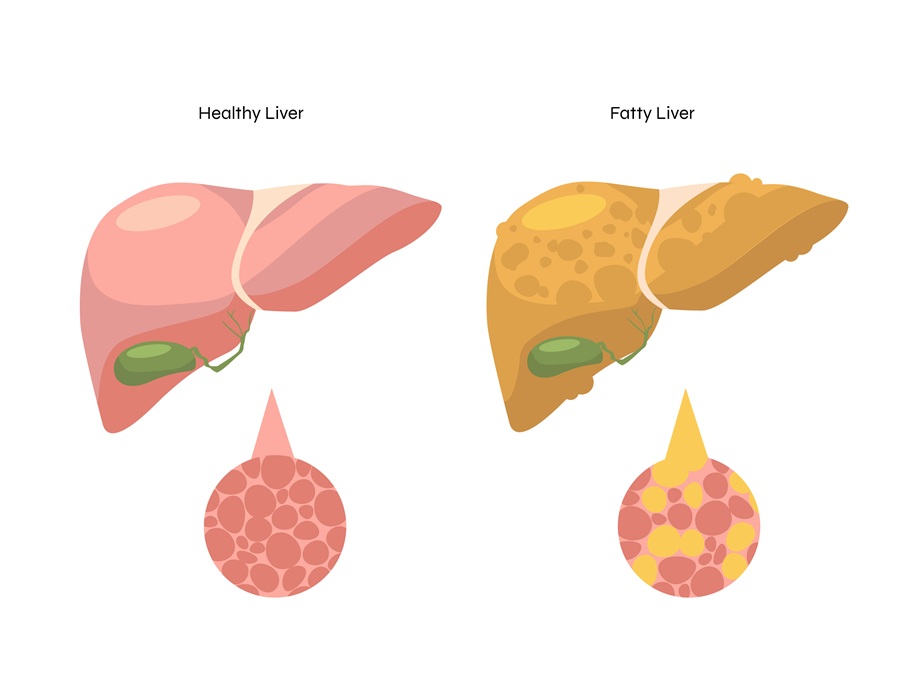
Fatty liver disease has emerged as India’s fastest-growing liver health challenge, overtaking viral hepatitis as the leading concern, according to experts from AIIMS, New Delhi. While hepatitis B and C continue to pose a significant public health burden, doctors say obesity, diabetes, unhealthy diets and sedentary lifestyles are driving a sharp increase in metabolic dysfunction-associated steatotic liver disease (MASLD), commonly known as fatty liver disease.
One in Three Indians May Be Affected
AIIMS specialists estimate that nearly one in three Indians has fatty liver disease, with around 35% of children also showing signs of the condition. Although the disease often remains symptom-free in its early stages, untreated fatty liver can progress to liver fibrosis, cirrhosis and even liver cancer.
According to The Print, experts stressed that liver disease in India is no longer driven by viral infections alone. Instead, changing lifestyles, excessive calorie intake, alcohol consumption and metabolic disorders have become major contributors to chronic liver damage.
Prevention and Early Detection Are Key
Doctors emphasised that both viral hepatitis and fatty liver disease are largely preventable. They urged people to maintain a healthy weight, exercise regularly, eat a balanced diet, avoid excessive alcohol consumption and undergo timely screening, especially if they have diabetes or obesity. They also highlighted the importance of hepatitis B vaccination and early testing for hepatitis B and C to reduce the risk of serious liver complications.
Call for Greater Public Awareness
Experts believe India must strengthen awareness, screening and preventive healthcare to address the growing burden of liver disease. They noted that lifestyle changes, combined with early diagnosis and timely medical intervention, can significantly reduce the risk of advanced liver disease and help achieve the World Health Organization’s goal of eliminating viral hepatitis as a public health threat by 2030.