














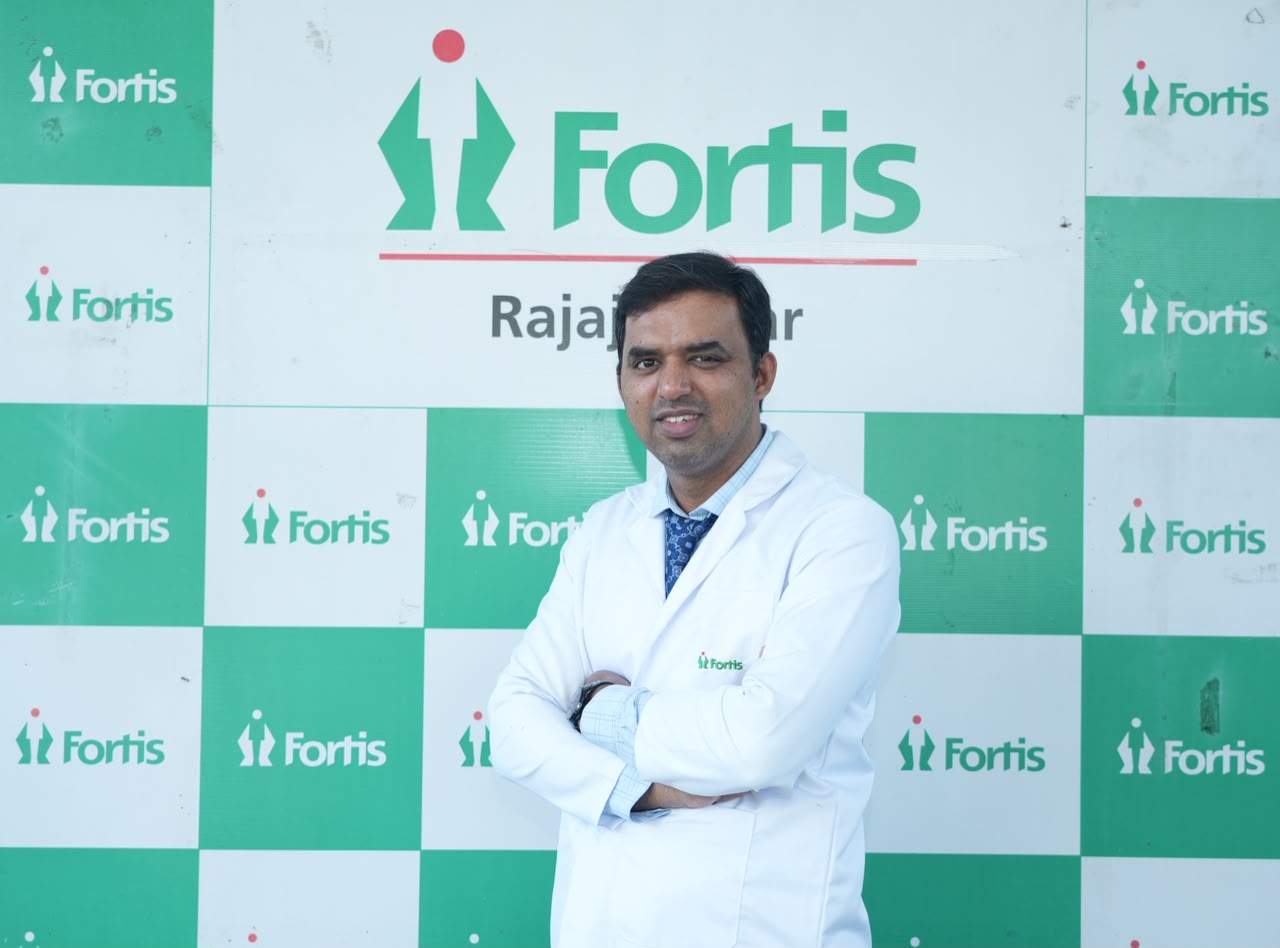
Fortis Hospital, Rajajinagar, Bengaluru, successfully corrected a severe spinal deformity in a 60-year-old man who had lived with a progressively bent back for nearly 20 years. The patient had a spinal curvature exceeding 70 degrees, which caused severe pain, restricted his mobility and affected his ability to perform everyday activities.
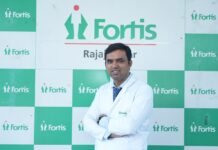
Over the past year, his condition had deteriorated following an old spinal fracture. To address the complex condition, a multidisciplinary team led by Dr. Shreekantha K.S., Orthopaedic and Spine Surgeon at Fortis Hospital, Rajajinagar, performed an eight-hour surgery to correct the deformity and stabilise the spine. Following the procedure, the patient could stand upright, walk the very next day and perform his personal activities independently.
Ankylosing Spondylitis and an Old Fracture Worsened the Condition
The patient had ankylosing spondylitis, a chronic inflammatory condition that causes the spine to become progressively stiff and lose flexibility. He had also sustained a fracture in the upper part of his spine after a fall. Doctors initially treated the fracture without surgery. However, the combination of ankylosing spondylitis and the previous fracture gradually worsened his spinal deformity. Over time, his back became increasingly bent. During the past year, he also developed severe pain around the most curved part of his spine, making walking and routine activities increasingly difficult.
Eight-Hour Surgery Corrects Severe Spinal Curvature
Following a detailed medical evaluation, the doctors determined that surgery was necessary to correct the patient’s fixed spinal deformity. The surgical team performed a Pedicle Subtraction Osteotomy (PSO), a complex spinal procedure used to correct severe deformities and improve spinal alignment. The operation lasted approximately eight hours. During the procedure, the team carefully corrected the spinal curvature and stabilised the spine while continuously monitoring the nerves and spinal cord to minimise the risk of neurological complications.
Advanced Anaesthesia Techniques Ensure Patient Safety
The patient’s severe spinal curvature and restricted neck movement also presented significant challenges during anaesthesia. Conventional placement of a breathing tube could have required movements that were difficult and potentially unsafe for his stiff spine.
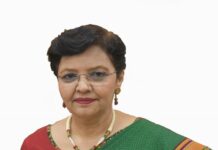
To overcome this challenge, Dr. Naveen Gowda, Anaesthesiologist at Fortis Hospital, Rajajinagar, performed awake fibreoptic intubation. This advanced technique allows doctors to place a breathing tube while the patient continues to breathe independently, helping minimise unnecessary spinal movement.
As per the press release, following surgery, the patient remained under observation in the intensive care unit (ICU) for approximately one day before moving to the ward. Encouragingly, he began walking the next day and regained the ability to perform his personal activities independently.
Surgical Team Highlights Recovery and Improved Quality of Life
Dr. Shreekantha K.S., Orthopaedic and Spine Surgeon at Fortis Hospital, Rajajinagar, Bengaluru, said, “The patient had been living with a severe spinal deformity for nearly 20 years, which had significantly affected his mobility and everyday life. Correcting a fixed deformity of more than 70 degrees requires careful planning and precise surgery. Our objective was not only to correct the curvature but also to help him regain his independence and quality of life. It was particularly encouraging to see him stand upright and walk independently the very next day.”
Dr. Naveen Gowda, Anaesthesiologist at Fortis Hospital, Rajajinagar, highlighted the anaesthetic challenges involved in the procedure. He said, “The severe curvature and stiffness of the patient’s spine made administration of anaesthesia particularly challenging. His neck movement was also restricted, making conventional placement of the breathing tube difficult. We therefore used awake fibreoptic intubation, which allowed us to safely manage his airway while minimising movement of his spine. Close coordination between the surgical, anaesthesia and critical care teams was important in ensuring a safe outcome.”
Hansa Shashank, Facility Director at Fortis Hospital, Rajajinagar, added, “This was a challenging case that required expertise and close coordination across multiple teams. The outcome demonstrates what is possible when specialised surgical care, anaesthesia and critical care work together. At Fortis Rajajinagar, we remain committed to providing advanced care that helps patients regain mobility, independence and a better quality of life.”