


















Could exposure to a combination of heavy metals increase the risk of gallbladder cancer? A new study by the Advanced Centre for Treatment, Research and Education in Cancer (ACTREC), the Kharghar unit of Tata Memorial Centre, has found a strong association between elevated blood levels of certain metals and the risk of developing gallbladder cancer.
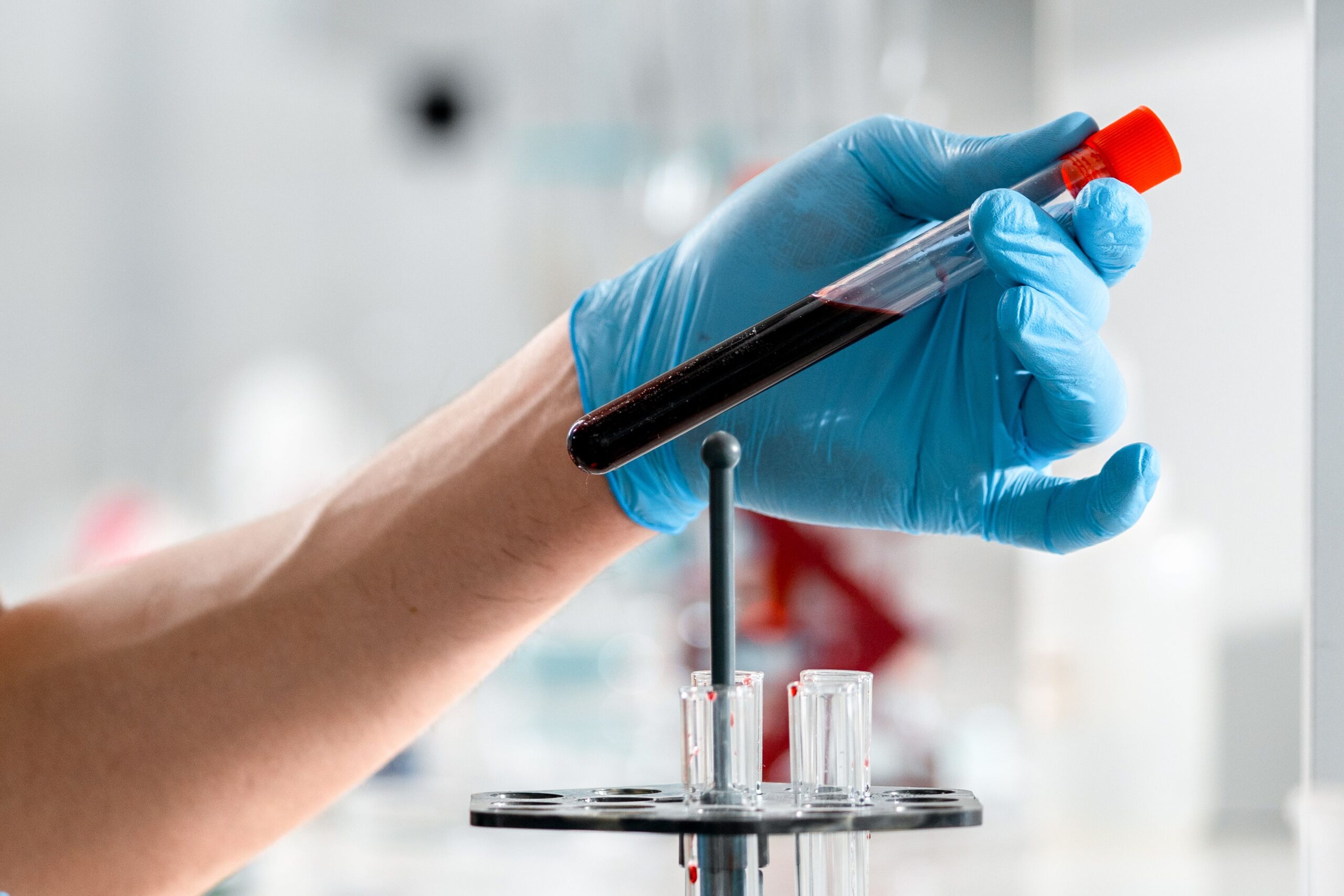
Published in the Scientific Reports journal on November 14, 2026, the study identified copper, cadmium and manganese as key metals associated with the disease. The researchers analysed blood samples from 912 gallbladder cancer patients treated at Tata Memorial Centre hospitals and compared them with samples from 1,140 individuals without the disease. This makes it one of the largest studies of its kind in India.
Heavy Metal Levels Significantly Higher in Cancer Patients
The researchers measured nine trace elements in blood samples and found that levels of certain metals among cancer patients were six to seven times higher than normal limits, according to Prof. Rajesh Dikshit of ACTREC’s Centre for Cancer Epidemiology.
Notably, the association remained significant even after researchers accounted for other established risk factors, including gallstones, tobacco use, mustard oil consumption and place of birth.
Why Is Gallbladder Cancer Common in Certain Indian Regions?
Tata Memorial Centre began investigating gallbladder cancer more than two decades ago after doctors observed an unusually high number of patients from the Gangetic belt visiting its Parel hospital.
Over the years, researchers have identified several potential risk factors, including contaminated mustard oil, gallstones and genetic susceptibility. However, the latest findings highlight the possible contribution of environmental exposure to heavy metals.
Gallbladder cancer remains particularly prevalent in India, with some of the highest incidence rates reported in the Northeast and along the Gangetic belt.
Heavy Metal Research Could Open New Prevention Opportunities
The latest findings could help researchers identify environmental exposures that contribute to gallbladder cancer and develop preventive strategies.
Mayur D. Chauhan, one of the study’s authors, highlighted that trace elements remain an overlooked risk factor in cancer development. He noted that identifying the sources of metal exposure, particularly in high-risk regions, could support primary prevention efforts.
Meanwhile, ACTREC Director Dr Pankaj Chaturvedi highlighted the challenges associated with diagnosing and treating the disease. Most gallbladder cancer cases are detected at advanced stages, when the cancer has already spread and treatment options become limited. He also pointed out that, despite decades of medical research and progress, early detection remains a significant challenge.
Women Face a Higher Risk of Gallbladder Cancer
The study also highlights the gender-related differences in gallbladder cancer incidence. According to co-author Dr Sharayu Mhatre, the disease is almost four times more common among women than men. She further noted that each subsequent pregnancy increases the risk of developing gallbladder cancer.
These findings underline the importance of understanding the biological, genetic and environmental factors that contribute to the disease.
Researchers Explore Biomarkers to Identify High-Risk Individuals
Building on earlier research, Tata Memorial Centre is now focusing on identifying individuals who face a higher risk of developing gallbladder cancer.
According to Dr Dikshit, researchers have identified several genetic markers, including ABCB4 and ABCB1, and established the role of gallstones in disease development. The team is now working towards identifying biomarkers that could help detect high-risk individuals and potentially support earlier intervention.
As reported by The Times of India, the findings highlight the need for further research into environmental and genetic factors associated with gallbladder cancer. Identifying the sources of heavy metal exposure and developing reliable biomarkers could help strengthen risk assessment, improve early detection and open new avenues for cancer prevention in India.