




















A gas that rarely draws public attention is now quietly disrupting the medical imaging ecosystem in India. Helium shortages linked to geopolitical tensions in West Asia have begun tightening supplies and driving up costs. As a result, hospitals and diagnostic centres may soon face the risk of higher MRI scan prices and potential delays in diagnostic services.
India’s Dependence on Imported Helium
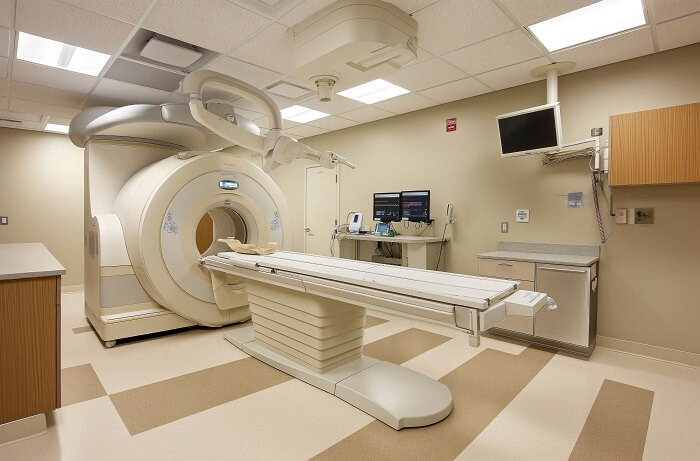
India relies heavily on imported helium, particularly from Qatar, to operate MRI machines. The gas plays a critical role in cooling the powerful superconducting magnets used in MRI systems. However, with inventories already thin and global logistics turning increasingly volatile, hospitals and imaging centres are bracing for possible supply constraints.
Qatar alone accounts for nearly one-third of the world’s helium supply. Consequently, any disruption in the region has a direct impact on global availability. Pavan Choudary, Chairman of the Medical Technology Association of India (MTaI), noted that prolonged instability could affect MRI services worldwide, and early signals from the market already indicate rising prices.
LNG Production Disruptions Tighten Helium Supply
Helium is not produced independently; rather, it emerges as a byproduct of natural gas processing. Therefore, fluctuations in liquefied natural gas (LNG) production directly influence helium availability. Current disruptions affecting LNG operations in Qatar are now tightening global helium supply.
Although hospitals have not yet experienced severe shortages, the risk is steadily increasing. According to an executive from a medtech company, globalised medical technology supply chains remain vulnerable to prolonged geopolitical instability in West Asia. At the same time, supply chain costs have begun climbing sharply.
Helium-Free MRI Technology Gains Momentum
In response to recurring helium supply concerns, several medical technology companies have accelerated the development of helium-efficient or helium-free MRI systems.
Hariharan Subramanian, Managing Director of Siemens Healthcare, explained that the company has already introduced helium-free MRI systems that use dry-cool technology. This innovation significantly reduces reliance on helium while minimising the risk of service disruptions.
Similarly, Bengaluru-based medtech startup Voxelgrids has focused on developing imaging systems that eliminate helium dependence. According to founder Arjun Arunachalam, helium prices in certain markets have reached nearly $80 per cubic metre. However, the company remains largely insulated from price volatility because its systems do not rely on helium.
Ripple Effects on the Medical Device Industry
Meanwhile, the broader impact of geopolitical tensions is beginning to affect other segments of India’s medical device industry. Manufacturers have warned that the supply of essential hospital consumables—including IV bags and lines, urine bags, cannulas, and syringes—could face disruptions as early as next month.
Currently, many manufacturers are operating with barely 15–20 days of inventory. If supply chains remain unstable, hospitals could soon encounter shortages of these critical consumables.
Rising Energy Costs Add Further Pressure
As reported by TOI, the situation is further complicated by a shortage of industrial gases used in manufacturing boilers, coupled with rising energy costs. As a result, many companies are increasingly forced to rely on more expensive diesel or alternative power sources to maintain production.
Taken together, these pressures highlight the growing vulnerability of India’s healthcare supply chains to global geopolitical shifts. While immediate disruptions remain limited, the sector is preparing for possible challenges in the months ahead.