




















A joint research team led by Professor Eijiro Miyako of the Japan Advanced Institute of Science and Technology (JAIST), in collaboration with Daiichi Sankyo Co., Ltd. and the University of Tsukuba, has created a groundbreaking immune-independent bacterial therapy using a novel microbial consortium named AUN. This innovation directly addresses a long-standing challenge in oncology—treating patients with weakened immune systems, for whom conventional immunotherapies often fail. The findings appear in Nature Biomedical Engineering.
Historical Context of Bacterial Cancer Therapy
Bacteria-based cancer therapy traces its origins to 1868, when German physician Busch reported a patient cured of cancer after deliberate bacterial infection. In 1893, Dr. William Coley advanced this approach, laying the groundwork for modern immunotherapies such as checkpoint inhibitors and CAR-T cells. While these treatments have evolved considerably over the past 150 years, they fundamentally rely on immune cell activity—making them ineffective for many patients who are immunocompromised due to chemotherapy or radiotherapy.
The AUN Microbial Consortium
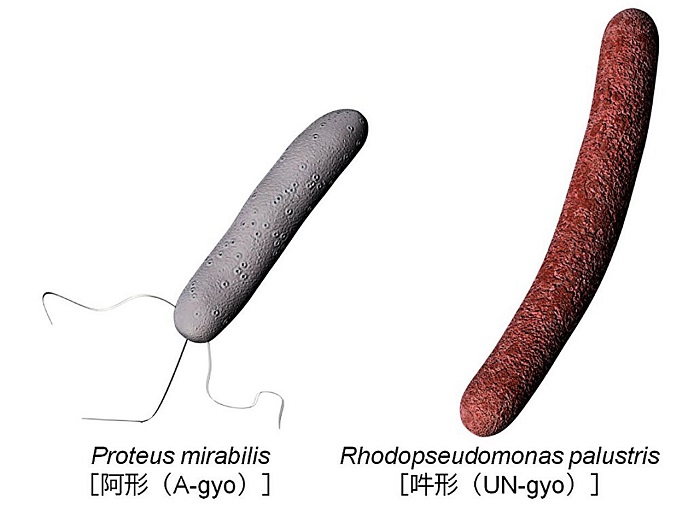
As reported by medicalxpress, the newly developed AUN therapy breaks free from this dependency. It consists of two naturally occurring bacterial species:
- Proteus mirabilis (A-gyo) – a tumor-resident bacterium.
- Rhodopseudomonas palustris (UN-gyo) – a photosynthetic bacterium.
When combined, these microbes achieve remarkable tumor eradication in both murine and human cancer models, even in immune-deficient environments. The treatment shows high biocompatibility, minimal side effects, and avoids dangerous complications such as cytokine release syndrome (CRS).
Unique Mechanisms Behind Tumor Eradication
AUN’s exceptional efficacy stems from several coordinated bacterial mechanisms:
- Targeted destruction of tumor vasculature and cancer cells.
- Structural transformation of A-gyo (filamentation) triggered by tumor-specific metabolites, increasing its antitumor potency.
- Population shift within tumors—although introduced in a ratio of roughly 3:97 (A-gyo : UN-gyo), the bacterial balance shifts to about 99:1 inside the tumor microenvironment, optimizing therapeutic impact.
- Suppression of pathogenicity, with UN-gyo regulating A-gyo’s behavior and minimizing harmful effects while boosting tumor-specific cytotoxicity.
This cooperative dynamic reflects the Japanese philosophical concept of AUN, symbolizing perfect harmony between opposites. The interplay between A-gyo and UN-gyo enables an antitumor effect previously unattainable with conventional therapies.
From Laboratory to Clinical Application
“We are preparing to launch a startup and aim to begin clinical trials within six years,” said Professor Miyako. “A new chapter in bacteria-based cancer therapy—pursued for over 150 years—is finally beginning.”
A Paradigm Shift for Immunocompromised Patients
AUN represents a true paradigm shift, offering an urgently needed treatment option for cancer patients whose immune systems cannot support existing immunotherapies. By delivering potent, targeted tumor destruction without relying on immune cells, this approach could usher in a new era of truly immune-independent cancer treatment.