



















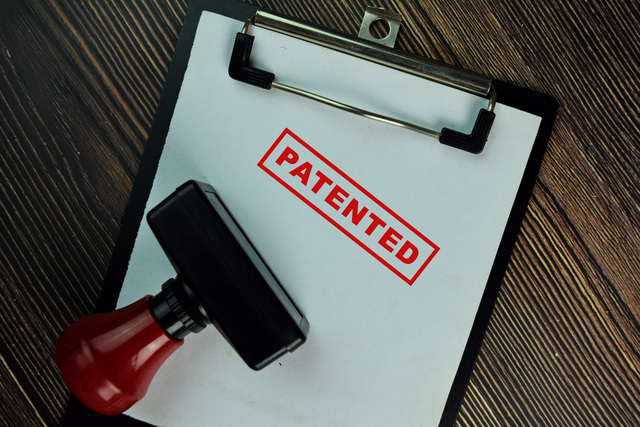
The Indian Patent Office has rejected a patent application filed by the U.S. based Global Alliance for TB Drug Development (TB Alliance) for BPaL, a drug combination used to treat drug-resistant tuberculosis (TB). The six-month, all-oral treatment regimen combines three medicines: bedaquiline, pretomanid and linezolid. The decision follows pre-grant oppositions filed by several civil society organisations, which argued that scientific research and clinical trials had already disclosed the combination of these medicines and their use in a shorter treatment regimen.
Civil Society Organisations Oppose BPaL Patent Application
In July 2020, several civil society organisations filed pre-grant oppositions against TB Alliance’s patent application. These included the Delhi Network of Positive People, Sankalp Rehabilitation Trust, Third World Network, Lawyers’ Collective and Médecins Sans Frontières Access Campaign. Under Section 25(1) of the Patents Act, 1970, any person can oppose a patent application after its publication but before the patent is granted. The opponents argued that scientific studies and clinical trials dating back to 2015 had already established the use of these medicines in combination and demonstrated their application in shorter TB treatment regimens. Therefore, they challenged the novelty and patentability of the proposed invention.
Patent Office Cites Lack of Novelty and Inventive Step
While rejecting the application, the Indian Patent Office cited several grounds, including lack of novelty, absence of an inventive step, non-patentability and insufficient disclosure. The decision also invoked Sections 3(d), 3(e) and 3(i) of the Patents Act, 1970, which define specific exclusions from patent protection:
Section 3(d): Restricts patents on new forms of known substances unless they demonstrate enhanced efficacy.
Section 3(e): Excludes mere admixtures of known substances that do not result in enhanced efficacy.
Section 3(i): Excludes methods of treating human beings from patentability.
These provisions formed part of the legal basis for rejecting the BPaL patent application.
BPaL and BPaLM in India’s Tuberculosis Treatment Programme
India continues to face a significant tuberculosis burden. An estimated 2.71 million people developed TB in 2024, accounting for approximately one-quarter of global cases. Meanwhile, more than 15,000 patients in India have received BPaLM treatment under the National Tuberculosis Elimination Programme (NTEP). BPaLM combines bedaquiline, pretomanid and linezolid with moxifloxacin to treat drug-resistant tuberculosis. The availability of shorter, all-oral treatment regimens represents an important development in TB care, potentially reducing treatment duration and reliance on more complex treatment approaches.
Implications of the Patent Rejection
The Indian Patent Office’s decision means that TB Alliance’s particular patent application has not resulted in a patent grant in India. However, the rejection does not automatically invalidate other patent rights or end regulatory requirements associated with the medicines. Following the decision, civil society organisations have urged TB Alliance to withdraw related patent claims in other countries and surrender patents that have already been granted. As reported by gktoday.in, the development highlights the importance of patentability standards, access to essential medicines and public health considerations in the treatment of drug-resistant tuberculosis.