




















Can existing plaque buildup in heart arteries actually shrink with the right treatment? A new clinical trial suggests that more intensive cholesterol-lowering therapy may help reverse coronary artery plaque more effectively, offering new insights into the treatment of atherosclerosis.
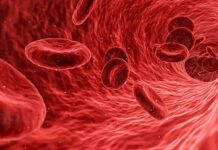
Atherosclerosis occurs when cholesterol and fats accumulate along artery walls, forming deposits known as plaques. Over time, these deposits narrow the arteries and restrict the flow of oxygen-rich blood, increasing the risk of heart disease and stroke.
In the FLOWPROMOTE randomised clinical trial, published in JAMA Cardiology, researchers investigated whether more aggressive cholesterol reduction could produce greater plaque regression in patients with coronary artery disease.
Comparing Two Cholesterol-Lowering Treatments
The researchers evaluated two treatment approaches over 18 months. One group received atorvastatin 40 mg daily, while the other received a combination of rosuvastatin 40 mg and ezetimibe 10 mg daily.
Atorvastatin and rosuvastatin are statins that reduce cholesterol production in the liver, while ezetimibe blocks cholesterol absorption in the intestine.
The study involved 104 adults in Denmark with stable chest pain and significant coronary artery disease. None had previously received statin treatment.
To monitor changes in plaque buildup, participants underwent coronary CT angiography (CTA) before treatment and again at nine and 18 months.
Combination Therapy Shows Greater Plaque Reduction
The findings showed that combination therapy produced a greater reduction in low-density lipoprotein cholesterol (LDL-C), commonly known as bad cholesterol.
The combination treatment reduced LDL-C levels by 65%, from an average of 127.4 mg/dL to 42.5 mg/dL. In comparison, atorvastatin alone achieved a 38% reduction.
This greater cholesterol reduction was also associated with more significant plaque regression. Total coronary plaque volume decreased by 21.1% among patients receiving combination therapy, compared with 13.6% in the atorvastatin group.
Furthermore, noncalcified plaque, which contains softer, fat-rich deposits that are more prone to rupture, decreased by 28.2% with combination therapy, compared with 20% with atorvastatin alone.
Noncalcified plaque volume decreased in 51 of 52 patients receiving combination therapy, compared with 39 patients in the standard treatment group.
However, calcified plaque volume increased modestly in both groups. Researchers suggested that this could indicate plaque stabilisation, as softer plaque components are replaced by more stable calcium deposits.
More Intensive Treatment May Improve Heart Health
The findings suggest that aggressive cholesterol management can achieve greater reductions in coronary plaque than statin therapy alone. They also indicate that existing plaque buildup may not be permanent and can partially regress with intensive treatment.
However, researchers noted that further studies are needed to determine whether these improvements in plaque volume translate into fewer heart attacks and other cardiovascular events. As reported by medicalxpress.com, the findings highlight the potential of combining cholesterol-lowering medicines to achieve greater plaque regression in patients with coronary artery disease.
The study offers further evidence of the importance of intensive LDL cholesterol management in reducing the progression of atherosclerosis and improving cardiovascular health.