
















Iswarya Cancer Centre at Iswarya Hospital, OMR, Chennai, has successfully performed a complex jaw reconstruction surgery on a 68-year-old man from Assam diagnosed with advanced oral cancer. The surgical team, led by Dr. Raja Sundaram, Director, Iswarya Cancer Centre, removed the cancer-affected portion of the patient’s jawbone and reconstructed it using bone and tissue from his leg. The surgery lasted more than 12 hours.
Before the procedure, the patient could open his mouth only by a finger’s width and struggled to swallow both solid food and liquids. Following the surgery, he regained his ability to eat and speak within seven days.
Advanced Oral Cancer Affected the Patient’s Jawbone
The patient had a long history of gutkha consumption and approached Iswarya Hospital in August 2026 with a non-healing ulcer inside his mouth.
Further scans and investigations revealed that the cancer had spread from the inner cheek to the jawbone and had extended through the skin of his face. His condition severely affected his ability to open his mouth and swallow food.
Additionally, his pre-existing heart and kidney conditions increased the risks associated with anaesthesia and major surgery.
Surgeons Reconstruct Jaw Using Free Fibula Flap Technique
Considering the complexity of the case, a multidisciplinary team comprising surgical oncologists, plastic and reconstructive surgeons, and anaesthetists planned the procedure.
Initially, the surgical oncology team removed the tumour-affected portion of the jawbone in one piece, along with the affected cheek skin and lymph nodes in the neck.
Following tumour removal, the reconstructive surgeon performed a procedure called free fibula flap reconstruction. This advanced technique involves harvesting the fibula, the slender bone located on the outer side of the lower leg, along with its blood vessels and a patch of skin.
The surgeons then shaped the harvested bone to reconstruct the missing portion of the jaw. They also used the skin tissue to rebuild the inner cheek and affected facial area.
Using an operating microscope, the team carefully connected tiny blood vessels measuring just 2–3 mm in diameter to blood vessels in the neck. This restored blood circulation to the transplanted bone and tissue, helping the reconstructed jaw heal as living bone.
Patient Regains Ability to Eat and Speak After Surgery
The patient showed encouraging recovery following the procedure. Within seven days, he began eating and speaking, while his facial appearance was also restored.
Subsequently, he underwent radiotherapy to reduce the risk of cancer recurrence and was discharged at the end of August 2026. He returned to Iswarya Hospital in November for further radiotherapy and has recovered well without complications.
Multidisciplinary Care Plays a Key Role in Complex Cancer Treatment
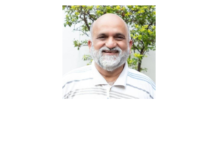
Dr. Raja Sundaram, Director, Iswarya Cancer Centre and CEO, Iswarya Hospital, highlighted the importance of coordinated medical expertise in managing advanced cancer cases.
He explained that such complex procedures require close collaboration between surgical oncology, reconstructive surgery, anaesthesia, radiation oncology and supportive care teams. He added that the objective was not only to remove the cancer but also to preserve the patient’s ability to eat, swallow and speak while restoring facial appearance and quality of life.
Early Detection Can Help Prevent Advanced Oral Cancer
Dr. Sundaram also highlighted that oral cancer is largely preventable. Regular consumption of gutkha, pan masala, tobacco and betel quid increases the risk of developing oral cancer, particularly in India.
He advised people to seek medical attention if they notice a mouth ulcer, white or red patch, or lump that does not heal within two to three weeks. Early detection can help enable simpler treatment approaches and improve outcomes. As per the company press release, the successful surgery highlights the role of advanced reconstructive techniques and multidisciplinary cancer care in treating complex oral cancer cases while helping patients regain essential functions and improve their quality of life.