





















In a groundbreaking development, the Karnataka Department of Medical Education announced plans on Monday to establish the country’s first government-run proton therapy facility for cancer treatment. The centre will be housed at the Kidwai Memorial Institute of Oncology (KMIO) in Bengaluru, one of India’s leading cancer hospitals.
Proposal for ₹500 Crore Centre Submitted to Centre
During a recent meeting with Union Health Minister JP Nadda in Bengaluru, Karnataka’s Minister for Medical Education and Skill Development, Sharan Prakash Patil, submitted a proposal requesting ₹500 crore in funding from the central government. The proposal underscores the importance of advanced cancer care and seeks support to make the facility a reality.
Why Proton Therapy Matters
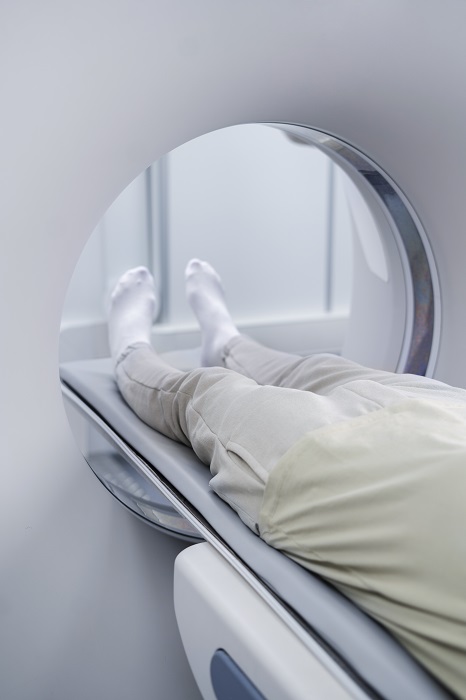
Proton therapy is a highly advanced form of radiation treatment that provides superior control over tumours while sparing nearby healthy tissues. Unlike conventional radiotherapy that uses high-energy gamma rays or X-rays—often affecting surrounding organs—proton therapy delivers focused, high-precision doses. This significantly reduces long-term side effects, particularly for tumours located in sensitive areas of the body.
Better Outcomes, Especially for Children
Patil highlighted the potential of proton therapy in treating paediatric cancers, particularly hereditary forms such as neurofibromatosis type 1 (NF-1) and retinoblastoma. Additionally, the treatment holds promise for several other complex malignancies, including those of the eye, orbit, skull base, spine, liver, prostate, breast, head and neck, and paranasal sinuses.
Support for Complex and Recurrent Cases
As reported by The Week, the proposed centre at KMIO will also cater to patients requiring re-irradiation and those with unresectable tumours—cases often considered challenging under conventional treatment modalities.
A National Need
According to Patil, India may see over 1.2 lakh patients in need of proton therapy by 2025. Once established, the KMIO facility will not only deliver state-of-the-art cancer care with minimal toxicity but will also handle complex referral cases from prestigious institutions such as NIMHANS and the Indira Gandhi Institute of Child Health.
This strategic initiative marks a significant step forward in India’s fight against cancer, offering patients a chance at improved outcomes with reduced side effects.