






















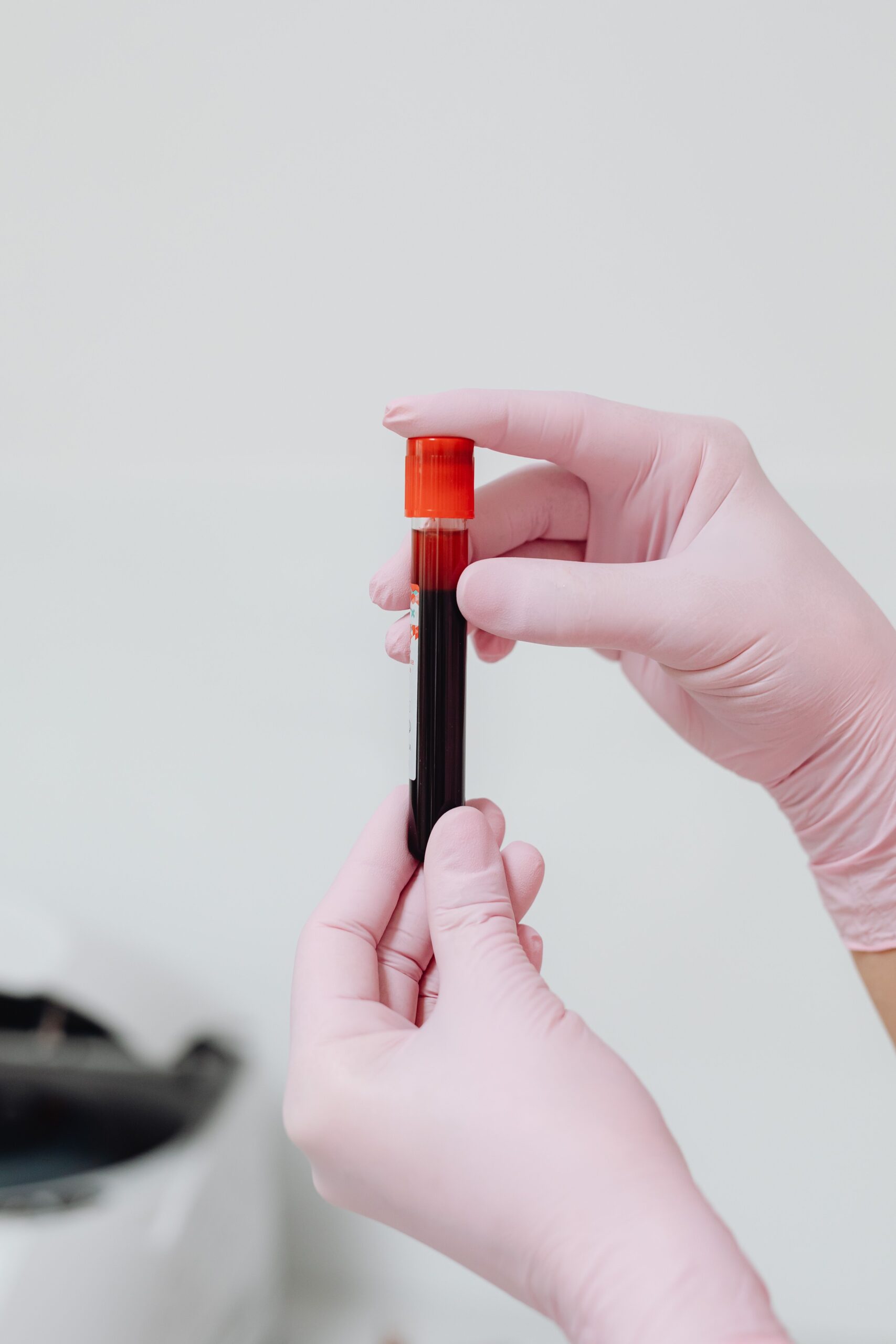
Could Maharashtra be facing a growing hepatitis burden as newly detected cases nearly double in just four years? The state has reported a sharp rise in Hepatitis B infections, with newly detected cases increasing from 9,260 in 2022-23 to 18,122 in 2025-26, marking a nearly 96% increase. Hepatitis C cases have also risen by around 80% during the same period, according to data submitted by the Union Health Ministry.
Hepatitis B And C Cases Rise Significantly In Maharashtra
The latest figures highlight an increasing number of newly detected viral hepatitis infections in Maharashtra. Hepatitis B cases rose from 9,260 in 2022-23 to 12,250 in 2023-24 and further to 13,712 in 2024-25, before reaching 18,122 in 2025-26.
Similarly, newly detected Hepatitis C cases increased from 479 in 2022-23 to 695 in 2023-24, 790 in 2024-25 and 864 in 2025-26. This represents an increase of approximately 80% over four years.
Both Hepatitis B and C primarily affect the liver. If left untreated, these viral infections can become chronic and lead to serious complications, including liver cirrhosis and liver cancer.
Explaining the differences between the two infections, Dr Tushar Palve, Medical Superintendent of Cama Hospital, said Hepatitis B spreads through infected blood and bodily fluids, unsafe injections and transmission from an infected mother to her child. Hepatitis C, meanwhile, primarily spreads through exposure to infected blood.
While vaccination can prevent Hepatitis B infection, there is currently no vaccine for Hepatitis C. However, appropriate antiviral medicines can cure Hepatitis C.
Maharashtra Moves From Sixth To Second Position In National Rankings
The rise in newly detected Hepatitis B cases has also changed Maharashtra’s position in the national rankings. In 2022-23, the state ranked sixth among States and Union Territories, with 9,260 cases. However, by 2025-26, it had climbed to second position, reporting 18,122 cases.
Uttar Pradesh topped the national list with 41,819 newly detected Hepatitis B cases during 2025-26. Maharashtra had already secured the second position in 2024-25, when it reported 13,712 cases.
Maharashtra Expands Hepatitis Testing And Treatment Facilities
According to the Maharashtra National Health Mission, the National Viral Hepatitis Control Programme has been operational across all districts since July 2019. Under the programme, the state has established four Model Treatment Centres and 32 additional treatment centres to provide testing, diagnosis and treatment services.
The four Model Treatment Centres are located at Sion Hospital in Mumbai, BJ Government Medical College in Pune, Government Medical College in Nagpur and Government Medical College in Chhatrapati Sambhajinagar. KEM Hospital is also among the designated treatment centres in Mumbai.
The programme prioritises screening and treatment for high-risk groups, including dialysis patients, people requiring repeated blood transfusions, people living with HIV, individuals who inject drugs and prisoners. Additionally, pregnant women undergo Hepatitis B screening to prevent mother-to-child transmission.
If a pregnant woman tests positive for Hepatitis B, her newborn receives Hepatitis B immunoglobulin (HBIG) along with the birth-dose vaccine within 24 hours of delivery. This intervention helps reduce the risk of infection being transmitted from mother to child.
National Programme Offers Free Hepatitis Diagnosis And Treatment
Under the National Viral Hepatitis Control Programme, the central government provides free diagnosis and treatment for Hepatitis B and C. The programme aims to eliminate Hepatitis C as a public health threat by 2030.
At the national level, the Union Health Ministry reported that more than 21 crore beneficiaries had been screened and over six lakh patients had received treatment under the programme by July 2026. Furthermore, the government had established 1,153 treatment centres across the country.
Despite the expansion of testing and treatment facilities, the rising number of newly detected Hepatitis B and C cases in Maharashtra highlights the need to strengthen screening, improve awareness and ensure timely treatment. It is equally important to ensure that diagnosed patients complete their treatment and receive regular medical follow-up to prevent long-term liver complications. These developments have been highlighted in a report by The Free Press Journal, based on data submitted by the Union Health Ministry.