
















The price of the RTS,S/AS01 malaria vaccine is set to fall by around 40% under an agreement between Gavi, the Vaccine Alliance, and UNICEF. The reduction will bring the cost down to €5.50 per dose and could help protect an additional one million children against malaria. The price cut is expected to take effect in early 2027, subject to manufacturing and regulatory requirements. Moreover, it could generate savings of approximately $50 million for childhood immunisation programmes between 2027 and 2029, allowing vaccination initiatives to reach more children.
Lower Vaccine Costs to Expand Childhood Immunisation
The agreement aims to make the RTS,S/AS01 malaria vaccine more affordable for childhood immunisation programmes, particularly in malaria-endemic regions where the disease poses a significant threat to young children. By reducing vaccine procurement costs, the initiative could help health programmes stretch their budgets and expand access to life-saving immunisation. Consequently, more children could benefit from malaria prevention without placing additional pressure on limited healthcare resources.
Malaria Remains a Major Threat to Young Children
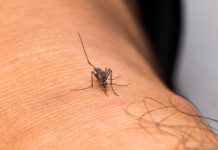
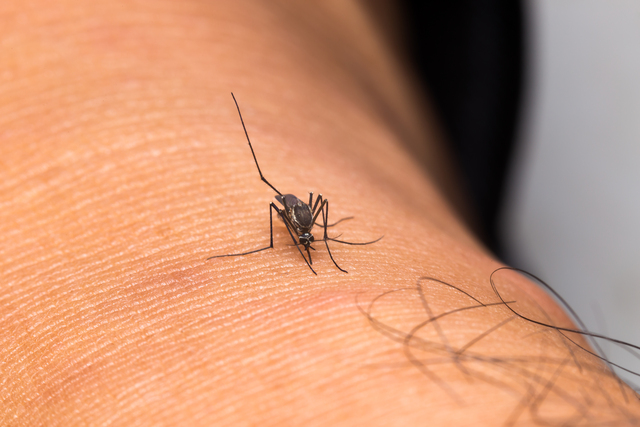
Malaria is a potentially life-threatening disease transmitted through the bites of infected mosquitoes. Young children face a particularly high risk of severe illness, which can cause serious complications and death. Therefore, prevention remains essential to reducing malaria-related illness and mortality. Alongside mosquito control, early diagnosis and effective treatment, vaccination provides an additional tool to protect children in affected communities.
WHO Recommendation Marked a Milestone in Malaria Prevention
Developing an effective malaria vaccine posed a major scientific challenge for decades. However, a significant breakthrough came in 2021, when the World Health Organization (WHO) recommended the RTS,S/AS01 vaccine for widespread use among children at risk of malaria. This recommendation marked an important milestone in global malaria prevention, opening the way for broader childhood vaccination programmes. As reported by indiatoday.in, with the planned price reduction, Gavi and UNICEF aim to improve affordability and extend the reach of malaria immunisation. Ultimately, the lower cost could help protect more children and strengthen global efforts to reduce the burden of this potentially deadly disease.