






















Large language models (LLMs) trained on massive datasets are increasingly reshaping biomedical research and healthcare innovation. These advanced systems can accelerate genomics research, improve clinical documentation, enhance real-time diagnostics, support clinical decision-making, and even speed up drug discovery.
However, despite their potential, LLMs face a major limitation. While healthcare systems rely heavily on structured datasets, AI models often struggle in edge cases such as rare diseases and unusual medical conditions, where reliable and representative data is scarce.
To address this challenge, New York-based Mantis Biotech is developing a platform designed to bridge this critical data gap in healthcare and biomedical research.
Building Digital Twins of the Human Body
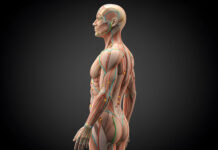
Mantis Biotech aims to solve the data scarcity problem by creating synthetic datasets that power “digital twins” of the human body. These digital twins are physics-based predictive models that replicate human anatomy, physiology, and behavior.
The company’s platform integrates multiple disparate data sources and converts them into high-fidelity simulations. These simulations allow researchers and clinicians to analyze human performance, simulate medical scenarios, and test treatments without relying solely on real patient data.
As a result, digital twins could become powerful tools for data aggregation, predictive analysis, and medical innovation.
Applications in Healthcare, Sports, and Medical Research
Mantis Biotech is positioning its digital twin technology for several applications across healthcare and research. These include:
- Studying and testing new medical procedures
- Training surgical robots using simulated human models
- Predicting medical conditions and behavioral patterns
- Enhancing clinical research and experimentation
For instance, the platform could help predict the risk of specific injuries in athletes. According to Georgia Witchel, Founder and CEO of Mantis Biotech, the system can analyze various factors such as training intensity, diet, physical performance, and activity history.
Using these inputs, a sports team could estimate the likelihood of an athlete developing injuries such as Achilles tendon damage, enabling preventive measures.
How the Digital Twin Platform Works
To build accurate digital twins, the platform gathers information from a wide range of sources, including:
- Medical textbooks
- Motion capture cameras
- Biometric sensors
- Training logs
- Medical imaging data
As reported by techcrunch, the system then uses an LLM-based pipeline to route, validate, and synthesize these data streams. After processing the information, the platform runs it through a physics engine, which generates realistic models of human anatomy and movement.
These models can then be used to train predictive algorithms and simulate real-world biological behavior.
“We can take these disparate data sources and transform them into predictive models of human performance. Anytime you want to predict how a human will perform, our technology becomes highly valuable,” Witchel explained.
Physics Engine Enhances Accuracy of Synthetic Data
A key innovation in the platform is its physics engine layer, which ensures that synthetic datasets remain grounded in realistic biological mechanics.
By modeling the physical properties of human anatomy, the system can create accurate simulations even in situations where real-world data does not exist.
For example, Witchel explained that hand-pose estimation for someone missing a finger would be difficult because publicly available datasets for such cases are extremely limited.
However, the digital twin system can easily generate such data by modifying the physics-based anatomical model and recreating the missing structure, thereby producing new training datasets for AI systems.
Addressing Data Gaps in Rare Diseases
One of the biggest opportunities for the platform lies in rare diseases and unusual medical conditions, where data availability is extremely limited.
In many cases, patient privacy laws, ethical considerations, and regulatory restrictions make it difficult to collect or share real-world datasets. As a result, AI models struggle to learn from these conditions.
Digital twins offer a solution by enabling experiments and simulations using virtual human models instead of real patient data.
Witchel believes this approach can help researchers explore new medical scenarios while protecting patient privacy and preventing misuse of personal health data.
Early Adoption in Professional Sports
Although the technology has broader biomedical potential, professional sports teams have been early adopters of the platform. According to Witchel, one of Mantis Biotech’s key clients is an NBA team.
The system creates detailed digital representations of athletes, tracking changes in their physical performance over time.
For example, the platform can analyze how an athlete’s jump performance evolves daily, while comparing it with factors such as sleep patterns, training intensity, and arm movement frequency. These insights help teams optimize training and reduce injury risk.
Funding and Expansion Plans
To accelerate development, Mantis Biotech recently raised $7.4 million in seed funding. The funding round was led by Decibel VC, with participation from Y Combinator, Liquid 2, and several angel investors.
The company plans to use the funding to expand its team, strengthen marketing efforts, and accelerate go-to-market strategies.
Future Focus: Preventive Healthcare and Drug Research
Looking ahead, Mantis Biotech aims to expand its technology beyond sports analytics and into preventive healthcare and pharmaceutical research.
The company plans to make its platform accessible to pharmaceutical laboratories and researchers involved in FDA clinical trials. By simulating how patients respond to treatments, digital twins could help scientists predict treatment outcomes and optimize drug development processes.
Ultimately, the company hopes its technology will support safer experimentation, faster medical discoveries, and more personalized healthcare solutions.
Digital Twins Could Shape the Future of Biomedical Innovation
As healthcare increasingly relies on AI, predictive analytics, and advanced simulations, digital twin technology may play a critical role in bridging data gaps and enabling new forms of biomedical research.
By combining LLMs, synthetic data generation, and physics-based modeling, Mantis Biotech aims to create a platform that could transform how researchers study the human body and develop new medical breakthroughs.