






















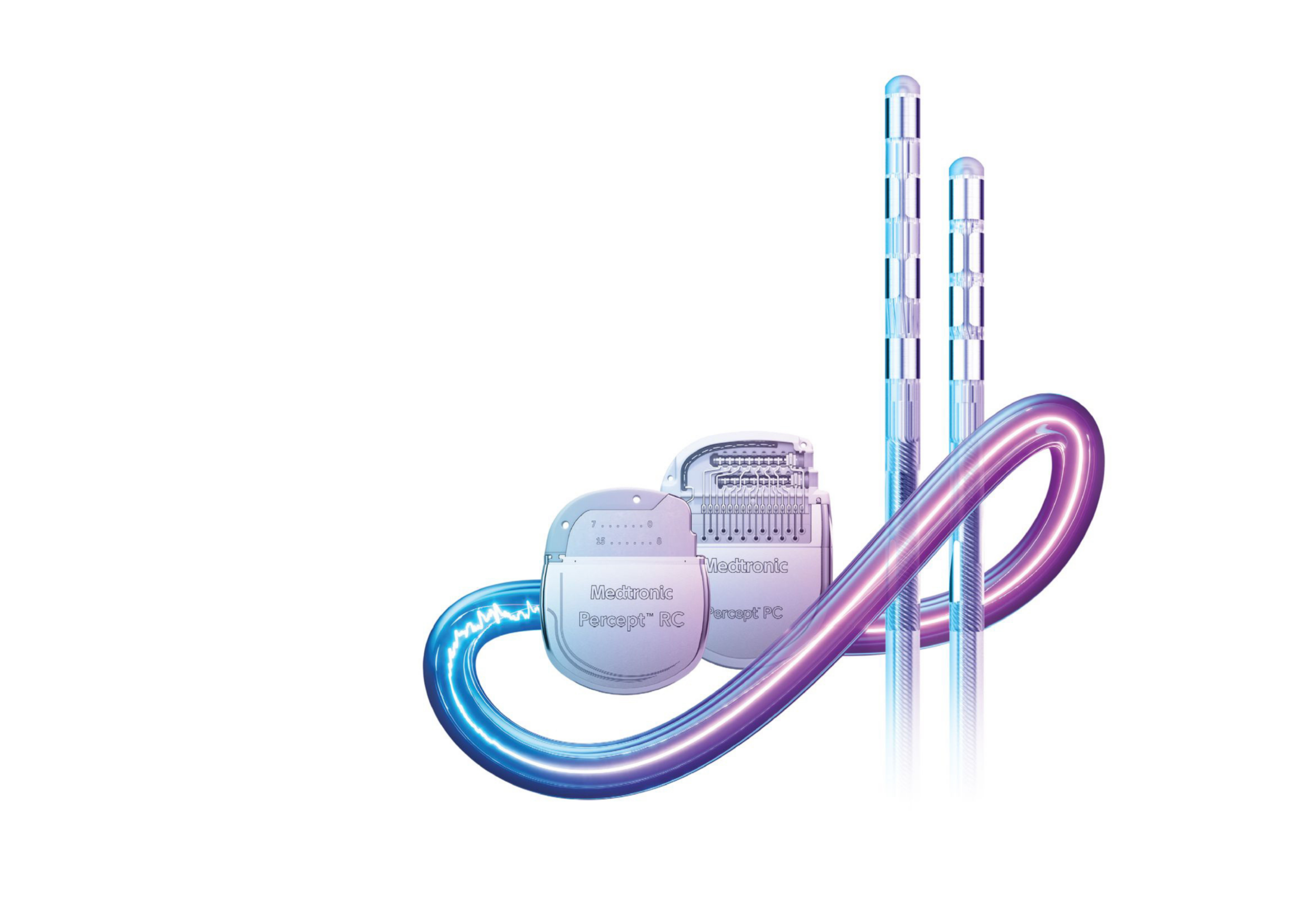
Medtronic has announced the launch of its Adaptive Deep Brain Stimulation (aDBS) system in India, marking a significant advancement in the management of Parkinson’s disease. This next-generation technology aims to improve the quality of life for patients by delivering more precise and responsive therapy.
Rising Burden of Parkinson’s Disease in India
Parkinson’s disease continues to pose a growing public health challenge in India, accounting for nearly 10% of the global burden. As a progressive neurological condition, it affects movement and daily functioning, making tasks such as walking, writing, and holding objects increasingly difficult. In addition, patients often experience challenges related to speech, sleep, and overall well-being. Consequently, treatment approaches must evolve continuously to meet individual patient needs.
Limitations of Conventional DBS
Traditionally, Deep Brain Stimulation (DBS) has played a crucial role in managing Parkinson’s symptoms. However, conventional DBS systems require manual adjustments of stimulation levels throughout the day, typically handled by patients or caregivers. This process can be complex and may not always provide consistent symptom control.
How Adaptive DBS Transforms Treatment
In contrast, Medtronic’s aDBS system introduces a more advanced, automated approach. It uses BrainSense™ technology, approved by the U.S. Food and Drug Administration, to monitor brain signals in real time. Based on these signals, the system automatically adjusts stimulation levels to match the patient’s condition and medication needs.
As a result, aDBS offers more consistent symptom management, reduces side effects, and helps extend the battery life of the implanted device. By responding dynamically to changes in brain activity or patient movement, it represents a significant improvement over conventional therapy.
A Timely Innovation for India
As per the Medtronic’s press release, the introduction of aDBS comes at a critical time, as India is expected to see a sharp rise in Parkinson’s cases and may soon have the second-highest number of patients globally. Although no cure currently exists, DBS has been transforming patient outcomes for over three decades. Therefore, innovations like aDBS are essential to advancing care and improving long-term management.
Understanding Deep Brain Stimulation
DBS involves implanting a small, pacemaker-like device under the skin of the chest. This device sends electrical signals to specific areas of the brain responsible for movement. These signals help block abnormal brain activity that causes motor symptoms, thereby improving control and function.
Expert Perspective
Prateek Tiwari, Senior Director – Neuroscience & Specialty Therapies at Medtronic India, emphasized that the launch reflects the company’s commitment to addressing the growing burden of Parkinson’s disease. He noted that introducing advanced technologies like aDBS aligns with Medtronic’s mission to alleviate pain, restore health, and extend life, while also enhancing patient outcomes.
A Multidisciplinary Approach to DBS Care
Patients considering DBS typically begin with a consultation with a movement disorder specialist, usually a neurologist. Following this, a multidisciplinary team—including neurologists, neurosurgeons, and specialized care providers—evaluates the patient’s suitability for the procedure. If deemed appropriate, a functional neurosurgeon implants and programs the device as part of a coordinated care pathway.
Driving the Future of Parkinson’s Care
As the burden of Parkinson’s disease continues to rise, ongoing investment in advanced technologies like aDBS will be crucial. Such innovations not only enhance clinical outcomes but also empower healthcare providers with better tools, ultimately improving the quality of life for patients across India.