






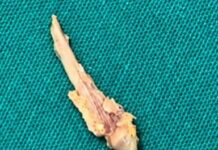













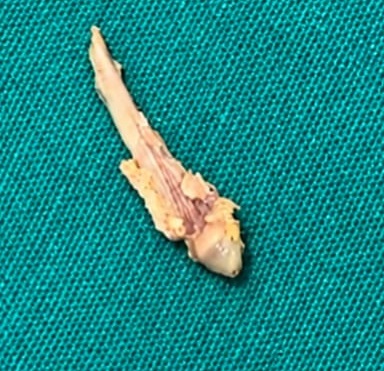
Doctors at Wockhardt Hospitals, Mira Road, successfully removed a sharp, 3.5-cm-long chicken bone lodged in the oesophagus of a 40-year-old Mira Road resident following accidental ingestion. The patient, Sukumar Vishwas (name changed), sought medical attention after swallowing the bone, which posed a risk of injury to the oesophageal lining and surrounding structures.
Endoscopic Assessment Identifies Lodged Chicken Bone
Following the patient’s presentation, doctors conducted a clinical evaluation and endoscopic assessment. These examinations confirmed that the sharp chicken bone was impacted in the oesophagus. Since a lodged foreign body can cause tissue damage and other serious complications, the medical team proceeded with controlled removal.
Multidisciplinary Team Performs Successful Removal
A multidisciplinary team at Wockhardt Hospitals, Mira Road, performed the procedure under appropriate anaesthesia and endoscopic visualisation. The team comprised:
Dr. Chandra Veer Singh, ENT, Head & Neck Cancer and Skull Base Surgeon
Dr. Sheetal Radia, Senior ENT Specialist and Head and Neck Oncosurgeon
Dr. Aditya Verma, Consultant Gastroenterologist and Advanced Endoscopist
Dr. Rohit Kateliya, Anaesthetist
Using endoscopic guidance, the doctors successfully extracted the approximately 3.5-cm-long chicken bone without requiring more extensive surgical intervention. The coordinated efforts of the ENT, gastroenterology, advanced endoscopy and anaesthesia teams helped facilitate controlled removal.
Doctors Warn About Risks of Sharp Foreign Bodies
According to Dr. Chandra Veer Singh, sharp foreign bodies such as chicken bones require prompt medical assessment. If left lodged in the oesophagus, they can potentially cause mucosal perforation, bleeding, deep neck infections, mediastinitis or damage to surrounding structures. “A chicken bone may appear small, but once it becomes impacted in the esophagus, particularly when it is sharp and relatively long, it should not be taken lightly. Early diagnosis and controlled endoscopic removal can help prevent serious complications,” said Dr. Chandra Veer Singh.
Patient’s CPAP Therapy Considered During Clinical Management
The patient was also using a continuous positive airway pressure (CPAP) machine to manage obstructive sleep apnoea. The medical team considered this factor during clinical assessment and treatment planning. However, no established evidence from this case indicates that CPAP therapy caused the chicken-bone impaction. Therefore, the two circumstances should not be considered causally related. As per the press release, following the successful procedure, the patient remained under medical supervision. The team monitored his recovery and assessed him for signs of oesophageal injury to identify any potential complications after the foreign body’s removal.