






















A decade-long study has found that hydroxyurea can safely and effectively treat children and young adults with sickle cell disease in low-resource African settings, without increasing the incidence or severity of infections, including malaria. Published in The Lancet Haematology, the research forms part of the Realizing Effectiveness Across Continents with Hydroxyurea (REACH) trial. The findings provide important evidence supporting the wider use of hydroxyurea in regions where access to healthcare services may be limited.
How Hydroxyurea Helps Manage Sickle Cell Disease
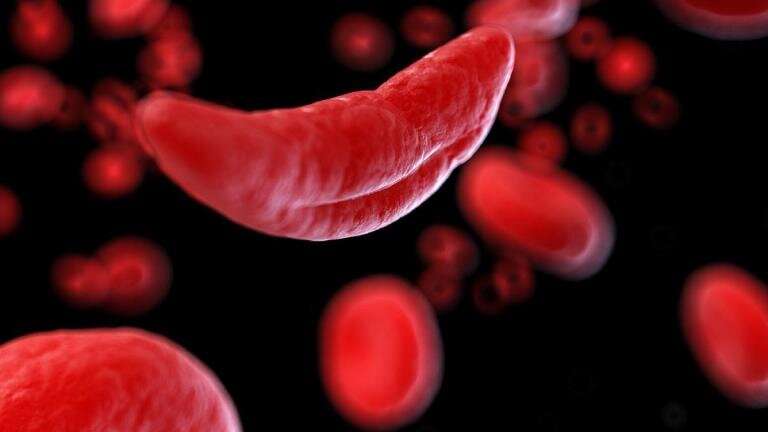
Hydroxyurea is an oral medication taken once daily that helps reduce complications associated with sickle cell disease by increasing the production of fetal haemoglobin. This type of haemoglobin prevents red blood cells from sickling, thereby helping reduce disease-related complications. Although healthcare professionals widely recommend hydroxyurea in high-income countries, some have expressed concerns about its use in low-resource settings. The drug can reduce neutrophil counts, potentially increasing susceptibility to infections. However, the long-term effects of this treatment on infection risk in these settings have not been fully understood.
Study Tracks 606 Patients Across Four African Countries
Researchers conducted the study at four sites in Angola, the Democratic Republic of the Congo, Kenya and Uganda. The trial enrolled 606 children and young adults with sickle cell disease, with recruitment of children aged 1–10 years taking place between 2014 and 2016. Participants initially received a fixed dose of hydroxyurea for six months. Subsequently, researchers increased their doses to the maximum tolerated level and monitored them every two to three months. The extended analysis covered more than 5,000 patient-years of follow-up, providing valuable insights into the long-term safety of hydroxyurea in resource-limited healthcare settings.
Infection Rates Decline During Hydroxyurea Treatment
The researchers found no increase in the incidence or severity of infections among patients receiving hydroxyurea, including those treated at the maximum tolerated dose. Furthermore, the analysis found that infection rates declined as hydroxyurea doses increased. The risk of malaria infections decreased by 51%, while non-malarial infections fell by 38%. These findings challenge concerns that hydroxyurea may increase infection risks in children with sickle cell disease, particularly in regions where access to diagnostic and clinical services remains limited.
Researchers Support Wider Access to Hydroxyurea
Professor Tom Williams, study lead and a researcher at Imperial College London’s Institute of Global Health Innovation, highlighted the importance of the findings for healthcare professionals working in low-resource settings. He said, “Many doctors are cautious about using hydroxyurea because they are worried that it will increase the risks of severe or fatal infections. This is particularly true in low-income settings with limited medical resources.
“In this huge study covering more than 5,000 patient-years of follow-up, we found no increase in illness or death from infections, even when hydroxyurea is used at the maximum tolerated dose.” Professor Russell Ware, senior author and a researcher at Cincinnati Children’s Hospital Medical Center, said the findings provide important long-term safety data for hydroxyurea treatment in low-income settings. He noted that infection rates and severity did not increase over the 10-year period and, in many cases, decreased. Professor Williams added that the results support the wider use of hydroxyurea as standard care for children with sickle cell disease.
Findings Could Improve Sickle Cell Care in Low-Resource Regions
Sickle cell disease is an inherited blood disorder that can cause severe pain, chronic health complications and life-threatening infections. Sub-Saharan Africa accounts for a substantial proportion of the global disease burden, making access to effective treatment particularly important. The REACH trial has previously demonstrated the benefits of hydroxyurea in reducing sickle cell-related complications. This extended analysis adds evidence about its long-term safety, particularly in settings where healthcare resources are limited. As reported by medicalxpress.com, the researchers recommend that children with sickle cell disease in low-resource settings receive hydroxyurea at the maximum tolerated dose under appropriate medical supervision. Overall, the findings support efforts to expand access to this treatment and improve long-term outcomes for children living with the disease.