





















Researchers have developed an experimental blood test that can accurately assess the severity of chronic liver disease, with results matching the accuracy of magnetic resonance elastography (MRE), a leading non-invasive diagnostic method.
The test, called LiquidTransformer, developed by Hepta, analyses DNA circulating in the blood to identify liver damage and determine the stage of disease. The findings were presented at the American Association for the Study of Liver Diseases (AASLD) meeting in Denver.
New Blood Test Offers an Alternative to Liver Biopsy
Currently, doctors rely on magnetic resonance elastography or liver biopsy to determine the extent of liver damage, particularly in patients with metabolic dysfunction-associated steatohepatitis (MASH). MASH is a progressive liver condition characterised by inflammation and scarring. If left untreated, it can advance to cirrhosis and liver failure.
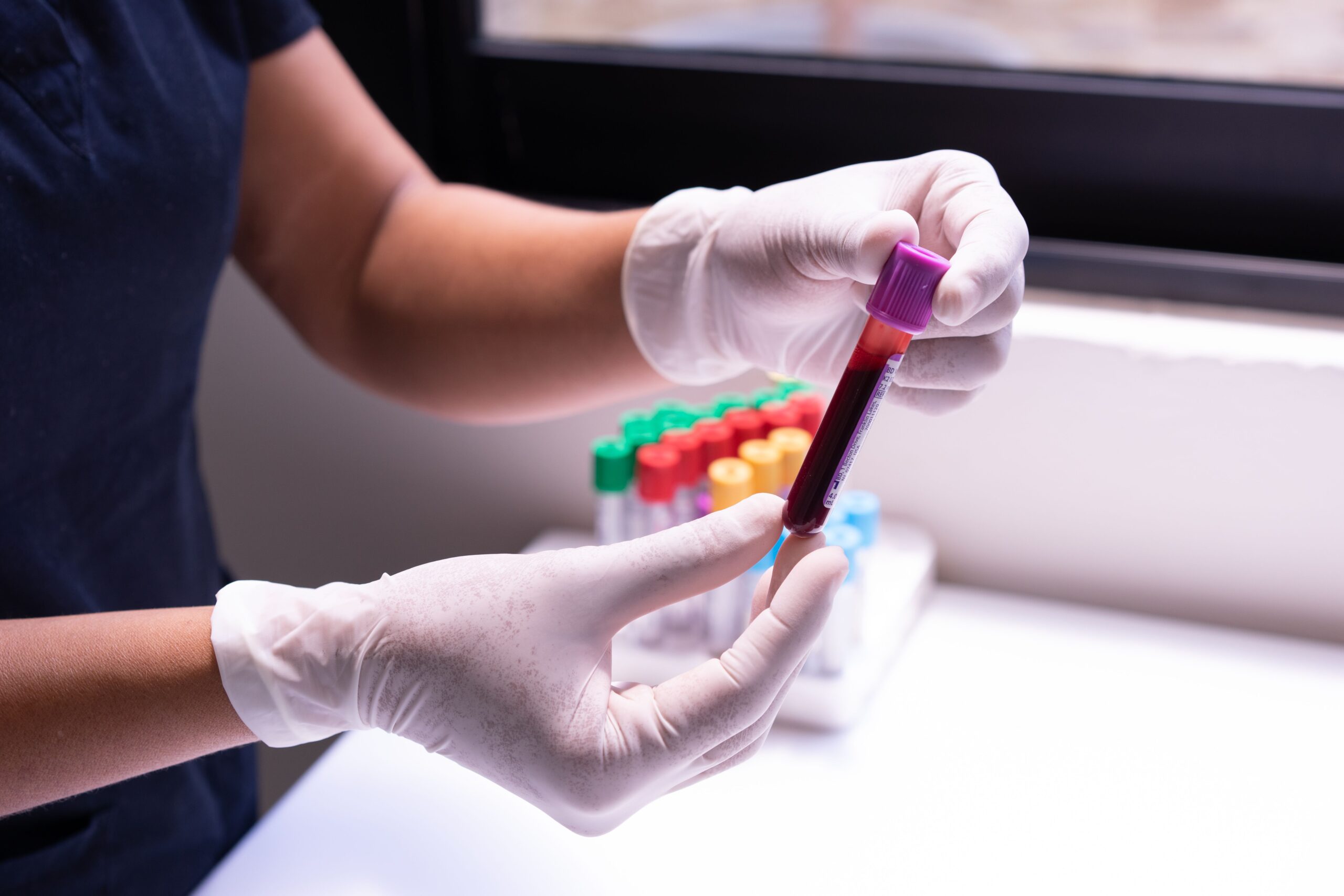
Although existing blood tests can help detect liver cancer, they cannot reliably establish the stage of MASH. Moreover, MRE is largely available only at specialised centres and in clinical trials. LiquidTransformer could help address this diagnostic gap by assessing liver health through a routine blood sample.
Test Identifies Different Types of Fatty Liver Disease
Researchers working with Hepta and Madrigal Pharmaceuticals evaluated the test’s ability to identify liver damage and determine which patients were eligible for MASH treatment.
The technology also distinguished between three forms of steatotic liver disease:
- MASLD: Metabolic dysfunction-associated steatotic liver disease, driven by metabolic dysfunction.
- ALD: Alcohol-associated liver disease, linked to alcohol consumption.
- MetALD: A condition involving both metabolic dysfunction and alcohol-related factors.
Additionally, the test detected molecular changes in patients receiving semaglutide, a GLP-1 medication known for its benefits in weight management and liver health.
Results Show Promising Diagnostic Accuracy
Across six separate presentations at the AASLD meeting, LiquidTransformer demonstrated accuracy close to MRE and outperformed other second-line diagnostic alternatives, including vibration-controlled transient elastography and the enhanced liver fibrosis (ELF) blood test.
Researchers also highlighted its potential to identify patients eligible for MASH treatment, addressing an important gap in disease diagnosis and treatment decisions. The findings suggest that LiquidTransformer could improve access to liver disease assessment through routine blood testing, potentially reducing dependence on specialised imaging and invasive procedures.
As reported by ET Healthworld, the experimental LiquidTransformer blood test has demonstrated diagnostic accuracy comparable to magnetic resonance elastography, offering a promising approach to identifying and staging chronic liver disease.