






















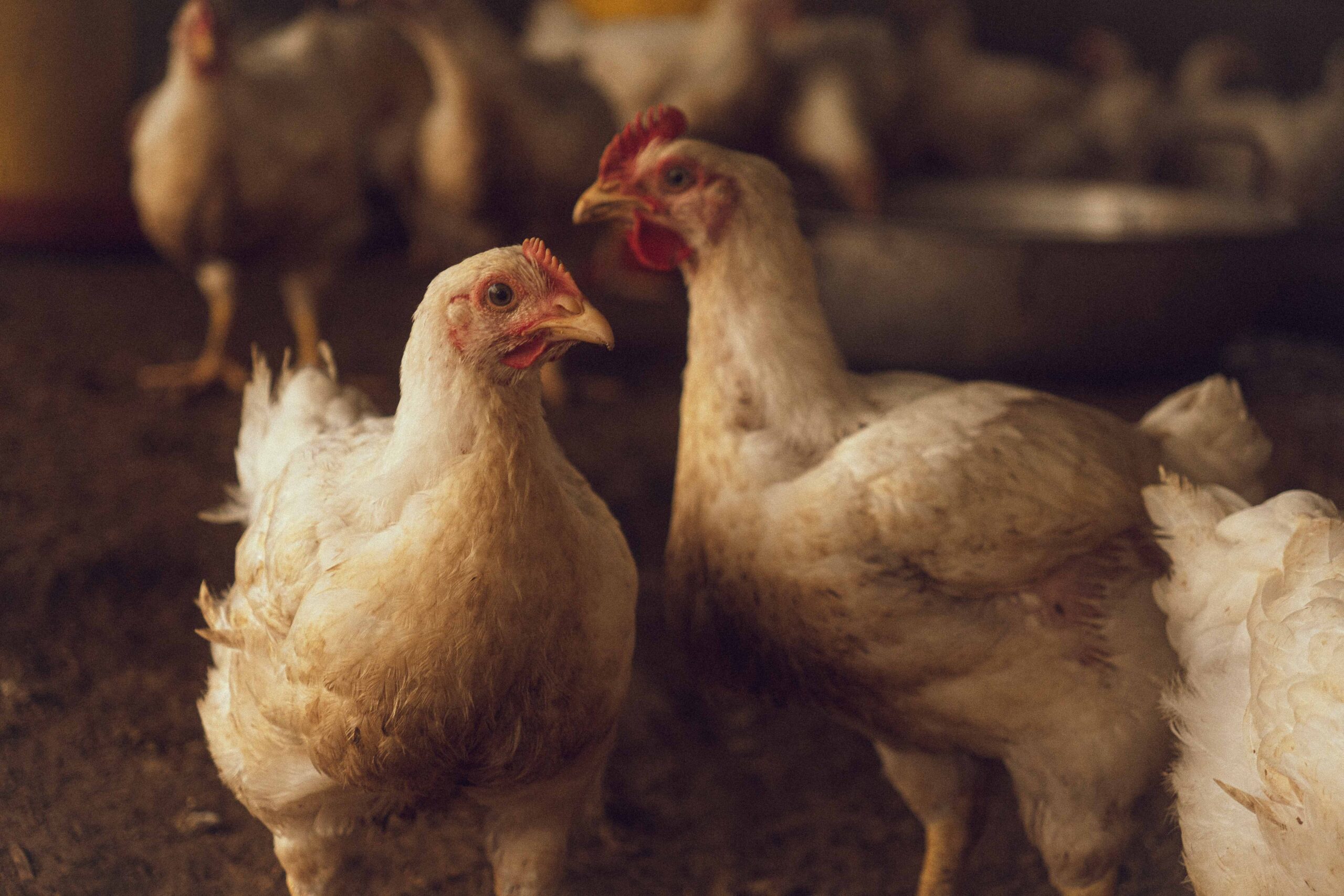
Could artificial intelligence help scientists develop a vaccine that protects against multiple bird flu variants, including those that may emerge in the future? Researchers at the University of Cambridge have developed a new AI-designed vaccine that targets a broad range of bird flu strains, potentially strengthening preparedness for future outbreaks and pandemics.
AI Helps Design a Broad-Spectrum Bird Flu Vaccine
Unlike conventional vaccines that target individual virus strains, the new vaccine is designed to provide protection against multiple genetically distinct variants of bird flu through a single shot. Led by Jonathan Heeney from the University of Cambridge’s Laboratory of Viral Zoonotics, the research aims to anticipate viral evolution rather than respond to emerging variants after they appear.
According to the researchers, this next-generation vaccine could help address a major challenge in pandemic preparedness: the ability of rapidly evolving viruses to develop new variants and potentially evade existing immune protection.
How Did Researchers Use AI to Develop the Vaccine?
To design the vaccine, researchers analysed genetic sequence data from bird flu viruses collected through global surveillance programmes. These included samples from wildlife, livestock and infected humans.
Using computational and evolutionary algorithms, the team developed five AI-optimised synthetic antigens representing the genetic diversity of bird flu viruses worldwide. These antigens are designed to trigger immune responses against a wider range of viral variants while reducing the possibility of the virus escaping immune protection.
AI also accelerated the vaccine-design process, allowing researchers to identify promising candidates for further laboratory testing.
Vaccine Shows Promising Results in Animal Studies
A study published in Cell Reports Medicine reported encouraging results in preclinical experiments involving mice and ferrets. The AI-designed vaccine provided complete protection against several genetically distinct bird flu variants that have caused human infections and pose potential pandemic threats. In comparison, only 50% of animals survived exposure to the same viruses after receiving the World Health Organization’s existing bird flu vaccine candidate used in the study.
These findings suggest that the new vaccine could offer broader protection than conventional strain-specific candidates. However, further research is necessary to establish its safety and effectiveness in humans.
Potential to Strengthen Future Pandemic Preparedness
Bird flu, like other RNA viruses, can mutate rapidly and develop new variants. Some strains can also cross the species barrier, spreading from infected animals to humans and creating potential public health threats.
Currently, pandemic preparedness largely depends on stockpiling vaccines against individual virus variants that have already emerged. However, a broad-spectrum approach could help health authorities prepare for a wider range of potential threats rather than continually updating vaccines in response to new strains. The researchers believe this approach could strengthen national biosecurity and support more resilient public health systems.
Human Clinical Trials Are the Next Step
The next stage involves testing the AI-designed bird flu vaccine in human clinical trials to evaluate its safety and effectiveness. Researchers also aim to extend this vaccine-design framework to seasonal influenza and other rapidly evolving RNA viruses.
Developed by the University of Cambridge in collaboration with its company DIOSynVax Ltd, the vaccine represents a promising step towards designing vaccines that can protect against a broad range of viral variants. As reported by euronews.com, the research highlights the potential of artificial intelligence to accelerate vaccine development and improve preparedness against emerging infectious diseases and future pandemics.