


















Doctors at Yashoda Hospitals, Malakpet, Hyderabad, successfully managed a complex high-risk pregnancy in a woman in her late 30s with multiple underlying health conditions, including childhood-onset polio, severe spinal curvature (kyphoscoliosis), restrictive lung disease and moderate pulmonary hypertension. These conditions posed significant risks to both mother and baby, requiring coordinated specialist care, careful delivery planning and close monitoring.
Multiple Health Conditions Increase Pregnancy Risks
Pregnancy places additional demands on the heart and lungs as the body works to support the developing baby. For women with restrictive lung disease, limited chest expansion can make breathing increasingly difficult as pregnancy progresses. In this case, the combination of severe kyphoscoliosis, impaired lung function and pulmonary hypertension increased the risk of serious respiratory complications. These included type II respiratory failure, in which the body cannot remove enough carbon dioxide from the blood. Given the complexity of the case, the medical team developed an individualised management plan to minimise risks and determine the safest approach to delivery.
Multidisciplinary Team Plans a Safe Delivery
At approximately 34 weeks of pregnancy, the patient was admitted to Yashoda Hospitals with breathlessness. Recognising the potential for complications, specialists from obstetrics, pulmonology, cardiology, anaesthesiology and neonatology worked together to assess her condition and coordinate treatment. The patient received non-invasive respiratory support and intensive care monitoring to stabilise her breathing. Following a comprehensive pre-anaesthetic assessment, the team performed a planned caesarean section under regional anaesthesia. This approach helped avoid the additional respiratory risks associated with general anaesthesia in a patient with compromised lung function.
Neonatal ICU Care Supports Premature Baby’s Recovery
The baby was born late preterm and had a low birth weight. Following delivery, the newborn developed respiratory distress syndrome and was transferred to the neonatal intensive care unit (NICU) for specialised treatment. The neonatal team initiated non-invasive continuous positive airway pressure (CPAP) to support breathing. As the baby’s respiratory condition improved, the team gradually reduced the support. The baby subsequently maintained oxygen levels without respiratory assistance. After stabilisation, both mother and baby were discharged in stable condition with a follow-up plan that included home oxygen, nighttime breathing support and continued specialist care.
Doctors Highlight the Importance of Early Pregnancy Planning
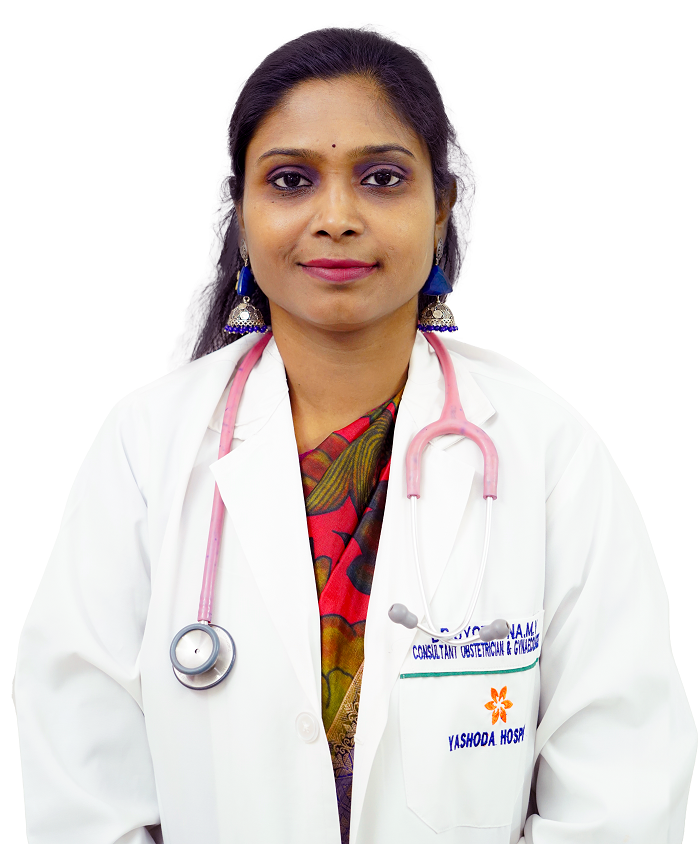
Dr. Jyothsna M V, Consultant Obstetrician and Gynaecologist at Yashoda Hospitals, Hyderabad, emphasised the importance of specialist supervision for women with chronic spinal and respiratory conditions. “Women with long-standing spine and lung conditions can and do become pregnant, but they need specialist attention well before delivery,” she said. “Early involvement of the lung and cardiology teams, careful timing of delivery, and the right choice of anaesthesia can reduce risks for both mother and baby. Pregnancy planning and regular antenatal review matter greatly in such situations,” informed Dr. Jyothsna.
Dr. Satyapriya Sahoo, Consultant Neonatologist and Paediatrician at Yashoda Hospitals, Hyderabad, highlighted the importance of prompt neonatal intervention and continued monitoring. “Babies born even a few weeks early may need breathing support. When the neonatal team is present at delivery and treatment starts quickly, many babies improve in a matter of days. Follow-up after discharge, including growth, hearing, eye and developmental checks, remains very important for every preterm baby,” he added.
Follow-Up Care Remains Essential After Discharge
This case highlights the importance of coordinated specialist care for women with chronic lung, heart or spinal conditions who are planning a pregnancy or already expecting. Early consultation allows doctors to assess potential risks, optimise existing health conditions and prepare an appropriate delivery plan. In addition, regular antenatal visits help identify complications promptly. Women experiencing breathlessness during pregnancy should seek medical assessment rather than assume it is a normal pregnancy symptom. For babies born prematurely, care must also continue beyond hospital discharge. Regular monitoring of growth, hearing, vision and developmental milestones helps identify potential concerns and supports healthy development. As per the press release, with early planning, multidisciplinary expertise and appropriate follow-up, healthcare teams can better manage complex pregnancies and support safer outcomes for both mother and baby.