






















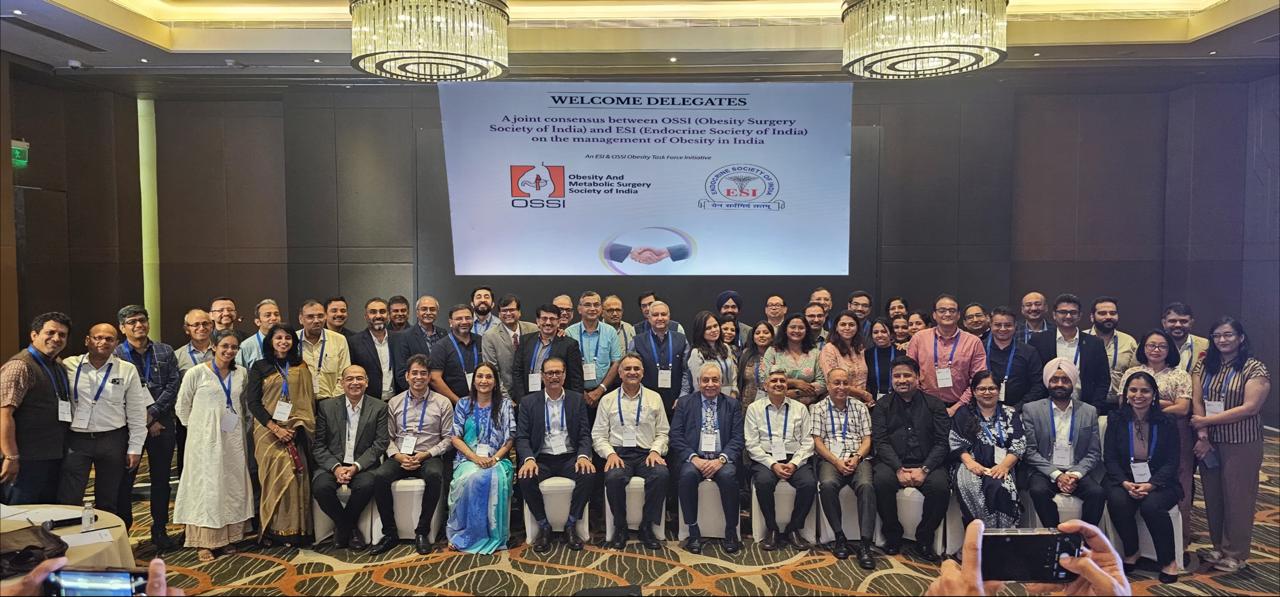
The first joint OSSI–ESI consensus brings together 78 experts and 55 recommendations for personalised, stigma-free obesity care in India.
Indian experts have called for a fundamental shift in obesity care, stressing that obesity is a chronic disease and not a failure of willpower.
The Obesity and Metabolic Surgery Society of India (OSSI) and the Endocrine Society of India (ESI) have jointly developed the Expert Consensus on Obesity Management Protocols. Published in Obesity Surgery on August 3, 2026, it includes 55 recommendations covering prevention, diagnosis, lifestyle interventions, medications, metabolic and bariatric surgery and long-term care.
Moving Beyond Blame and BMI
The consensus highlights that obesity results from complex genetic, metabolic, endocrine, environmental, psychological and socioeconomic factors. Therefore, experts have urged a compassionate, evidence-based approach.
As per the press release, BMI or body weight alone should not guide treatment. Since Indians often develop metabolic complications at lower BMI levels, doctors should also assess diabetes, fatty liver disease, sleep apnoea, cardiovascular risk and overall health.
Personalised Treatment
While healthy eating and physical activity remain essential, treatment should be based on individual needs and disease severity. Options may include psychological support, obesity medications, endoscopic therapies and metabolic or bariatric surgery.
The experts also emphasised that obesity treatment should be timely, as the condition is progressive and can lead to serious complications.
Promoting Stigma-Free Care
The consensus calls for stigma-free care, equitable access to treatment and greater integration of obesity management into national health programmes. Overall, it aims to provide doctors and policymakers with an India-specific framework focused on improving health and quality of life—not merely reducing body weight.